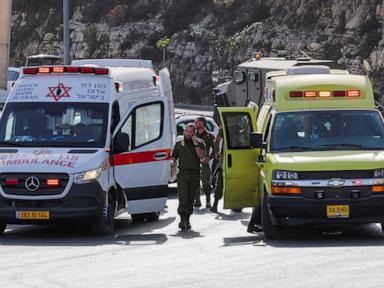
Prime Minister Benjamin Netanyahu ordered a closure of the West Bank after security agencies reported a thwarted potential major attack, freezing movement across checkpoints and altering daily life for millions of residents. The headline sounds routine enough to anyone who has covered this beat for thirty years. It is not. A West Bank closure triggered by a preemptive security warning is rarely just a tactical pause to sweep roads or hunt a cell; it is an instrument of pressure, a signal to domestic coalitions, a test of diplomatic tolerance, and a blunt economic shock that lands hardest on people who have no seat in the war room.
When a security establishment announces that a major attack was stopped before it happened, the public is almost always invited to admire the intelligence and ask no awkward questions about the aftermath. Experienced reporters know better. Thwarted plots are real, and intelligence services earn their keep in the quiet hours before a bomb detonates or a gunman reaches a crowded street. Yet the moment a leadership converts a warning into a sweeping lockdown, the story shifts from covert tradecraft to overt governance. If you liked this post, you might want to look at: this related article.
What an Intelligence Warning Actually Triggers on the Ground
A closure rarely begins with a dramatic speech. It starts in a cramped situation room where signals intelligence, human sources, detainee interrogations, and surveillance feeds are stacked against a calendar. Analysts look for patterns that look less like isolated anger and more like coordination, transport, or external backing.
If the threat assessment crosses a certain threshold, military closures become the default reflex. Checkpoints tighten, secondary routes are blocked, permits are frozen, and brigades adjust deployments along highways that serve both commuters and patrols. To an outsider reading a wire summary, it looks like a neat cork placed in a bottle. For another look on this story, see the recent coverage from The Washington Post.
On the ground, corks behave badly. A road shut at dawn does not separate "the threat" from normal life with surgical precision. It traps nurses trying to reach a clinic, delivery drivers hauling perishable food, students heading to university, and laborers who depend on daily wages to buy bread that evening.
Consider a hypothetical example to see how friction compounds. Suppose a regional commander receives word of a suspect moving between two towns near a major junction. Blocking the main artery forces dozens of small vehicles onto narrow rural tracks, creating bottlenecks that slow ambulances while keeping patrols stretched across dozens of points rather than focused on one verified lead.
Security officials measure success by what does not happen. Residents measure it by whether they can get to work, a hospital, or home before nightfall.
That gap in perception is old, and it is widening. Every time a security lockdown is imposed after a foiled plot, officials stress that restraint and precaution saved lives. Every time it drags on or repeats without visible arrests tied directly to the alleged plot, skepticism hardens among Palestinians who see collective restriction and among Israelis who wonder whether broad closures substitute for sharper intelligence work.
The Domestic Math Behind a Sweeping Lockdown
No Israeli prime minister makes a move affecting the West Bank in a political vacuum. Even when generals present a purely operational recommendation, political leaders weigh how that decision reads at home. A closure projects decisiveness. It tells an anxious public that the government is not waiting for tragedy to strike first.
Coalition politics add another layer of weight. Ministers from right-wing factions frequently press for aggressive security measures, expanded checkpoints, and uncompromising deterrence whenever warnings spike. Ordering a West Bank closure satisfies the demand for visible action without immediately triggering a full-scale military escalation that could draw broader international condemnation or strain reserve forces.
At the same time, domestic pressure cuts in more than one direction. Business owners, agricultural exporters, and industrialists who rely on cross-border trade and Palestinian labor feel the drag almost immediately. A prolonged freeze might look tough on a television ticker, yet it can irritate pragmatic constituencies that care deeply about economic stability and predictability.
There is also a quieter institutional dynamic at play. When intelligence agencies warn of a serious plot, passing up a recommended restriction carries heavy career and political risk for decision-makers. If nothing happens after a closure is ordered, critics might complain about overreaction; if a major attack occurs after a warning was brushed aside, investigations and political ruin follow. Precaution has a built-in bias toward action.
Economic Fallout That Outlasts the Checkpoints
Military officials can lift a roadblock in an afternoon. The economic bruise takes months to fade.
A West Bank closure acts like a sudden tariff and supply-chain shock rolled into one. Goods sit idle at crossings. Raw materials do not arrive on schedule. Contractors miss deadlines, small wholesalers default on credit lines, and households living paycheck to paycheck lose whatever thin cushion they had left.
| Sector | Immediate Shock | Medium-Term Consequence |
|---|---|---|
| Daily Labor & Commutes | Frozen permits and delayed transit | Lost household income and rising arrears |
| Commerce & Freight | Stalled trucks and higher transport costs | Price spikes and spoiled perishable inventory |
| Healthcare & Services | Slower patient and staff movement | Deferred treatments and administrative backlog |
| Local Security & Policing | Frustration and friction at checkpoints | Heightened tension and recruitment of grievances |
Economists who study conflict zones have pointed out for decades that movement restrictions distort incentives in ways that linger long after gates reopen. When legitimate trade becomes unpredictable, informal or illicit channels often look more attractive out of sheer desperation. Economic desperation does not automatically create militants, yet it erodes the ordinary stakes people have in calm routines.
Israeli businesses are not insulated from these ripples either. Construction firms, factories, and service providers that depend on predictable access or regional trade face higher costs and scheduling chaos. Short closures are an annoyance; recurring closures become a structural tax on the entire local economy.
Why Deterrence Is a Blunt Instrument
Supporters of strict closures argue a straightforward case. If you deny operatives freedom of movement, disrupt logistics, and signal zero tolerance after a thwarted plot, you raise the cost of planning an attack. When lives are on the line, they contend, civil convenience and short-term economic comfort must take second place.
That argument has real weight when a specific, credible cell is on the move. Stopping a vehicle at a checkpoint or sealing a corridor while special units raid a safe house can genuinely disrupt an active operation. Nobody serious denies that physical interdiction has a place in counterterrorism.
The trouble starts when a short tactical measure turns into a broad, open-ended habit. Over-reliance on deterrence through blanket restriction carries diminishing returns. If residents experience sweeping closures repeatedly, the psychological shock fades and gives way to resentment, fatigue, and a sense that compliance brings no relief.
There is an operational cost too. Manning dozens of closure points eats up manpower, fuel, and attention. Troops standing at static barriers or clearing traffic jams are not conducting targeted intelligence-driven operations elsewhere. A broad net catches plenty of ordinary people and can still let nimble actors slip around the edges.
What International Partners Watch Next
A West Bank closure never stays purely local for long. Diplomats in Washington, European capitals, and neighboring Arab states read movement restrictions as a barometer of broader intentions. Even when a closure is framed strictly around a foiled attack, foreign envoys look at duration, humanitarian access, and tone.
Brief, targeted restrictions tied clearly to an active security threat draw one reaction. Prolonged or sweeping lockdowns that squeeze livelihoods or stall medical and commercial movement draw sharp pushback, complicating diplomatic maneuvering on regional security, aid, and normalization tracks.
Leaders in Jerusalem know this balancing act well. Projecting strength at home while managing friction abroad is a perennial tightrope. Every extra day a closure remains in place shifts the ledger between domestic reassurance and external pressure.
Looking Past the Press Release
Official statements about a thwarted attack and a resulting West Bank closure are designed to be clean, authoritative, and reassuring. Real life in the West Bank is messy, layered, and unforgiving of neat narratives.
To understand what a closure truly achieves, watch what happens after the initial headlines fade. Look at how quickly targeted arrests or operational updates follow the broad restrictions. Watch whether movement eases once the immediate threat is contained or lingers as routine leverage.
Above all, pay attention to the quiet ledger kept by families on both sides of the checkpoints. Security measures can buy time, and time can save lives, yet time spent in economic stagnation and deepening alienation is never neutral. Watch the checkpoints when they reopen, not just when they close, because that is where the real test of strategy begins.