When a group of radical Israeli settlers blockaded a cluster of homes in the West Bank village of Qusra, they likely expected the usual quiet acquiescence from local authorities. Among the trapped families was a Palestinian-American household cut off from water, food, and basic movement for days. But this time, the calculation fractured. The resulting standoff triggered an explosive diplomatic clash and forced the United States embassy to publicly label the actions of the mob as domestic terrorism.
For years, the mechanics of occupation in the West Bank have followed a grim, predictable rhythm. Settler expansion creeps forward through unauthorized outposts, local Palestinian communities experience systematic harassment, and state security forces look away or provide logistical cover. Yet, the siege of the Qusra properties crossed a threshold that exposed deep structural fractures between Washington's diplomatic redlines and the realities on the ground.
The Anatomy of a Mobs Siege
The operation in Qusra did not materialize out of a vacuum. It was the culmination of months of sustained pressure. Settlers had systematically targeted the property owned by Loui Ridi and his relatives, cutting exterior utility lines and throwing stones to render the residence uninhabitable long before the final blockade locked the doors.
When the situation escalated into a full-scale physical enclosure, the inhabitants found themselves completely trapped. Ridi, speaking by phone from Ohio where he resides part of the year, described his family members and teenage relatives as hostages in their own home. Food supplies dwindled to zero. Water access was entirely severed.
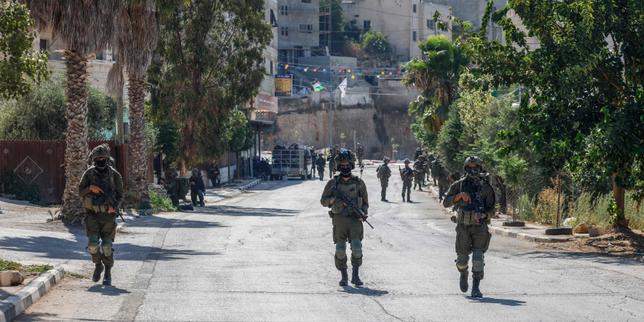
Local leadership watched helplessly as the perimeter hardened. The Israel Defense Forces eventually declared the surrounding terrain a closed military zone and condemned the actions as reprehensible, yet the mob continued to return, throwing rocks and blocking access roads even after initial troop deployments.
The Diplomatic Fallout in Jerusalem
The intervention of United States Ambassador Mike Huckabee shifted the narrative terrain entirely. Historically one of the most prominent defenders of the Israeli settlement movement, Huckabee's public response was uncompromising. Faced with mounting local criticism accusing the embassy of indifference, the ambassador pushed back hard, noting that diplomatic pressure directly forced the deployment of additional military and police units to clear the area.
"Actions by those who carried out this horrific act of terror meant to intimidate and harass this family are disgusting," Huckabee stated publicly, dismissing the perpetrators as thugs.
This linguistic shift matters. When a staunch ideological ally of the settlement enterprise uses terms like terror and criminal to describe actions inside the occupied territories, it signals a widening chasm between international capitals and the ultra-nationalist factions driving facts on the ground. It highlights a growing anxiety among foreign diplomats that unchecked extremist violence is destabilizing the entire region beyond acceptable diplomatic thresholds.
The Broader Machinery of Displacement
What happened in Qusra is an extreme manifestation of a broader, systemic trend documented by human rights monitors across the territory. According to data compiled by organizations like B'Tselem and United Nations agencies, settler attacks have accelerated sharply, driving dozens of small Palestinian farming and herding communities off their land entirely.
The methodology is rarely random. It operates through a persistent cycle of intimidation, economic strangulation, and physical exclusion, culminating in situations where remaining in ancestral homes becomes physically impossible. While the Israeli government frequently characterizes these episodes as the work of a fringe element operating outside the law, critics and local observers argue that the institutional response tells a different story. Security forces often arrive late, manage the aftermath rather than prevent the escalation, and leave communities vulnerable to renewed incursions once the media spotlight fades.
In Qusra, the military eventually dismantled nearby unauthorized outposts and detained individuals following intense diplomatic pressure. However, the core dilemma remains unresolved. Families forced to evacuate have not safely returned to permanent stability, and the structural incentives driving radical expansion continue to operate unchecked. The rare intervention by Washington exposed the fragility of the status quo, proving that even the staunchest defenders of Israeli policy find themselves cornered when the violence becomes too blatant to ignore.