Most diplomatic trackers reduce Xi Jinping’s October 2026 schedule to a sterile spreadsheet of handshakes, state banquets, and boilerplate readouts. In reality, October 2026 marked a deliberate, high-stakes pivot in Beijing’s foreign policy—one designed to insulate China’s slowing domestic economy from Western tariffs while locking in critical mineral supply chains and regional security buffers across the Global South and Eurasia. Rather than merely hosting routine bilateral visits, Xi used the autumn diplomatic calendar, anchored by the BRICS summit cycle and targeted state visits to Beijing, to build parallel trade and payment architectures that bypass Washington and Brussels entirely.
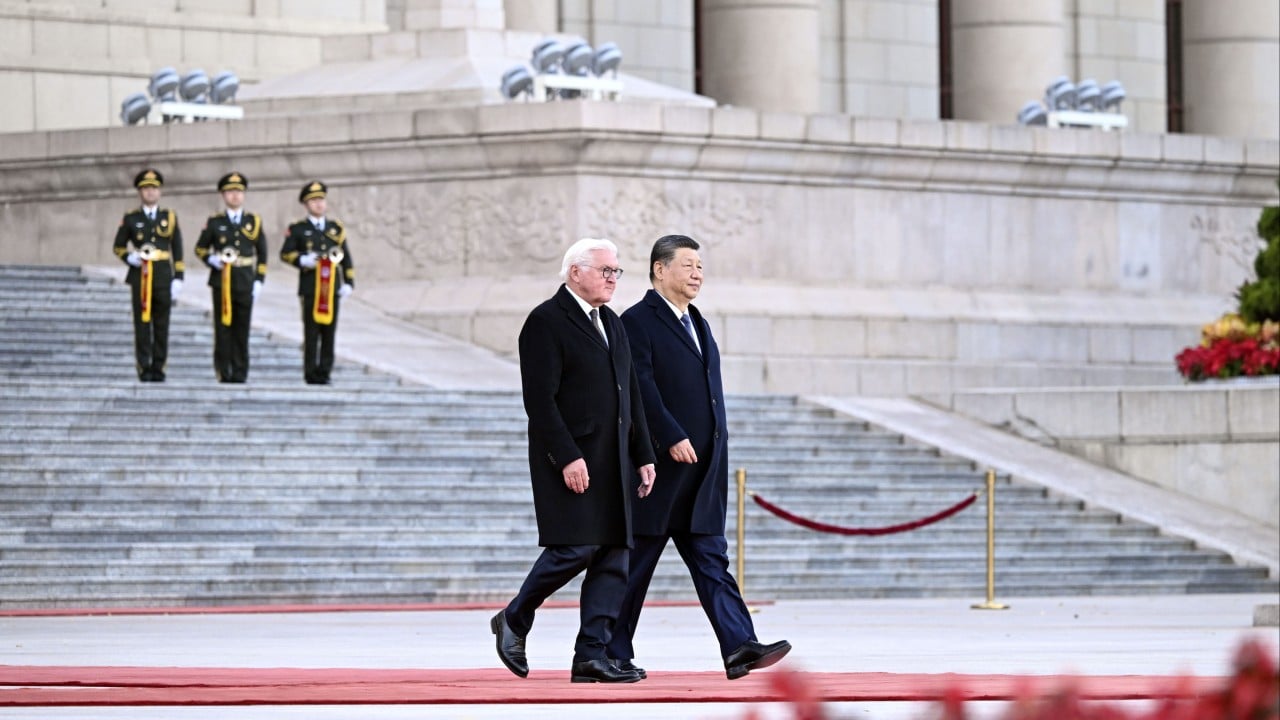
Standard diplomatic logs count faces. They tell you who walked down the red carpet at the Great Hall of the People, what agreements were signed, and which phrases made it into the Xinhua readout. What they fail to capture is the operational mechanics behind the choreography. When you spend decades covering Zhongnanhai, you learn that Beijing never schedules an autumn diplomatic blitz by accident. October sits right between the summer Beidaihe leadership retreat and the year-end Central Economic Work Conference. Every foreign leader invited to Beijing—or met on the sidelines of multilateral summits during this window—represents a specific solution to a domestic bottleneck inside the Chinese economy. You might also find this connected coverage interesting: The Man Who Must Speak Last.
The Architecture Behind the October Handshakes
To understand Xi Jinping’s meetings with foreign leaders in October 2026, you have to look at China’s balance sheet first and its diplomatic cables second. Throughout 2026, Beijing faced compounding pressure from second-wave tariffs on electric vehicles, green tech, and legacy semiconductors across North America and Europe. Domestic consumption remained stubbornly sluggish, weighed down by the prolonged structural adjustment in the property sector.
Diplomacy became the pressure valve. As discussed in recent articles by Associated Press, the effects are significant.
Each bilateral sit-down in October followed a strict transactional logic. Beijing wasn't looking for ideological allies or ceremonial praise. It was looking for three concrete deliverables: off-take agreements for Chinese industrial overcapacity, direct access to upstream critical minerals without Western intermediaries, and political backing for alternative cross-border settlement mechanisms.
When mid-sized economies from Southeast Asia, Central Asia, and Latin America sent delegations to Beijing in October, the public readouts emphasized "win-win cooperation" and "shared prosperity." Behind closed doors, the negotiations were far more granular. Chinese state-owned enterprises and policy banks were structured directly into the diplomatic entourages. A meeting with a visiting prime minister wasn't just a political courtesy; it was the final sign-off on sovereign-backed infrastructure-for-minerals swaps and local-currency swap lines designed to reduce dollar exposure.
Decoding the Guest List and Multilateral Chessboard
A standard tracker lists meetings chronologically. That misses the hierarchy. In Beijing’s diplomatic protocol, the sequence, venue, and accompanying officials reveal far more than the joint statement.
The Eurasia and BRICS Axis
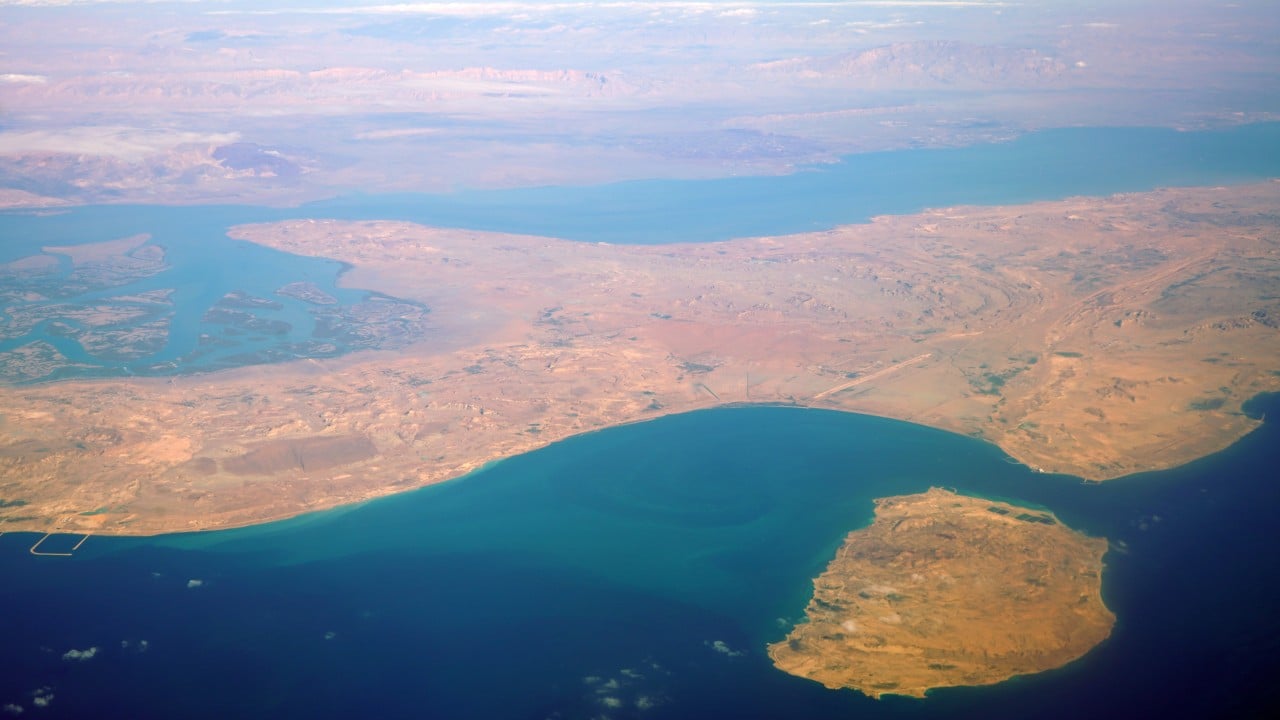
October’s diplomatic calendar revolved heavily around the expanded BRICS framework and bilateral consultations with Eurasian partners. Meetings with Russian, Central Asian, and Middle Eastern counterparts focused relentlessly on de-risking logistics corridors. With maritime chokepoints under persistent geopolitical strain and Western sanctions compliance tightening around secondary financial institutions, Beijing prioritized overland rail links, Caspian transit routes, and sovereign payment gateways.
Notice who sat at Xi’s right hand during these sessions. Alongside Foreign Minister Wang Yi and Cai Qi, economic and financial technocrats held prominent seats. That seating chart alone tells you the conversations had moved past broad geopolitical alignment and into the gritty engineering of cross-border clearing houses and customs harmonization.
The Global South Industrial Play
Another cluster of October meetings targeted resource-rich nations across Africa, Southeast Asia, and South America. Here, Beijing’s pitch evolved significantly from the early Belt and Road era. Gone are the massive, debt-heavy mega-projects that drew international backlash a decade ago. In their place, Xi pushed what Beijing calls "small and beautiful" projects paired with localized industrial parks.
Consider how this works in practice. Rather than simply extracting raw lithium, copper, or nickel and shipping it back to Guangdong, Chinese firms—backed by state policy assurances finalized during these October summits—agreed to build localized refining and battery-assembly plants inside the host countries. It solves two problems at once. Host governments get domestic value-addition and jobs, while Chinese manufacturers bypass Western origin-based tariffs by exporting finished goods from third countries.
Managing the Western Perimeter
Even as Beijing doubled down on the Global South, Xi’s October schedule included calibrated engagements with European and regional US allies. These meetings served a different purpose: wedge diplomacy. By offering targeted market access, visa-free transit extensions, or specific agricultural import quotas to individual European nations, Beijing sought to prevent a unified transatlantic trade front. The message delivered across the polished tables of the Diaoyutai State Guesthouse was blunt—aligning with Washington’s export controls carries an immediate commercial price in the Chinese market.
Why Conventional Trackers Misread Beijing’s Signals
If you rely solely on official readouts to track Xi Jinping’s foreign engagements, you will consistently misjudge Beijing’s intentions. Official Chinese diplomatic language operates like a closed code. Phrases that sound like empty platitudes to Western ears actually signal precise shifts in policy posture.
| Official Readout Phrase | Conventional Interpretation | Actual Operational Meaning |
|---|---|---|
| "High-quality Belt and Road cooperation" | Continued infrastructure lending | Shift away from sovereign loans toward equity investments, green tech exports, and local-currency financing |
| "Safeguarding global supply chain stability" | Support for free trade | Pushback against US-led export controls and nearshoring initiatives; securing exemptions for Chinese inputs |
| "Synergizing development strategies" | General diplomatic alignment | Binding a partner nation's multi-year industrial plan to Chinese technical standards and telecom infrastructure |
| "Promoting a multipolar world" | Anti-Western rhetoric | Active construction of parallel institutions (BRICS+, SCO) to dilute G7 regulatory and financial dominance |
The mistake most analysts make is treating these meetings as isolated bilateral events. They aren't. They are nodes in a single, integrated supply-chain and security network. When Xi meets a Central Asian leader on Tuesday to discuss rail gauge standardization and a Southeast Asian leader on Thursday to discuss digital customs clearance, both meetings serve the exact same strategic objective: creating a frictionless, sanction-proof Eurasian-Pacific trading bloc centered on Chinese manufacturing.
The Domestic Drivers Nobody Talks About
Foreign policy is always an extension of domestic politics, and nowhere is that truer than in Beijing. To understand the urgency behind Xi’s October 2026 schedule, you have to look at the internal pressures facing the Chinese Communist Party.
China’s growth model is mid-transition. Beijing is actively trying to pivot away from debt-fueled real estate and infrastructure toward what Xi terms "new quality productive forces"—electric vehicles, lithium batteries, solar panels, advanced robotics, and commercial aviation. The problem is math. China’s domestic market cannot absorb the sheer volume of industrial output its factories are generating, and Western markets are throwing up tariff walls to block it.
External demand isn't optional; it is an existential requirement for maintaining domestic employment and social stability.
Every foreign leader who walked into the Great Hall of the People in October 2026 was, in effect, being pitched as a customer or a transit hub for China’s industrial transition. When Xi personally hosts a head of state from a developing economy, it sends an unmistakable signal to Chinese state banks, insurers, and provincial governors: this country is open for business, and capital deployment there carries political protection from the top.
There is also a distinct security dimension that rarely makes the headlines of standard trackers. Alongside trade deals, October’s engagements quietly expanded Beijing’s Global Security Initiative (GSI). While Western media focuses on naval standoffs in the South China Sea, Beijing has been steadily signing police training agreements, intelligence-sharing protocols, and surveillance tech contracts with visiting delegations. Protecting overseas Chinese investments and nationals—especially in volatile regions where Chinese mining and infrastructure assets are concentrated—has become a primary driver of Xi’s diplomatic outreach.
Where Beijing’s Diplomatic Offensive Hits a Wall
It is easy to look at a packed October calendar and conclude that Beijing is effortlessly rewriting the global order. That would be a mistake. Beneath the polished choreography, Xi’s diplomatic offensive faces severe structural constraints that official readouts never acknowledge.
First, there is the asymmetry problem. Almost every bilateral trade relationship Beijing expanded in October 2026 heavily favors Chinese exports. Developing nations welcome Chinese investment, but their domestic manufacturers are increasingly alarmed by the flood of cheap Chinese goods undercutting local industries. Throughout 2026, countries like Brazil, Indonesia, and Turkey—the very nations Beijing courts as partners in a multipolar world—quietly imposed their own tariffs and anti-dumping duties on Chinese steel, textiles, and e-commerce imports. Handshakes in Beijing do not erase trade deficits in Jakarta or Brasília.
Second, financial capacity is tightening. China’s policy banks are no longer writing blank checks. With local government debt weighing heavily on domestic balance sheets, Beijing is far more selective about where it deploys overseas capital. Visiting leaders expecting the lavish, no-strings-attached financing of the 2010s frequently left October meetings with smaller, stricter commercial loan packages that require rigorous collateral and guaranteed returns.
Third, secondary sanctions remain a potent deterrent. While foreign leaders happily sign joint statements praising local-currency settlement in Beijing, their central banks and commercial lenders remain deeply cautious. Few financial institutions in Asia, Latin America, or the Middle East are willing to risk losing access to the US dollar clearing system just to facilitate cross-border yuan transactions for Chinese state firms. Rhetoric moves fast in diplomatic summits; compliance departments at major banks move slowly.
How to Actually Read the Next Diplomatic Cycle
Tracking Xi Jinping’s foreign engagements requires ignoring the press releases and following the money, the logistics, and the personnel. When the next wave of state visits and multilateral summits rolls around, skip the ceremonial summaries and look at three specific indicators.
Watch the composition of the Chinese delegation. If the head of the National Development and Reform Commission (NDRC) or the governor of the People’s Bank of China is in the room, real capital and industrial policy are on the table. If it is strictly Foreign Ministry officials, the meeting is largely performative.
Track the follow-on provincial delegations. In China’s system, a summit in Beijing only becomes real when provincial party secretaries from manufacturing powerhouses like Guangdong, Zhejiang, or Jiangsu fly to the partner country three weeks later with dozens of private and state factory owners in tow.
Finally, monitor customs data and shipping lanes six months after the handshake. Diplomatic trackers measure words; customs manifests measure reality. If a bilateral summit in October 2026 truly mattered, you won't find the proof in a Xinhua editorial—you will find it in container volumes, cross-border rail freight tonnage, and central bank currency swap drawdowns by the spring of 2027.