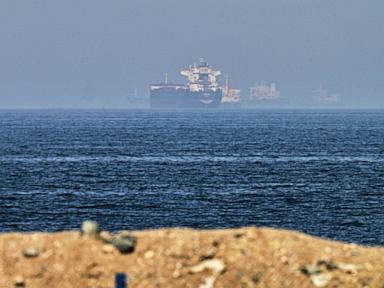
The coffee in the captain’s mug doesn't just sit there. It vibrates. On the bridge of a massive tanker slicing through the Strait of Hormuz, the liquid trembles in sympathy with the deep, thrumming pulse of engines that cost more than a small city’s annual budget. It is a quiet morning. The sun, a bloated orange coin, rises over the jagged cliffs of the Musandam Peninsula. But for the crew on deck, the beauty is a distraction. They are looking for small boats. They are listening for the crackle of a radio frequency that signifies their world is about to shrink to the size of a target.
News reports will tell you that the United Kingdom Maritime Trade Operations (UKMTO) received reports of attacks on two ships. They will give you coordinates. They might mention a drone or a boarding party. But they rarely mention the smell of salt mixed with diesel and fear, or the way a crewman’s hands shake when he realizes the horizon is no longer empty.
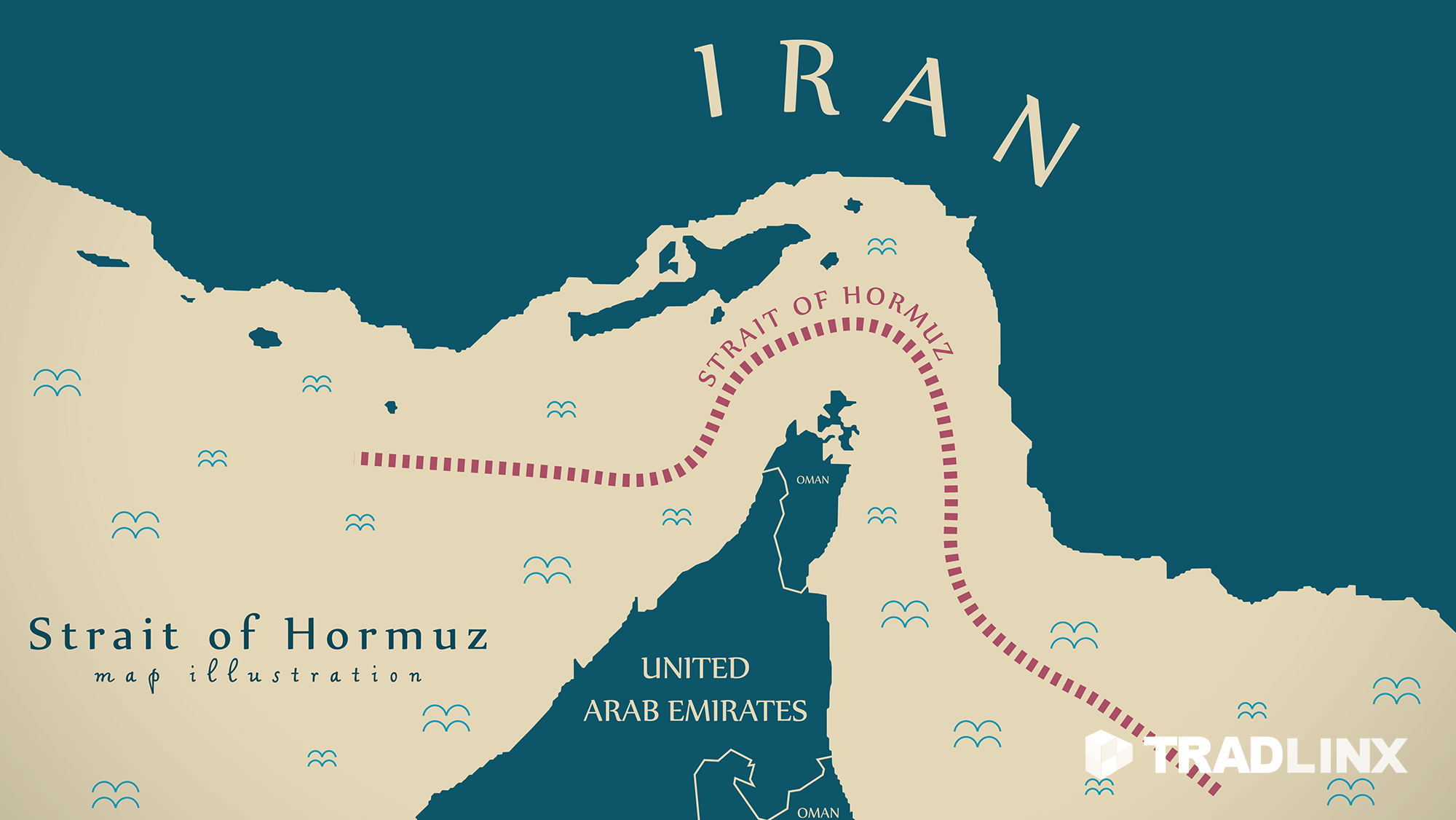
The Strait of Hormuz is a twenty-one-mile-wide throat through which the world breathes. If it constricts, the global economy gasps for air.
The Weight of Water
Imagine a hypothetical merchant mariner named Elias. He is forty-two, has three daughters in Manila, and hasn't touched dry land in four months. To Elias, the "geopolitical tension" of the Middle East isn't a headline in a Sunday paper. It is the sudden, sharp sound of an explosion echoing off the hull. It is the sight of a grey, unmarked vessel cutting across his bow.
When the UKMTO issues a warning, it ripples through the global nervous system. Insurance premiums for every vessel in the region spike within minutes. In London and New York, traders watch flickering screens as the price of crude oil ticks upward, cents at a time, eventually translating to dollars at a pump in Ohio or a heating bill in Berlin. We are all tethered to these ships by invisible, oily threads.
The reports of recent attacks aren't just isolated incidents of piracy. They are part of a long-standing shadow war, a high-stakes chess match where the pieces are steel giants and the board is one of the most volatile stretches of water on the planet. When a ship is harassed or hit, it isn't just about the cargo. It is a message sent from one government to another, written in fire and seawater.
The Mechanics of a Chokepoint
Why this specific stretch of blue?
The geography is a trap. To get from the oil-rich ports of the Persian Gulf to the open Arabian Sea, every vessel must pass through this narrow gateway. On one side lies Oman; on the other, Iran. It is a physical reality that defies diplomacy. You cannot move the land. You can only hope to manage the people who control it.
The math is staggering. Roughly a fifth of the world’s liquid petroleum gas and oil passes through this needle's eye every single day. If you stopped the flow, the world wouldn't just slow down; it would stumble.
Consider the "shadow fleet"—the tankers that sail without AIS (Automatic Identification System) tracking, moving sanctioned oil under the cover of darkness. They are the ghosts of the Strait. When "official" ships are attacked, these ghosts often watch from the periphery, knowing that any escalation could turn their lucrative, illegal trade into a frontline conflict.
The Human Silence
There is a specific kind of silence that happens on a ship under threat. It is the absence of the usual banter in the galley. It is the way the Chief Engineer stares at the bulkhead, mentally tracing the fuel lines, wondering if a single well-placed projectile could turn the engine room into a furnace.
We talk about "maritime security" as if it is a technological shield. We discuss drones, patrols, and naval escorts. But the reality is much more fragile. Security is the hope that the person on the other end of the radar hasn't been told to pull the trigger today. It is the fragile trust that international law—a set of rules written on paper—can stop a fast-attack craft made of fiberglass and spite.
The UKMTO serves as the nervous system for these sailors. It is the voice in the dark. When a report comes in, it is often brief: Vessel approached by two small craft. Shots fired. Vessel and crew safe. Those five words hide a thousand stories. They hide the adrenaline dump of a captain who had to decide whether to speed up or yield. They hide the panicked phone calls home that were never made because the satellite internet was cut during the encounter.
The Cost of Uncertainty
The real danger isn't just the physical damage to a hull. It is the erosion of certainty.
Business thrives on the predictable. It loves schedules and spreadsheets. But the Strait of Hormuz is the place where the spreadsheets fail. When the news breaks that two more ships have been targeted, the ripple effect moves faster than the tides.
Logistics managers begin looking for alternatives. They look at the Cape of Good Hope—a long, expensive detour around the bottom of Africa. They look at pipelines that are already at capacity. They realize there is no easy way out. We are stuck with the Strait. We are bound to its whims.
Think about the objects in your room right now. The plastic in your laptop, the synthetic fibers in your rug, the very fuel that delivered your groceries—there is a high statistical probability that some part of their history involves a quiet transit through these waters. You are a silent stakeholder in the safety of the Persian Gulf.
The Ghost in the Machine
The conflict here is rarely about the ships themselves. The ships are proxies. They are soft targets used to exert hard pressure.
In the most recent escalations, the tactics have shifted. We see the use of "suicide drones"—cheap, autonomous flyers that can cause outsized damage. It is a democratization of naval warfare. You no longer need a billion-dollar destroyer to hold a global superpower's economy hostage. You just need a workshop, some GPS components, and a reason to be angry.
This creates a terrifying asymmetry. A multi-million dollar cargo is at the mercy of a device that costs less than a used car. The crew, mostly men from developing nations who are just trying to send money home, find themselves the involuntary protagonists in a drama they didn't audition for.
The psychological toll on these sailors is the hidden cost of our energy independence or lack thereof. They sail through "High Risk Areas" with "War Risk" insurance, knowing that they are the tripwire for a global crisis.
Beyond the Headlines
When you read that two ships were attacked, don't just see the numbers. See the bridge of a ship at 3:00 AM.
The radar screen is a sweep of green light. Every blip is a potential threat. Every fishing dhow could be a scout. Every wave could hide the wake of a torpedo. The ocean, usually a symbol of freedom, becomes a cage.
The Strait of Hormuz is not just a geographic location. It is a psychological state. It is the point where the world’s thirst for resources meets the ancient, jagged edges of territorial pride.
The reports from the UKMTO will continue. There will be more alerts, more coordinates, and more "incidents." We will grow numb to them. We will see them as background noise in a chaotic world.
But for the men on the water, there is no background noise. There is only the vibrating coffee, the thrum of the engine, and the terrifying expanse of a horizon that refuses to stay empty.
The sun sets over the water, turning the Gulf into a sheet of hammered gold. It looks peaceful. It looks like a postcard. But beneath the surface, the tension remains, coiled like a spring, waiting for the next ship to cross the line.
A single spark in this narrow corridor doesn't just burn a ship. It lights a fire that reaches every corner of the map.