Listen.
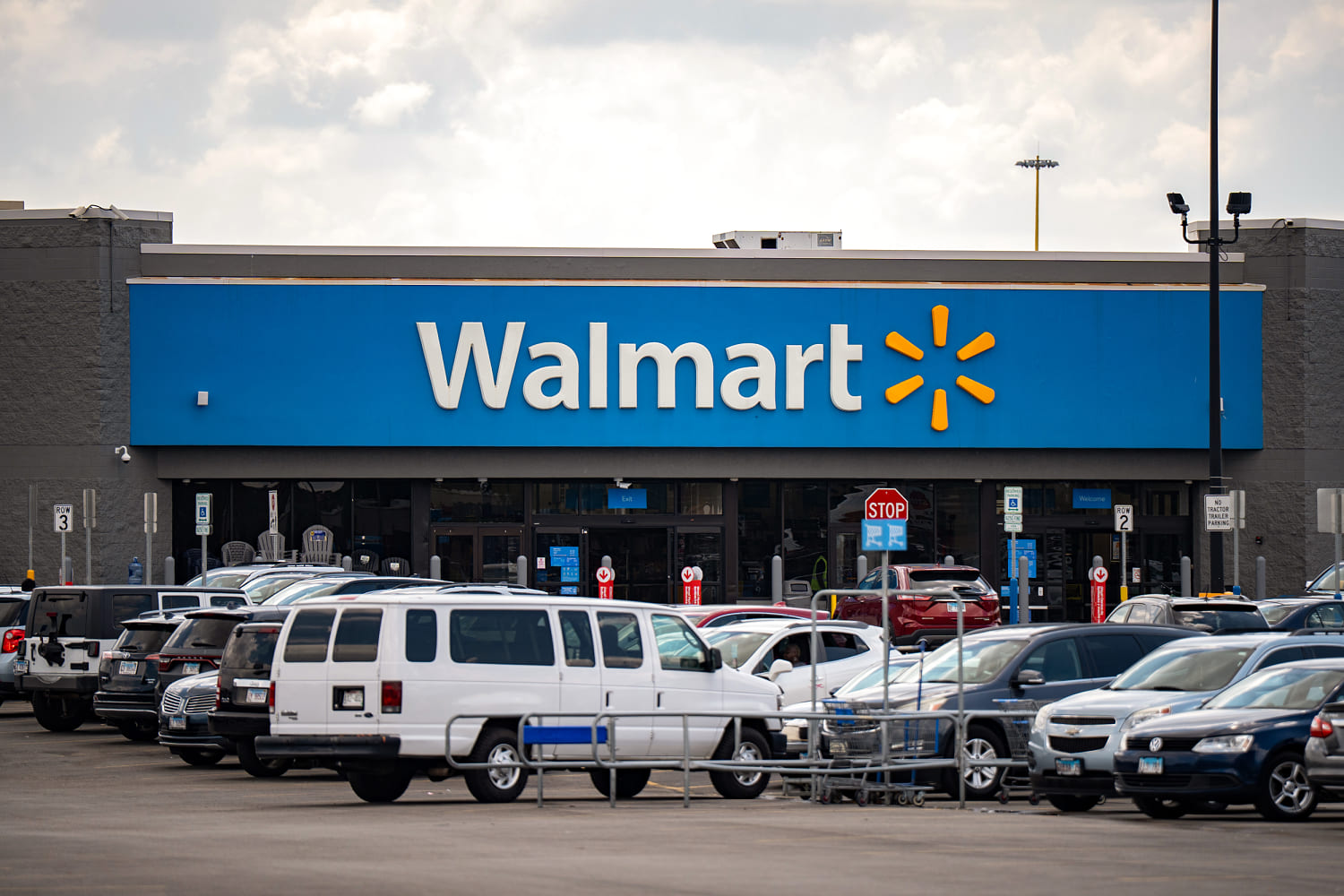
Do you hear it? That rhythmic, metal-on-linoleum clatter echoing across ten thousand polished concrete floors from Bentonville to Boise. It is the sound of a cart heavy with store-brand peanut butter, oversized paper towels, and a single impulse-buy houseplant. It is the sound of America provisioning itself for another week. If you liked this article, you should look at: this related article.
Most people walk through those sliding glass doors thinking only about what they need for dinner. They do not think about customs brokers in shipping containers off the coast of California. They do not think about tariff codes, federal ledger sheets, or the quiet alchemy of corporate balance sheets adjusting to a shifting world.
Yet, those invisible forces dictate every price tag hanging above the frozen peas. For another angle on this story, see the recent update from Financial Times.
For the past few years, the economic weather has turned chilly. Sales growth across the retail sector has slowed down, pulling back from the breathless sprint of the post-pandemic years into a cautious, heavy-footed jog. Shoppers are watching their pennies. They are trading down to cheaper cuts of meat, skipping the middle-aisle treats, and asking hard questions about whether they really need that extra box of cereal. When the consumer slows down, the giant engine at the heart of modern commerce feels the friction.
Then came the refunds.
Billions of dollars in tariff refunds materialized on the ledger. Think of it not as a simple windfall, but as a massive correction. Imagine paying an exorbitant toll on a bridge every single day for years, only to have a court rule later that the toll was collected improperly, handing you a burlap sack heavy with back-pay coins. That is what happened behind the scenes. Millions upon millions of dollars collected on imported goods flooded back into corporate coffers.
It softened the blow. It cushioned the fall.
When your primary engine sputters, finding a hidden reserve of cash is the difference between a panicked screech of the brakes and a controlled glide. Walmart absorbed the punch of slowing consumer spending because those refunds acted as an emergency shock absorber.
The Mechanics of the Everyday
To understand why this matters to the person buying a gallon of milk, you have to look past the corporate earnings call and look at the physical reality of supply chains.
Consider a hypothetical buyer named Marcus. Marcus has worked in retail procurement for twenty years. He knows the exact weight of a shipping pallet by sight. He knows that when trade policies shift by a fraction of a percent, millions of dollars evaporate before a single product touches a warehouse shelf.
For a long time, Marcus and his team were playing defense. Every imported toaster, t-shirt, and bicycle frame carried a heavy surcharge. Those costs had to go somewhere. They either squeezed supplier margins until the factories broke, or they trickled down to the customer, turning an affordable household staple into a luxury.
When those tariffs were challenged and eventually unwound in part, the retroactive checks began to clear.
Money is liquid, but corporate strategy is heavy. That recovered cash did not vanish into smoke. It was deployed to keep prices stubbornly, aggressively low. In a market where shoppers are feeling the pinch of inflation, keeping the price of a dozen eggs flat isn't just good business. It is a lifeline.
The Slowdown Beneath the Surface
Sales growth does not grind to a halt overnight. It happens in whispers.
It happens when a shopper picks up a pack of sliced turkey, looks at the price, hesitates for three seconds, and puts it back in the cooler. Multiply that hesitation by one hundred million visits a week. The top-line numbers start to flatten. The explosive growth curves of previous years begin to look less like a mountain and more like a plateau.
Retailers live and die by volume. They operate on razor-thin margins, making their money not by marking items up massively, but by selling mountains of them. When the mountains turn into hills, the math gets scary.
This is where the narrative splits into two parallel tracks.
On the public track, you see glossy commercials and everyday low-price guarantees. On the private track, executives stare at spreadsheets trying to balance rising operational costs, higher wages for warehouse workers, and the unpredictable swings of global trade policy.
When the tariff refunds arrived, they provided a temporary cloak of invisibility against that slowdown. They papered over the cracks of softening demand. They allowed the nation's largest grocer and retailer to maintain its momentum without having to pass every single economic pain point directly onto the consumer.
What Happens When the Cushion Runs Out
Every cushion eventually compresses.
Refund checks are a one-time event, not a renewable energy source. You can only collect back-payments for past policy shifts once. When that well runs dry, the underlying reality of the market remains waiting for you at the bottom of the stairs.
If consumer spending continues to slow, no amount of retroactive trade relief can permanently mask the trend. Retailers know this. They are doubling down on automation, squeezing efficiencies out of their supply chain logistics, and expanding high-margin digital advertising arms to diversify their revenue. They are preparing for a world where they have to stand entirely on their own economic feet, without the comfort of government checks or regulatory refunds.
The next time you walk past the sliding doors and hear the steady hum of commerce, look at the cart in front of you. Look at the balance between what people can afford and what the world costs to make.
The billions that flowed back into the system bought time. They bought breathing room. But the real test is what happens after the breath is gone, and the long, quiet walk of everyday commerce resumes.