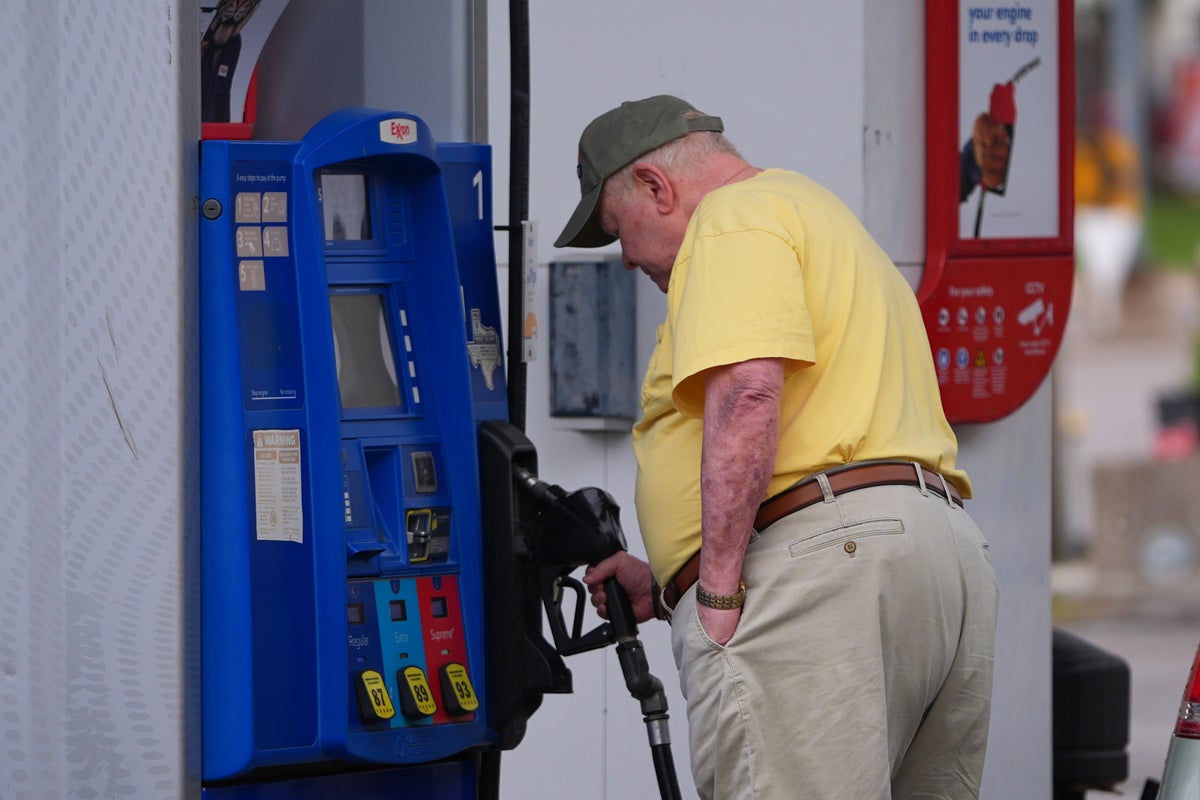
The ritual begins at 5:15 AM in a pre-dawn silence that feels heavy, almost physical. For Elena, a home health aide in rural Ohio, the first sound of the day isn't a bird or an alarm. It is the mental math.
She sits at the edge of her bed, staring at a crumpled receipt from the Sunoco station down the road. Three days ago, a gallon of regular unleaded was $3.15. This morning, the digital sign glowed with a predatory $3.58. To a corporate analyst in a glass tower, that forty-three-cent jump is a data point, a flicker on a Bloomberg terminal. To Elena, it is a gallon of milk. It is the difference between name-brand cereal and the generic bag that tastes like cardboard. It is a slow-motion heist.
We often talk about gas prices as a political barometer or a headache for the "average" consumer. But "average" is a lie told by statistics. In reality, the surge in fuel costs functions as a regressive tax that targets the very people who can least afford to pay it. It is a weight that drags hardest on those whose livelihoods depend on the distance between two points.
The Geography of Inequality
Consider the physics of the American workday. If you work in a high-rise in Manhattan or a tech hub in San Francisco, you might view a car as a luxury or a nuisance. You have subways, bike lanes, and the ability to "work from home" when the world gets expensive.
But for the bottom 20% of earners, the geography of survival looks very different.
Lower-income workers are frequently pushed to the "exurbs"—the far-flung fringes where rent is cheap but the commute is a marathon. Research consistently shows that lower-income households spend a significantly higher percentage of their post-tax income on fuel than the wealthy. When prices spike, a hedge fund manager might not even notice the total at the pump. For a delivery driver or a construction worker, that same total represents hours of labor vanished into a combustion chamber.
The numbers are stark. According to data from the Bureau of Labor Statistics, the lowest quintile of earners spends nearly 15% of their income on transportation. When gas prices rise by a dollar, that percentage swells, swallowing the "extra" cash meant for shoes, dental visits, or savings.
The Beater and the Burden
There is a cruel irony in the machines we drive. The wealthier you are, the more likely you are to own a fuel-efficient hybrid or a sleek electric vehicle that bypasses the gas station entirely. You are insulated from the volatility of global oil markets.
Elena drives a 2009 Chevy Malibu. It has a persistent tick in the engine and a tailpipe that rattles over every pothole. It averages about twenty miles to the gallon on a good day. She cannot afford the $40,000 entry price of an EV, and her credit score makes a new, fuel-efficient subcompact a pipe dream.
She is trapped in a feedback loop. Because she is low-income, she drives an older, less efficient car. Because she drives an inefficient car, she pays more for gas. Because she pays more for gas, she has less money to save for a better car.
It is an expensive thing to be poor in America.
When we look at the "surge" in prices, we aren't just looking at a supply-and-demand curve. We are looking at a widening gap in mobility. If you can't afford to get to the job, the job doesn't exist. For those living paycheck to paycheck, the gas tank is a ticking clock. When the needle hits "E" and the bank account says zero, the world effectively stops spinning.
The Ripple Effect in the Grocery Aisle
The pain doesn't stop at the pump. It migrates.
Everything you eat, wear, or use was once on a truck. Those trucks run on diesel. When fuel costs skyrocket, logistics companies pass those expenses down the line. The grocery store owner sees a "fuel surcharge" on their delivery invoice. To keep their margins, they raise the price of a dozen eggs.
Suddenly, the "gas price surge" is no longer just about the car. It is a ghost in the machine of the entire economy. It haunts the price of bread. It lingers over the cost of a winter coat.
Lower-income families are hit twice: once when they fill their tanks and again when they fill their plates. They have no "discretionary spending" to cut. They aren't canceling a vacation to Tahiti; they are deciding which utility bill to pay late so they can afford the drive to work.
The Myth of Choice
Critics often suggest that people should "just take the bus" or "move closer to work." This assumes a level of infrastructure and social mobility that simply doesn't exist for millions.
In many parts of the country, public transit is a ghost. In Elena’s town, there is no bus. There is no train. There is only the asphalt and the car. Moving closer to the city center—where her patients live—would triple her rent, instantly canceling out any savings on gas.
This is the invisible stake of the energy crisis. It isn't just about the price of a barrel of Brent Crude. It’s about the erosion of the American Dream for the people who do the work that makes society function. The mechanics, the nurses, the janitors, and the warehouse pickers are the ones footing the bill for global instability.
When we talk about "energy independence" or "green transitions," we have to ask: who is being left behind in the transition? If the path to a cleaner future requires a $50,000 investment and a home with a garage for a charger, we are effectively telling the working class that they are passengers in an economy that no longer cares if they can afford the fare.
The Human Cost of Five Cents
Late into the evening, Elena is at her second job, cleaning an office park. She watches a luxury SUV pull into the lot. The driver doesn't even look at the pump price as he swipes his card. He’s talking on a headset, laughing about a golf game.
She feels a familiar sting—not of envy, but of exhaustion.
The weight of the gas price isn't measured in gallons. It’s measured in the things that don't happen. The movie night that was canceled. The sneakers that were patched with duct tape for one more month. The persistent, low-grade anxiety that hums in the chest every time the "Low Fuel" light flickers on the dashboard.
We see the headlines and we see the numbers. We see the politicians pointing fingers and the oil executives defending their quarterly profits. But we rarely see the woman at 5:15 AM, sitting on the edge of her bed with a calculator and a receipt, trying to figure out how to buy enough distance to make it through Friday.
The tank is nearly empty, and the sun is just starting to rise.

.jpg?mode=max)