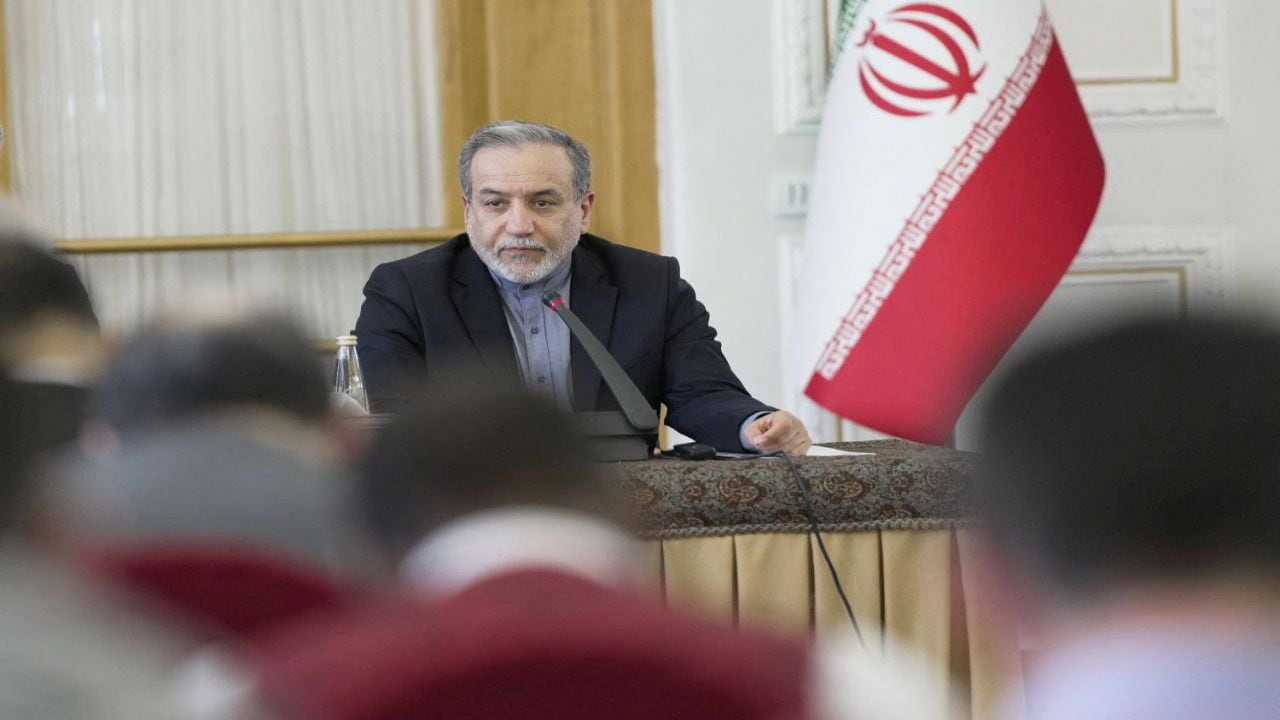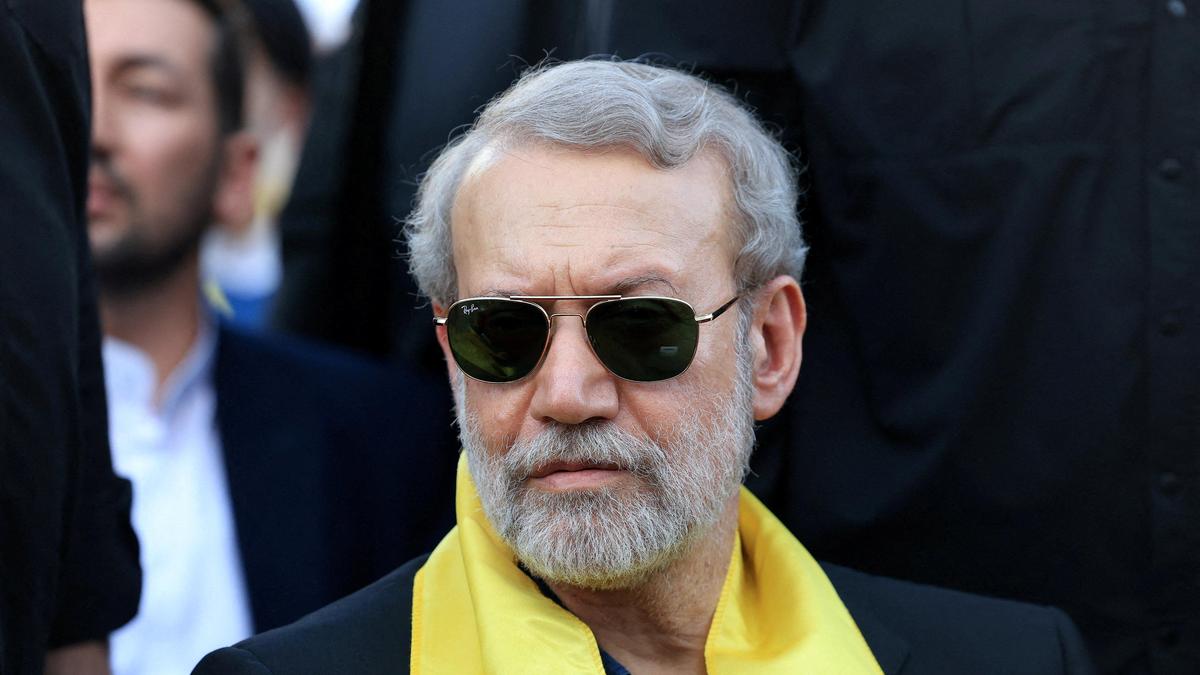
Ali Larijani, the seasoned operative often described as the "rational face" of the Iranian conservative establishment, has drawn a hard line against renewed negotiations with Washington. While Western observers frequently misread these statements as mere posturing for a domestic audience, the reality is far more clinical. Larijani is signaling that the internal mechanics of the Islamic Republic have reached a point of total skepticism regarding American diplomatic reliability. The refusal to talk is not an emotional outburst. It is a calculated assessment of risk versus reward where the risk of appearing weak currently outweighs any theoretical economic benefit.
To understand why Larijani—a man who once navigated the complexities of the 2015 nuclear deal—is now slamming the door, one must look at the wreckage of past agreements. Tehran views the U.S. political system not as a single entity, but as a fractured landscape where executive promises are written in sand. When the Trump administration exited the Joint Comprehensive Plan of Action (JCPOA) in 2018, it didn't just kill a treaty. It killed the political capital of every Iranian pragmatist who argued that the West could be trusted. Larijani is not just speaking to the U.S.; he is insulating himself from the hardliners in Qom and Tehran who view any handshake with a high-ranking American official as an act of betrayal.
The Architecture of Iranian Defiance
The current stance is built on a foundation of "Strategic Patience" that has evolved into "Active Resistance." In the past, Iran would wait for the storm to pass. Now, the leadership believes they have successfully diversified their survival strategy. The "Look to the East" policy is no longer a slogan. It is a functional economic pipeline. By strengthening ties with Beijing and Moscow, Tehran has created a buffer that makes the "maximum pressure" of U.S. sanctions feel less like a noose and more like a manageable chronic illness.
Larijani’s refusal to negotiate stems from a specific calculation of the current American political calendar. Tehran sees a White House that is distracted by domestic polarization and a looming election cycle. They ask a simple question: Why sign a deal with an administration that might be gone in months? In their eyes, any agreement reached today could be shredded by a successor tomorrow. This "permanence gap" is the single greatest obstacle to any diplomatic movement.
The Shadow of the Supreme Leader
Larijani operates within a tight corridor defined by Ayatollah Ali Khamenei. In the Iranian system, the Supreme Leader sets the tone, and the advisors provide the harmony. Khamenei has grown increasingly convinced that the ultimate goal of U.S. policy is not "behavioral change" but "regime change." When Larijani says there will be no negotiations, he is reflecting the Supreme Leader's long-standing belief that the U.S. uses diplomacy as a tool for infiltration rather than resolution.
The internal power struggle within Iran also plays a massive role. The Revolutionary Guard (IRGC) has gained immense economic power under sanctions. They control the black markets, the smuggling routes, and the infrastructure projects that keep the country running. For the IRGC, a lifting of sanctions is a double-edged sword. While it might help the general economy, it would also invite international competition and transparency—two things that threaten their monopoly. Larijani is acutely aware that any move toward the U.S. would require him to fight a domestic battle against the most powerful military and economic force in the country.
The Leverage Myth
Washington often operates under the assumption that more sanctions equal more leverage. This is a fundamental misunderstanding of the Iranian psyche and their economic adaptation. Iran has spent decades learning how to live in a closed loop. They have developed a "resistance economy" that prioritizes self-sufficiency in key sectors like defense and basic manufacturing.
When Larijani dismisses negotiations, he is betting that Iran can outlast the American appetite for conflict. He looks at the regional map and sees Iranian influence in Lebanon, Syria, Iraq, and Yemen. From his perspective, Iran is winning the regional chess game despite the sanctions. Why should the winner go to the table to beg for crumbs?
The Nuclear Threshold as a Shield
Iran has moved closer to weapons-grade enrichment than ever before. This is not just a technical milestone; it is a diplomatic shield. By hovering at the "breakout" threshold, Tehran creates a sense of urgency in the West that they believe forces the U.S. to be the one to blink first. However, this strategy is reaching its limit. The closer they get to a bomb, the higher the risk of a preemptive strike from Israel or a regional escalation that neither side can control.
Larijani’s rhetoric serves to buy time. By taking negotiations off the table, he stops the "salami slicing" of Iranian concessions. He is holding out for a "Grand Bargain" that includes not just nuclear limits, but a total recognition of Iran's regional status and a permanent end to economic warfare. Anything less is seen as a trap.
The Ghost of 1953
Historical memory in Tehran is long and bitter. The 1953 coup that overthrew Mohammad Mosaddegh remains the primary lens through which the Iranian elite views American intentions. To them, the U.S. is an imperial power that cannot tolerate a truly independent Middle Eastern state. This isn't just propaganda; it is a core belief that shapes their geopolitical DNA.
When a figure like Larijani—who is a philosopher by training and a politician by trade—rejects talks, he is tapping into this deep well of nationalistic pride. He knows that in the current climate, being "tough on America" is the only safe political currency. The reformists who campaigned on engagement have been sidelined, their reputations tarnished by the failure of the 2015 deal to bring the promised prosperity to the Iranian middle class.
Why the Silence Will Continue
The stalemate is currently the most stable state for both sides. For the Biden administration, a major deal with Iran is a political liability in an election year. For the Iranian leadership, a deal is a risk to their ideological purity and their internal power structure. We are witnessing a period of "managed tension." Both sides know where the red lines are, and both sides are careful not to cross them in a way that triggers a full-scale war.
Larijani is a master of this theater. He knows that by saying "no" now, he increases the value of a potential "yes" in the future. But that future requires a fundamental shift in how Washington approaches the region. Until the U.S. can offer a guarantee that survives a change in the Oval Office, the invisible wall will remain.
The refusal to negotiate is the ultimate expression of a state that has decided it is safer to be an enemy than a vulnerable partner. Iran has calculated that the cost of isolation is high, but the cost of a broken promise is fatal. Larijani's words are the final nail in the coffin of the era of easy diplomacy.
Watch the enrichment levels and the regional proxy movements. Those are the real indicators of Iran's next move, not the scripted denials of its politicians. The next time a diplomat mentions a "pathway to peace," remember the institutionalized distrust that Larijani just confirmed.