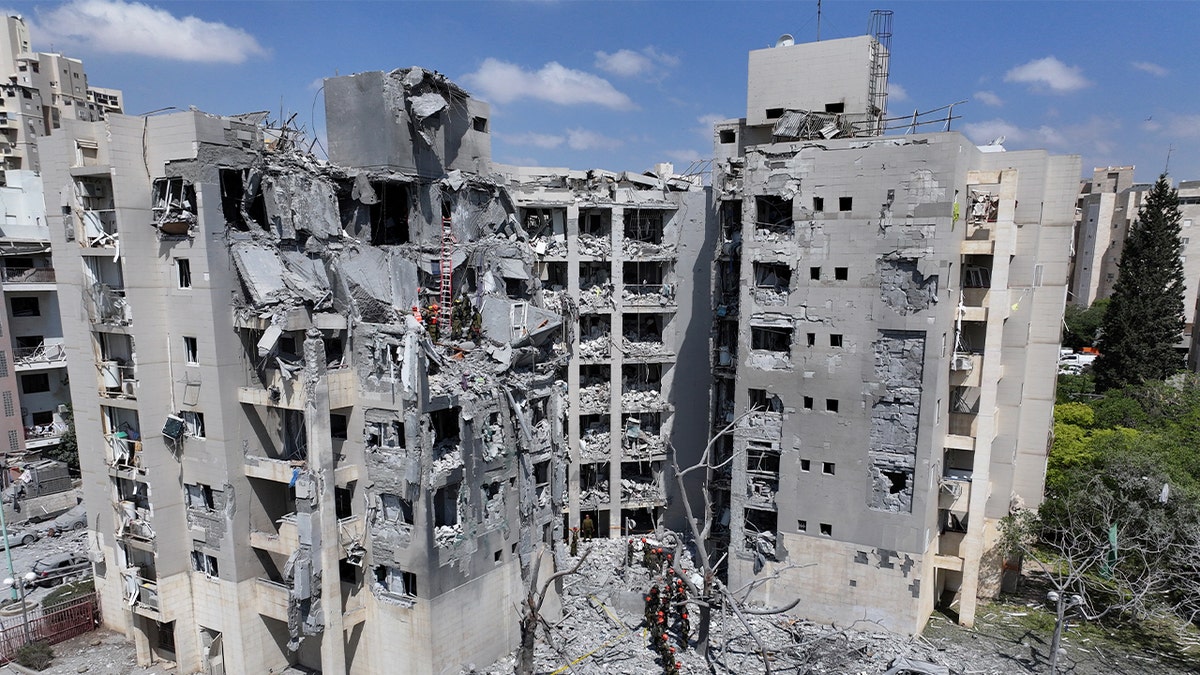
The collective sigh of relief emanating from Washington and the global markets today is the sound of a structural failure being mistaken for a fresh start. On April 8, 2026, the world watched as a two-week conditional ceasefire was inked between the United States and Iran, pausing a conflict that had already decapitated the Iranian leadership and sent oil prices into a tailspin. Mainstream analysts are currently tripping over themselves to describe this as a return to "diplomatic norms" or a "calculated de-escalation."
They are wrong. This isn't a return to anything. It is the formalization of a new, brutal reality where "peace" is merely the interval between high-precision erasures.
The Myth of the Relieved Politician
The "caution and relief" reported by the legacy press is a mask for total strategic disorientation. For decades, the D.C. establishment operated on the doctrine of "Strategic Patience"—a polite term for doing nothing while hoping the problem would eventually dissolve. When the bombs started falling on February 28, that doctrine didn't just break; it was incinerated.
I have watched policy "experts" spend careers building careers out of the status quo in the Middle East. They are not relieved that the war is pausing; they are terrified because the leverage has shifted from the boardroom to the cockpit. The ceasefire wasn't born out of a sudden desire for humanitarian reprieve. It was a tactical pivot executed after the military objectives—degrading the nuclear program and ensuring the "neutralization" of the IRGC—were already checked off the list.
The Strait of Hormuz Is a Toll Road Now
The "lazy consensus" suggests that reopening the Strait of Hormuz is a win for global trade. In reality, it is the birth of a protection racket. The terms of the ceasefire, mediated by Pakistan, don't just "reopen" the waterway; they place it under a "conditional" management system that involves Iranian oversight and "transit fees" for reconstruction.
Imagine a scenario where the world’s most vital energy artery, through which 25% of the world’s seaborne oil flows, becomes a subscription service. We aren't seeing a return to free trade. We are seeing the creation of a geopolitical toll booth. If you think gas prices will return to 2024 levels because of a two-week pause, you don't understand how risk is priced. The volatility is now baked into the infrastructure.
Regime Change Without the Occupation
The most glaring nuance missed by the "caution and relief" crowd is the nature of the "Regime Change" Trump is touting. This isn't Iraq 2003. There are no "Mission Accomplished" banners and no decade-long nation-building projects. This is "Regime Change by Attrition."
By removing the top tier of the Iranian leadership—including the assassination of the Supreme Leader in the opening weeks—and then offering a "workable" 10-point peace plan to the survivors, the U.S. has skipped the occupation and gone straight to the reorganization. This is the corporate raid version of foreign policy: fire the C-suite, sell off the non-core assets (the enriched uranium), and keep the remaining staff on a short, two-week probationary period.
Why the "10-Point Plan" Is a Trap
The Iranian 10-point proposal being hailed as "workable" is a document of surrender disguised as a negotiation. It demands:
- Lifting of all sanctions.
- Withdrawal of U.S. forces from the region.
- Control over the Strait.
The establishment sees these as "stumbling blocks." They aren't. They are the "maximalist" starting positions designed to be traded away for the one thing the new Iranian leadership actually wants: survival. The U.S. knows this. Every day the ceasefire holds, the "new, smarter" Iranian leadership becomes more dependent on the pause to avoid the "stone ages" threat issued just 24 hours ago.
The Cost of the "Double-Sided" Ceasefire
The term "double-sided ceasefire" is a linguistic masterpiece of the current administration. It implies equality. It suggests that both sides are laying down arms from a position of parity. This is a fabrication.
The U.S. and Israel have already achieved what they wanted. They have "knocked the crap" out of the strategic infrastructure. A ceasefire now isn't a concession; it's a "save game" point. It allows the U.S. to reload, reassess, and wait for the next "infraction" to justify the next wave of "major combat operations."
The Institutional Failure of "Caution"
When Senator Lindsey Graham says the strikes were "in the nick of time" and Democrats call the threats "war crimes," they are both playing parts in a play that has already been closed. The institutional "caution" being displayed is irrelevant because the institutions themselves were bypassed. The decision-making loop has been tightened to a circle of three: the President, the VP, and the Pakistani military leadership.
If you are looking for "stability," you are looking in the wrong decade. The ceasefire is a two-week window for the world to realize that the old rules—international law, UN decrying "incendiary rhetoric," and diplomatic "red lines"—have no currency in a 2026 conflict.
Stop asking if the ceasefire will hold. Start asking what the "reconstruction process" looks like when the primary contractor is the entity that did the destroying.
The ceasefire isn't a peace treaty. It’s a bill. And it's time to pay.