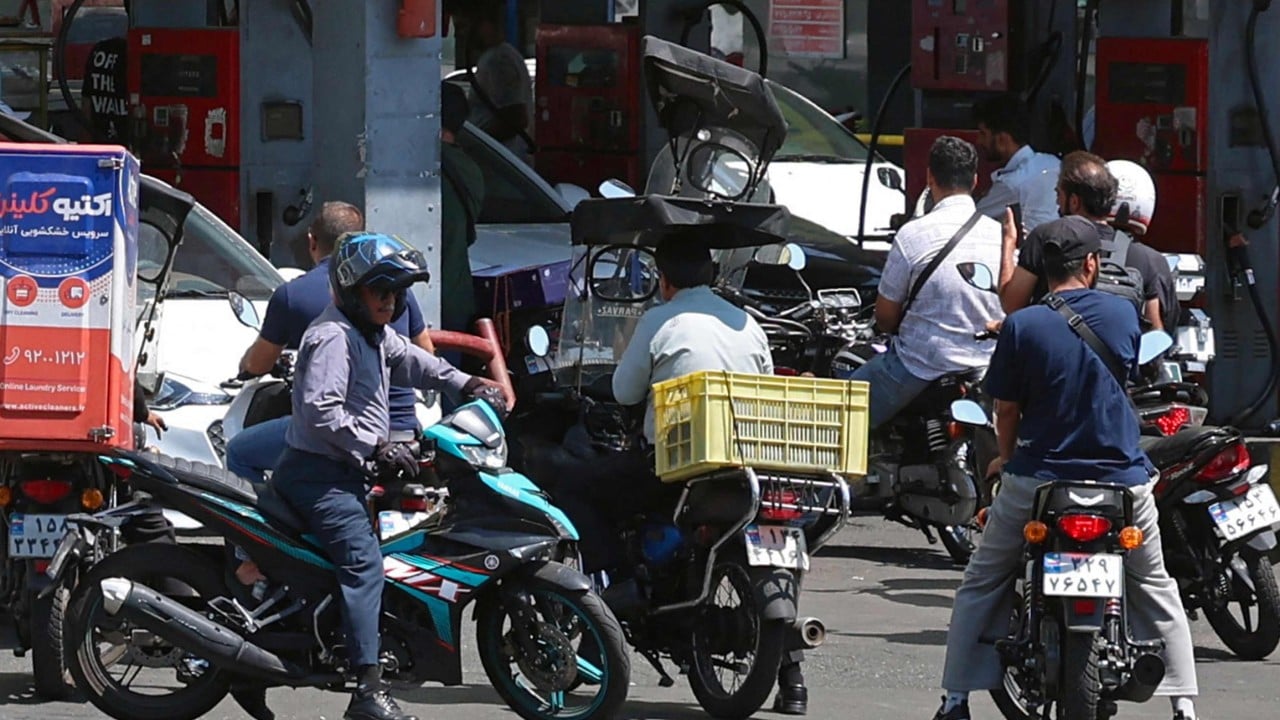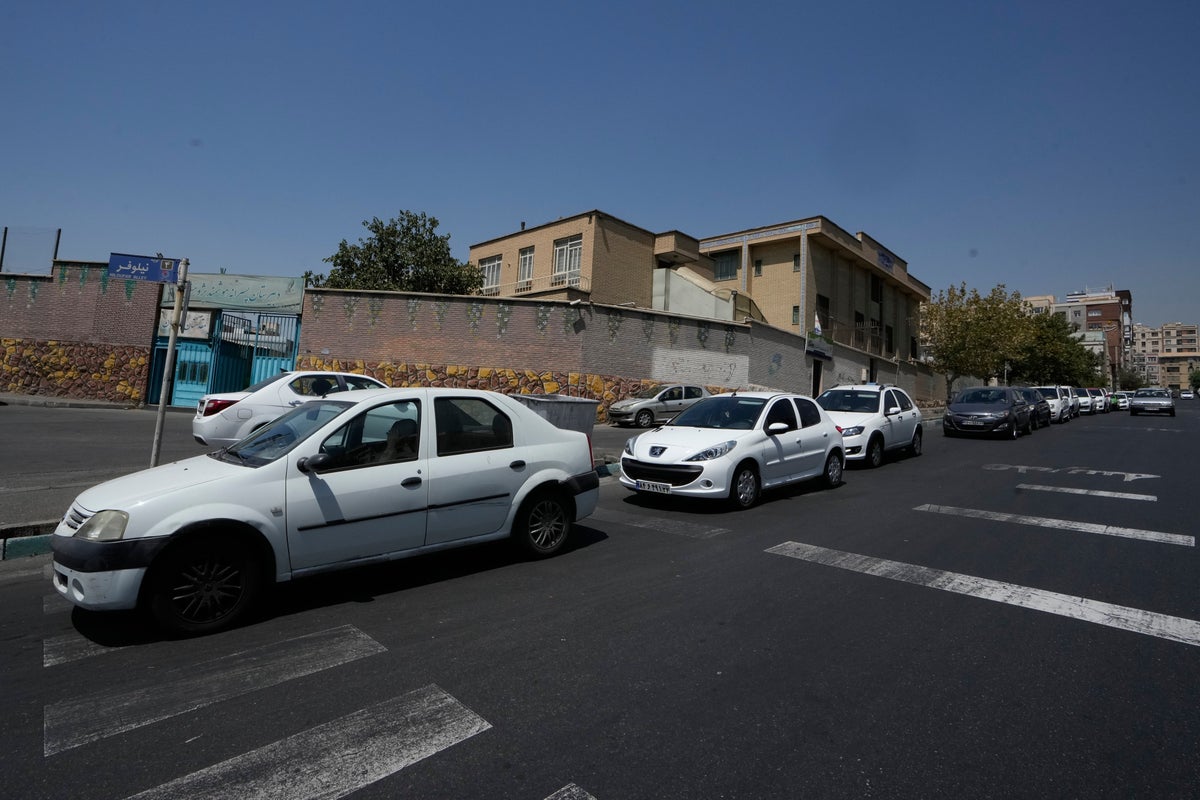
Drive through Tehran right now and you will spot them immediately. Gas lines stretch for hours outside local stations, forcing drivers to wait half the day just to fill a tank. Washington is betting these agonizing queues will finally break the regime's stubborn resistance. It is a textbook maximum pressure strategy designed to manufacture economic chaos and social unrest. Yet Tehran's leadership refuses to budge.
Understanding why these sanctions fail to bend Iranian authorities requires looking past standard geopolitical talking points. You have to examine how a heavily sanctioned state adapts, why ordinary citizens bear the true brunt of the blockade, and how the ruling structure insulates itself from public fury.
The Reality on the Ground in Tehran
Grocery shelves remain mostly stocked, but wallets are entirely empty. Double-digit inflation has ravaged the local currency, pushing the rial to historic lows. Taxi drivers and shopkeepers spend their mornings calculating losses rather than profits. Mahmoud Chavoshi, a 51-year-old driver in the capital, fills his tank whenever possible because prices climb by the week. Pasta, milk, and basic household goods cost significantly more than they did just a month ago.
When Washington threatens to target digital assets, gold, shipping lanes, and aviation, western officials call it pressure on the state. On the ground, it feels entirely different. As economic analysts point out, these sectors act as lifelines for struggling families trying to protect dwindling savings, not luxury mechanisms for the elite. Gold and digital tokens are basic survival tools against hyperinflation, yet foreign policy planners treat them as acceptable collateral damage.
Why Political Leaders Won't Bow
Western strategy assumes that mounting public misery forces a government to change course. History proves this rarely works against authoritarian security apparatuses. Iranian President Masoud Pezeshkian has stated publicly that surrendering to economic warfare is completely off the table. When military options failed to achieve regime change, outsiders turned to economic strangulation to trigger internal chaos.
The ruling establishment views concessions as a sign of terminal weakness. Dictatorships and entrenched clerical regimes rarely yield under direct foreign coercion because giving in invites faster collapse than enduring financial pain. Security forces maintain tight control over the streets. Major demonstrations earlier in the year faced brutal suppression, reminding the populace of the heavy costs associated with open dissent.
The Limits of Resilience
No economy can absorb infinite punishment without consequences. Mohammad Farzanegan, an economics professor at the University of Marburg, notes that human resilience has a breaking point. Purchasing power drops daily. Psychological exhaustion spreads across every social class. At some stage, accumulated frustration might outpace the state's capacity to contain it through force or propaganda.
At the same time, Tehran still manages to squeeze out alternative revenue streams. Even with stringent blockades, oil sales to foreign buyers like China provide a continuous financial trickle. Recent domestic energy discoveries, such as a major southern gas field find yielding billions in estimated wealth, offer long-term talking points for state media even if immediate infrastructure development remains bottlenecked by sanctions and war damage.
Moving Forward Without Breakthroughs
Expecting a sudden diplomatic breakthrough or a popular uprising to alter Iran's foreign policy trajectory is wishful thinking. The current cycle of escalation guarantees longer fuel queues, higher inflation, and deeper isolation for millions of ordinary people who have zero say in geopolitical standoffs. Sanctions inflict severe wounds, but they rarely achieve the cinematic capitulation that policymakers in Washington picture.
If you want to track where this crisis heads next, ignore official diplomatic communiques and watch the local currency markets alongside industrial supply chains. That is where the actual contest for survival takes place every single day.
Iran’s Big Slap To US? Defies Trump’s Sanctions, Unleashes 7.5 Trillion Cubic Feet Gas Bonanza
This video provides additional context on Iran's recent large gas discoveries and how the country attempts to navigate ongoing energy challenges despite heavy international restrictions.
http://googleusercontent.com/youtube_content/1