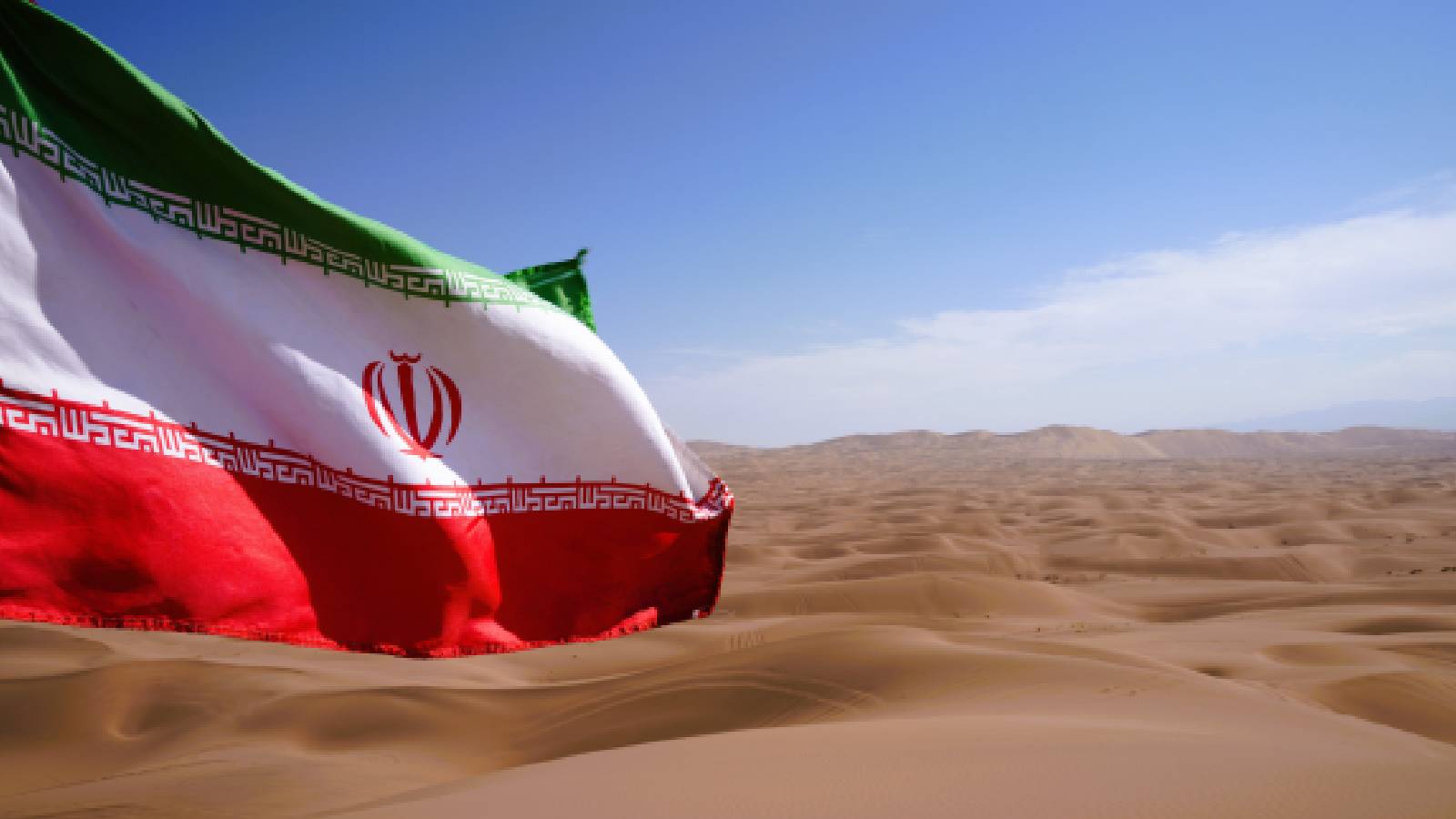
International diplomacy at the United Nations General Assembly rarely features subtle language anymore. When Iranian President Masoud Pezeshkian stepped up to the podium, he didn't bother wrapping diplomatic messages in polite abstractions. He addressed Washington and Donald Trump directly, framing Tehran’s stance through a lens of profound historical grievance and absolute defiance.
If you look past the standard political theater, this speech reveals something much deeper about how modern geopolitical flashpoints actually operate. It is not just about speeches or press conferences. It is about an entrenched ideological standoff that refuses to soften, regardless of who sits in the White House. Meanwhile, you can find similar stories here: Behind the Handshakes at the Trump Xi White House Summit.
The Victim Narrative Versus Maximum Pressure
The core conflict between Washington and Tehran usually boils down to a fundamental clash of definitions. When American leaders level accusations of state-sponsored terror, Iranian officials flip the script instantly. Pezeshkian pointed directly to decades of crippling economic sanctions, covert cyber operations, and the assassination of high-ranking officials, arguing that Iran remains the primary target of systemic international aggression rather than its source.
This rhetoric serves a dual purpose. Domestically, it shores up political legitimacy for a regime facing internal economic strain and intense public pressure. Externally, it sends a clear signal to global powers that economic strangulation will not force a wholesale capitulation on nuclear policy or regional proxy support. To explore the full picture, check out the recent report by TIME.
[Diplomatic Standoff Dynamics]
   Washington Strategy                   Tehran Strategy
+-----------------------+             +-----------------------+
|  Maximum Pressure &   |  <------->  |  Defiant Rhetoric &   |
|  Economic Sanctions   |             |  Asymmetric Defense   |
+-----------------------+             +-----------------------+
Why Bending the Knee Is Politically Impossible
Outsiders often wonder why political leaders in heavily sanctioned countries don't just negotiate a pragmatic exit. The reality on the ground makes compromise nearly impossible. In the architecture of Iran's political establishment, showing vulnerability to Western pressure is viewed as a fatal strategic error.
When Pezeshkian declared that his country would never bend the knee, he was speaking the mandatory language of survival within his own ecosystem. Conceding ground under direct threats invites internal hardliner backlash and undermines the foundational pillar of the regime. History teaches us that authoritarian or semi-authoritarian structures harden their positions when cornered. They rarely soften.
The Broader Middle Eastern Fallout
You cannot separate these fiery UN speeches from the catastrophic kinetic reality unfolding across the Middle East. With ongoing conflicts involving regional proxy networks and direct exchanges with Israel, the margin for diplomatic error has shrunk to almost zero.
Every speech at the glass podium in New York echoes back to active conflict zones where miscalculations carry immediate human costs. When leaders trade accusations of genocide and terrorism on the global stage, they are hardening the battle lines for the next escalation.
The standoff between Washington and Tehran remains locked in a destructive loop. Until both sides find an off-ramp that preserves domestic political face while addressing core security concerns, expect more fiery rhetoric, deeper trench-digging, and a total absence of genuine compromise.
Full Iran speech at UN General Assembly tells Trump, US ...
This video provides direct footage and full context of the Iranian president's address at the United Nations General Assembly addressing Western policies and regional tensions.



