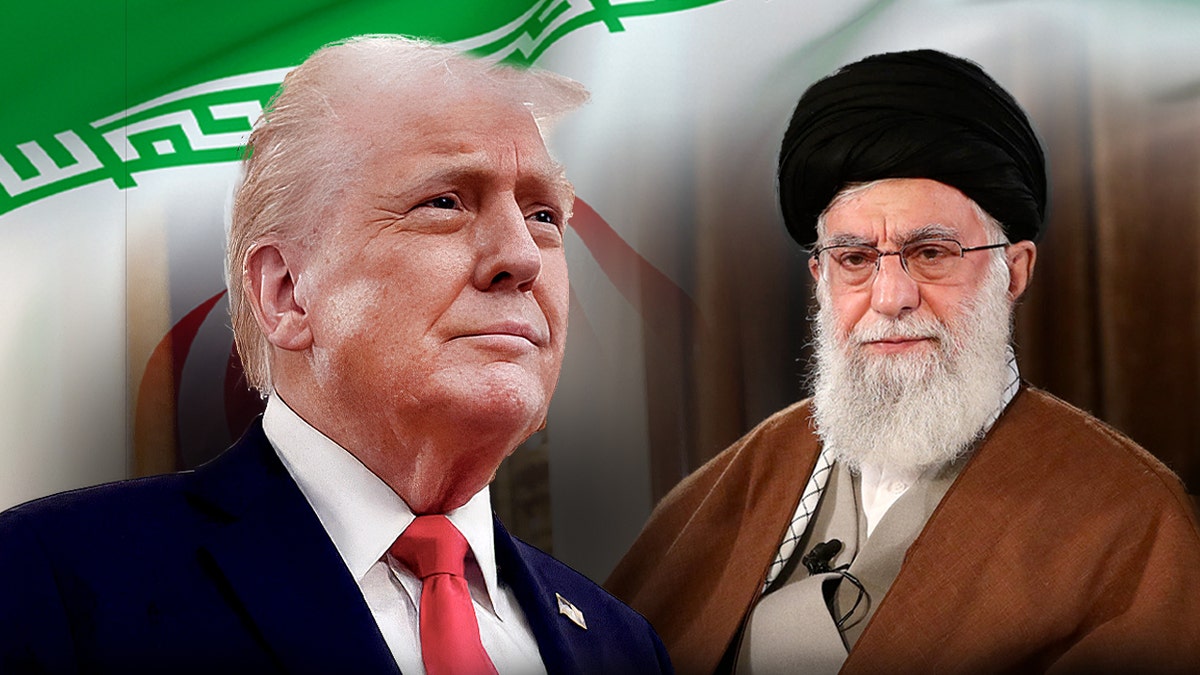
You can't have a conversation when one person is holding a stopwatch and the other is holding a trigger. That’s basically where we are with the latest diplomatic breakdown between Washington and Tehran. While the world was hoping for a second round of talks in Islamabad to cement a fragile peace, Iran just slammed the door. It isn't just about stubbornness. It’s about a ceasefire that exists on paper but feels like a siege on the ground.
If you’re wondering why the scheduled second round of negotiations collapsed before the diplomats even finished their coffee, the answer lies in a toxic mix of "excessive demands" and a naval blockade that Tehran views as an act of war.
The Blockade Problem
Iran's official news agency, IRNA, isn't being subtle. They’ve labeled the ongoing US naval blockade in the Strait of Hormuz a direct violation of the ceasefire understanding reached on April 8. To Tehran, you can’t say the fighting has stopped if you’re still strangling the country's economy at the shoreline.
President Trump has been vocal on Truth Social, claiming the blockade is necessary because of Iranian "bullets" fired in the shipping corridor. He even joked that the IRGC is doing US oil producers a favor by forcing ships to head to Texas and Alaska instead. But for the Iranian leadership, this isn't a joke—it's a $500 million-a-day hit to their survival.
What Iran Says is Happening
- Contradictory Signals: Tehran claims the US keeps moving the goalposts. One day there’s talk of sanctions relief; the next, there are threats to "knock out every single power plant."
- The Lebanon Factor: There’s a massive disagreement on the scope of the ceasefire. Iran insists Lebanon (and Hezbollah) should be included. The US and Israel say absolutely not.
- Unrealistic Demands: Washington wants a 20-year total freeze on uranium enrichment. Iran countered with five years. The gap isn't just wide; it's a canyon.
Why Diplomacy is Failing Right Now
Honestly, the timing was always working against this deal. We’re coming off a 40-day combat period that saw massive strikes on Iranian nuclear facilities and military infrastructure. You don't go from "Operation Eternal Darkness" to a handshake in two weeks without some serious friction.
The US stance is clear: they want a permanent end to the nuclear program and a total reopening of the Strait. Iran's stance is equally firm: they want reparations, control over the waterway, and an end to the "maximalist" pressure that’s been hammering their economy since February.
The Missing Pieces of the Puzzle
Most people focus on the nuclear headlines, but the real friction is often in the details no one talks about. For example, Iran is reportedly replenishing its missile and drone launchers at a rate faster than before the conflict began. It’s a classic "talk softly and carry a big stick" strategy, except they aren't talking very softly.
Meanwhile, the regional players are stuck in the middle. Pakistan has been trying to mediate, putting Islamabad on high security alert with 20,000 police just to host the talks that didn't happen. Oman and Qatar are still working the phones, but when the two main actors can't even agree on what "ceasefire" means, the mediators don't have much to work with.
What This Means for Your Wallet
If you think this is just a geopolitical chess match, look at the oil prices. The Strait of Hormuz is the world's most important oil chokepoint. Any time a "ceasefire" looks this shaky, the markets freak out.
The US has signaled it’s willing to unfreeze some Iranian assets, but only if Tehran blinks first. Right now, neither side wants to be the one to blink. The IRGC has threatened to "open the gates of hell" if the blockade continues, while Trump has warned of "No More Mr. Nice Guy" tactics. It’s a high-stakes game of chicken where the "ceasefire" is more of a tactical pause than a peace.
The Reality of the "Yellow Line"
On the ground in southern Lebanon, the situation is even more complex. Israeli forces have established what they call a "Yellow Line"—a boundary marking areas under their control. This mirrors the strategy used in Gaza and adds another layer of resentment for the Iranian-backed groups.
Tehran sees these moves as a land grab while the world is distracted by the "peace talks." To them, the US is just providing diplomatic cover for Israel to reshape the map. Whether that’s true or not doesn't matter as much as the fact that the Iranians believe it. It makes any further negotiations feel like a trap.
Next Steps for Regional Stability
- Watch the Blockade: If the US eases the naval pressure, Iran might come back to the table. If they don't, expect more skirmishes in the water.
- Monitor the IAEA: The nuclear inspectors are the canary in the coal mine. If Iran expels them, the ceasefire is officially dead.
- Track the Mediators: Keep an eye on Islamabad. If the Pakistani foreign ministry announces a new date, there’s a sliver of hope. If they go silent, start worrying.
Don't expect a breakthrough tomorrow. The rhetoric is too hot, and the "violations" are too frequent. For now, we're stuck in a loop of threats and failed meetings. The best move is to watch the Strait. That’s where the real story will be written, not in a conference room in Pakistan.