The conviction of a man tied to a sophisticated Iranian paramilitary assassination plot isn't just another courtroom win for the DOJ. It's a loud, ringing alarm for anyone who thinks state-sponsored terrorism stays overseas. This case pulled back the curtain on how a foreign power tried to use a proxy to settle a political score on American soil. We aren't talking about a lone wolf with a manifesto. This was a calculated, funded operation designed to eliminate a high-profile critic of the Iranian regime.
When the news broke about the jury's decision, it confirmed what intelligence officials have been whispering for years. Foreign actors are increasingly comfortable crossing red lines that once felt untouchable. This trial proved that the "long arm" of Tehran isn't just a metaphor. It's a series of wire transfers, encrypted messages, and hired muscle operating in our own neighborhoods.
The Mechanics of a State Sponsored Hit
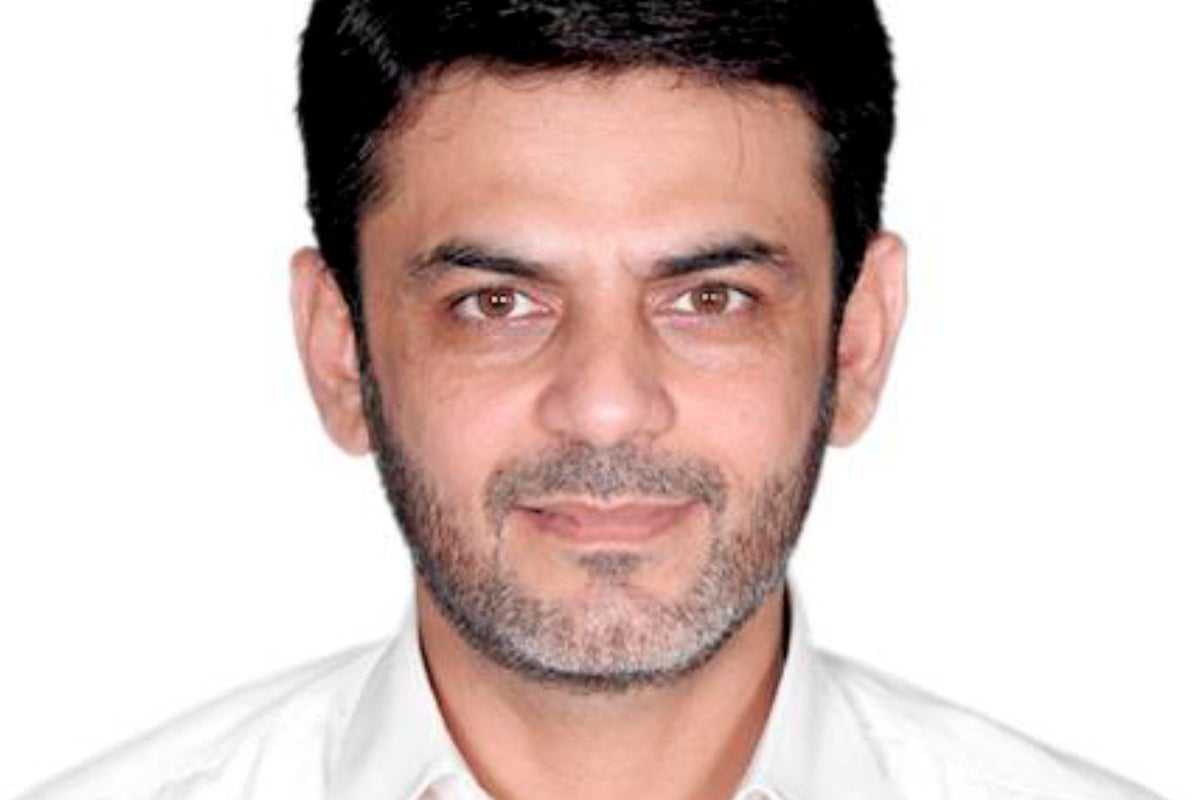
The details coming out of the trial of Khalid Mehdiyev are chilling. He wasn't some master spy from a Bond movie. He was the end of the fuse. Federal prosecutors laid out a trail that started in Iran and ended with a man sitting in a car with a loaded AK-47-style rifle outside a Brooklyn home. The target was Masih Alinejad, a journalist who has been a thorn in the side of the Iranian leadership for a long time.
Most people don't realize how these operations actually work. They don't send their own elite agents to pull the trigger. That’s too risky. Instead, they use "cut-outs." They hire members of Eastern European criminal syndicates or local gangs to do the dirty work. It gives the state plausible deniability. If the hit goes wrong, the country can just shrug and say it was a local crime. Except this time, the FBI traced the money and the commands back to the source.
The jury saw evidence of a $30,000 cash payment. They saw the surveillance photos Mehdiyev took of the target's house. They saw the "go" signals sent from overseas. This wasn't a misunderstanding. It was a contract.
Why Masih Alinejad was the Target
You have to understand the threat Alinejad poses to Tehran to understand why they'd risk an international incident to kill her. She’s been the voice of the "My Stealthy Freedom" movement, encouraging Iranian women to remove their hijabs in protest. To a hardline theocracy, that's more than just dissent. It's an existential threat.
The Iranian government doesn't just want to silence people inside their borders. They want to prove that no matter where you fly, no matter what passport you hold, they can find you. This wasn't the first attempt on her life, either. There was a 2021 plot to kidnap her via a speedboat and take her to Venezuela. When that failed, they shifted to a direct assassination attempt. It shows a terrifying level of persistence.
The Role of the Thieves in Law
One of the most fascinating—and terrifying—parts of this conviction is the involvement of the "Thieves in Law." This is a notorious Eastern European organized crime network. The fact that a foreign intelligence agency is comfortably "subcontracting" work to global mafia groups should make every security expert lose sleep.
It creates a hybrid threat. You're no longer just looking for a political extremist; you're looking for a common criminal who's been paid enough to care about politics for an afternoon. This crossover between state actors and organized crime makes detection incredibly difficult. The FBI had to navigate a maze of shell companies and encrypted apps to connect the gunman to the masters in Tehran.
What This Means for Domestic Safety
If you think this is a one-off event, you’re not paying attention. The conviction of Mehdiyev is part of a broader trend of "transnational repression." This is a fancy term for when governments reach across borders to harass, intimidate, or kill their citizens living abroad. China does it with their "secret police stations," and Iran does it with hit squads.
The US justice system is finally catching up. This conviction sends a message that the "deniability" defense doesn't work in a digital age. Every digital footprint, every Bitcoin transfer, and every GPS ping is a breadcrumb. But we can't rely solely on the FBI to catch every plot at the eleventh hour.
Defending Against the Invisible Threat
Protection for dissidents and journalists in the US needs a complete overhaul. Currently, if you're a target of a foreign state, you're often left to hire your own private security. That's absurd. If a foreign government is trying to murder someone on US soil, that's a violation of national sovereignty.
We need better cooperation between local police and federal intelligence. Often, the local cops see a "suspicious person" or a "stalker" without realizing that person is part of a global assassination ring. The Mehdiyev case only reached a conviction because the feds stepped in with high-level surveillance and signals intelligence.
The Real Cost of Silence
Ignoring these plots allows them to escalate. When a foreign power sees that an assassination attempt only results in a "strongly worded letter" from the State Department, they're emboldened. This conviction is a start, but the sanctions and diplomatic pressure must follow.
The Iranian government has denied involvement, which is their standard playbook. But the evidence presented in a New York courtroom says otherwise. It shows a regime that is willing to burn its international standing to silence a single woman in Brooklyn. That's not strength. It's desperate, violent insecurity.
Staying Vigilant in a Proxy War
The takeaway for the public isn't to live in fear, but to understand the stakes. The frontline of international conflict isn't just a desert halfway across the world. Sometimes, it’s a quiet street in a New York borough.
If you're following these stories, pay attention to the names of the facilitators. Watch how the money moves. The conviction of Khalid Mehdiyev is a victory for the rule of law, but the network that sent him is still very much active. We need to stay focused on the "managers" of these plots, not just the guys holding the guns.
For those interested in the broader scope of how these networks operate, researching the "Thieves in Law" and their historical ties to state intelligence agencies provides a lot of context. It’s a rabbit hole that leads directly to the heart of modern global instability. Keep an eye on the sentencing phase of this trial, as it will likely set a massive precedent for how we handle state-sponsored proxies in the future.