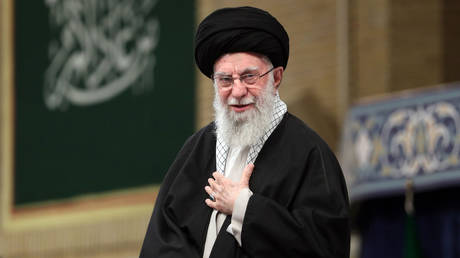
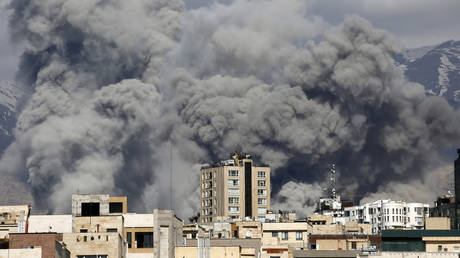
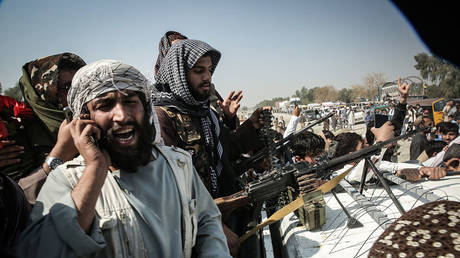
The headlines say "decapitation strike," but the reality on the ground in the Persian Gulf looks a lot less like a surgical procedure and more like a bar fight in a room full of gunpowder. President Trump has signaled that any military campaign against the Iranian regime would be massive, sustained, and designed to end the clerical rule once and for all. We're talking about a "weeks-long" operation, not a "one and done" cruise missile barrage.
But here's the thing: Iran isn't planning to fight the war the U.S. wants. They know they can't win a traditional dogfight or a carrier-to-carrier duel. Instead, they've spent decades perfecting a "last-ditch" blitz strategy designed to make the cost of victory so high that the American public loses its stomach for the fight.
The Underwater Ambush
If you think the U.S. Navy can just sail into the Persian Gulf and park a carrier group off the coast of Bandar Abbas, you're not paying attention. Iran’s naval strategy is built around "sea denial." They don't need a massive fleet; they just need to make the water too dangerous to touch.
Tehran has deployed over 20 Ghadir-class mini submarines. These things are tiny, quiet, and perfect for the shallow, cluttered waters of the Gulf. They're basically "midget subs" designed to sit on the seafloor and wait for a billion-dollar American destroyer to pass overhead. Once they're in position, they use Valfajr torpedoes or high-speed Shkval rocket-torpedoes that move so fast they're nearly impossible to intercept.
Then there are the mines. We aren't just talking about old-school floating spiked balls from World War II. Iran has advanced "smart" mines that can distinguish between a commercial tanker and a military vessel based on acoustic signatures. Thousands of these can be dumped into the Strait of Hormuz in a matter of hours by everything from specialized naval vessels to "civilian" fishing dhows.
Missile Cities and Underground Tunnels
One of the biggest mistakes Western analysts make is assuming we know where all the targets are. Iran has spent the last decade building what they call "missile cities"—massive, hardened underground complexes carved into the mountains along the coast.
These aren't just storage depots. They're fully integrated launch facilities. Recently, the IRGC (Islamic Revolutionary Guard Corps) unveiled underwater missile tunnels. These submerged tubes allow Iran to launch long-range cruise missiles from hidden coastal positions, making it incredibly difficult for U.S. satellites or drones to spot a launch before it happens.
The Saturation Strategy
Iran’s goal isn't necessarily to hit every target with pinpoint accuracy. It's to overwhelm. Their doctrine relies on:
- Swarm Tactics: Using hundreds of fast-attack boats (like the 110-knot Heydar-110) to rush a carrier group simultaneously.
- Drone Waves: Launching "kamikaze" drones like the Shahed-136 in such high numbers that U.S. Aegis systems run out of interceptors.
- Hypersonic Threats: The newly deployed Fattah-2 missile is designed to maneuver at high speeds, specifically to bypass missile defense systems like the Patriot or THAAD.
Trump's "Weeks Not Days" Gamble
The Trump administration is betting that a sustained, weeks-long campaign can "decapitate" the regime by destroying its command and control. Operation Epic Fury isn't just about hitting nuclear sites anymore; it’s about systematic destruction of the IRGC’s ability to govern.
But a longer war gives Iran more time to get lucky. Every day the conflict drags on is another day for a "lucky" Iranian hit on a U.S. base in Qatar or a carrier in the Arabian Sea. Iran has already shown it's willing to strike regional targets, including U.S. installations in the UAE, Bahrain, and Saudi Arabia. They want to turn America's allies against the war by showing them that "hosting" the U.S. military comes with a catastrophic price tag.
What Happens When the Lights Go Out
Don't ignore the internal pressure. Iran is currently dealing with rolling blackouts and a struggling economy. The U.S. strategy assumes that under the weight of "Maximum Pressure" and physical strikes, the Iranian people will rise up and finish the job. Trump has explicitly told the Iranian people that "the hour of your freedom is at hand."
However, the regime’s Basij paramilitary forces are experts at internal suppression. If the "blitz" starts, expect the regime to tighten its grip domestically even as it lashes out externally. They’ll use the "invader" narrative to consolidate power, at least in the short term.
The Economic Weapon
The real "last-ditch" move isn't a missile; it's the price of oil. By attacking tankers or mining the Strait of Hormuz, Iran can send global energy markets into a tailspin. Even a temporary closure of the Strait—which sees one-fifth of the world's oil pass through daily—could double gas prices overnight.
Tehran knows this is their ultimate insurance policy. They're betting that even if Trump wants a weeks-long war, the global economy can't handle a weeks-long spike in oil prices.
To prepare for what's coming, you should keep a close eye on the "tanker war" metrics in the Gulf and the deployment patterns of U.S. carrier groups. The move from limited strikes to "regime change" objectives fundamentally shifts the risk profile of this conflict from a regional skirmish to a global crisis. Keep your emergency plans updated and stay informed on the specific movements of IRGC naval assets near the Strait.