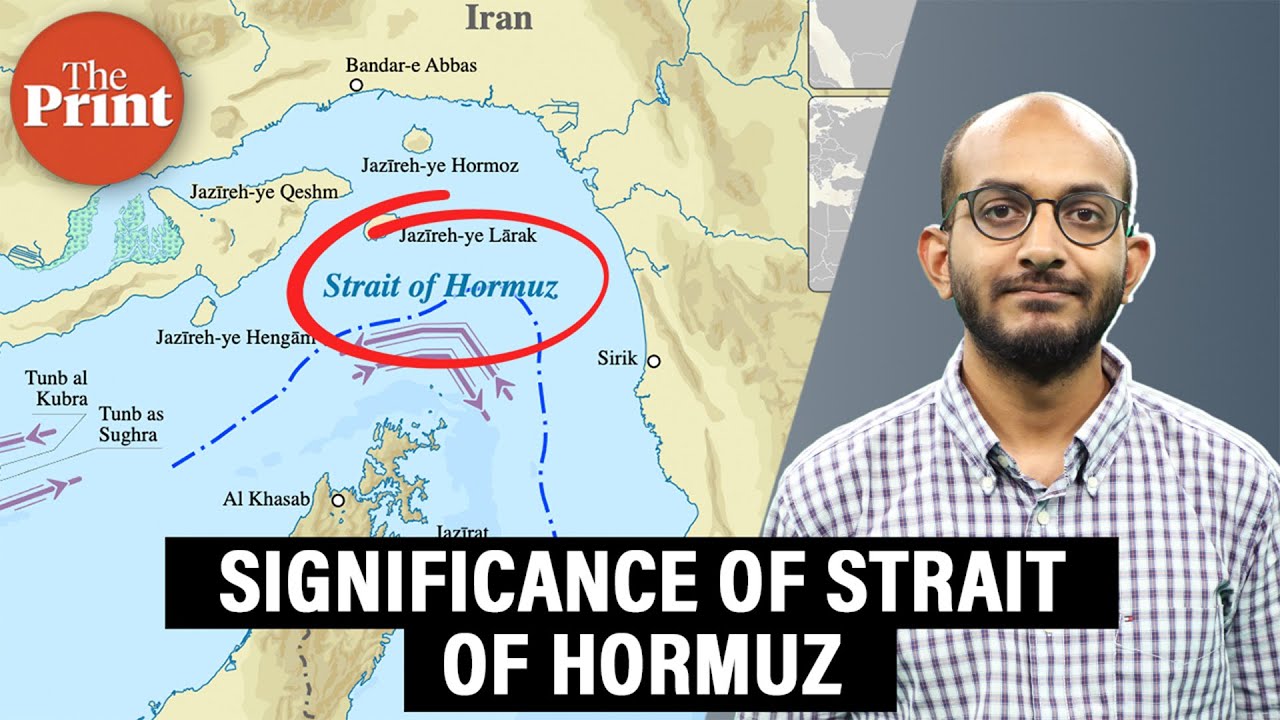
The Islamic Revolutionary Guard Corps (IRGC) just declared that the Strait of Hormuz will henceforth be a "source of security and prosperity." If you’ve been watching the chaos in the Persian Gulf over the last few months, you’ll know that’s a bold claim. It sounds great on paper, but the reality on the water tells a much different story.
This announcement follows a direct order from Ayatollah Mojtaba Khamenei. The plan involves the IRGC Navy exerting strict control over 2,000 kilometers of coastline. They’re calling it a "new order" for the region. But for the shipping companies currently paying millions in "tolls" and the crews dodging drone strikes, it feels less like prosperity and more like a shakedown.
The Reality Behind the New Maritime Rules
Iran’s state media is framing these measures as a way to kick out foreign interference. Khamenei even mocked U.S. military bases as "paper tigers." It's classic rhetoric, but the actual policy change is about asserting ownership over one of the world's most vital chokepoints.
Right now, the IRGC isn't just patrolling. They’re actively forcing merchant ships into Iranian territorial waters. Once there, these ships are hit with massive fees. We aren’t talking about small change either. Some reports from Lloyd’s List suggest vessels are being forced to pay upwards of $2 million just for safe passage around Larak Island.
- Coastline Control: 2,000 km stretching across the Persian Gulf and Gulf of Oman.
- The Toll System: Ships are diverted by fast attack boats and "taxed" to avoid seizure.
- The Power Play: Tehran wants the U.S. to recognize Iranian sovereignty over the entire Strait.
This isn't just about security. It's a revenue stream. Iran is trying to offset the impact of the U.S. naval blockade by monetizing the very waterway they’ve spent months threatening to close.
Why the Global Market Isnt Buying the Security Promise
If the goal was truly regional prosperity, we’d see insurance premiums dropping and traffic returning to normal. Instead, the exact opposite is happening. The Strait of Hormuz is effectively a high-risk combat zone.
Insurance providers have stripped war risk coverage for the area. That makes the economic risk too high for many ship owners to even consider the route. Even with the IRGC promising "security," the memory of the Skylight and the Sonangol Namibe—both hit by projectiles or sea drones recently—is too fresh.
I’ve talked to maritime experts who say the "new rules" are basically a formalization of the gray-zone tactics Iran has used for years. By demanding tolls and dictating who can pass, they’re trying to create a "pay-to-play" system for global energy trade. It’s a brilliant move for Tehran's treasury, but it’s a nightmare for global inflation.
The Paper Tiger Rhetoric vs. Naval Blockades
Khamenei’s comments about "paper tiger" bases aren’t just for show. They’re meant to signal that Iran believes it has the upper hand despite the U.S. blockade. The U.S. Navy has been interdicting vessels and searching for contraband, but they haven't stopped the IRGC from harrassing commercial traffic near the coast.
The tension is thick. The U.S. says the blockade stays until "freedom of navigation" returns to 2024 levels. Iran says the blockade is a breach of the fragile ceasefire. It’s a classic Mexican standoff, except the people caught in the middle are merchant sailors from India, the Philippines, and beyond.
Honestly, calling this a "source of prosperity" is a stretch. Prosperity requires stability. What we have now is a controlled transit corridor where the rules change based on your flag, your cargo, and how much you're willing to pay.
What This Means for Shipping Next Week
If you're operating in these waters, don't expect the IRGC’s "new measures" to make your life easier. If anything, the bureaucracy of "security" will just add more delays. You’re likely to see more boarding parties and more "inspections" that are really just leverage for negotiations.
- Expect GPS Interference: GNSS disruption is rampant. You need a functional Doppler log and alternative navigation.
- Maintain VHF Watch: The IRGC often issues orders via VHF 16. Ignoring them is a one-way ticket to a "warning shot" in your engine room.
- Prepare for Tolls: Have your legal and financial teams ready. The "permit" system is the new reality.
The IRGC wants to turn the Persian Gulf into an Iranian lake. They’re using the language of "regional destiny" to justify a complete takeover of the shipping lanes. It’s a high-stakes gamble. If it works, they control a fifth of the world’s energy. If it fails, they provoke a response that no amount of rhetoric can stop. For now, the "security" they're offering looks a lot like a monopoly on force.
Stay alert. Watch the AIS signals—or the lack of them. The "new order" is here, and it's expensive.



