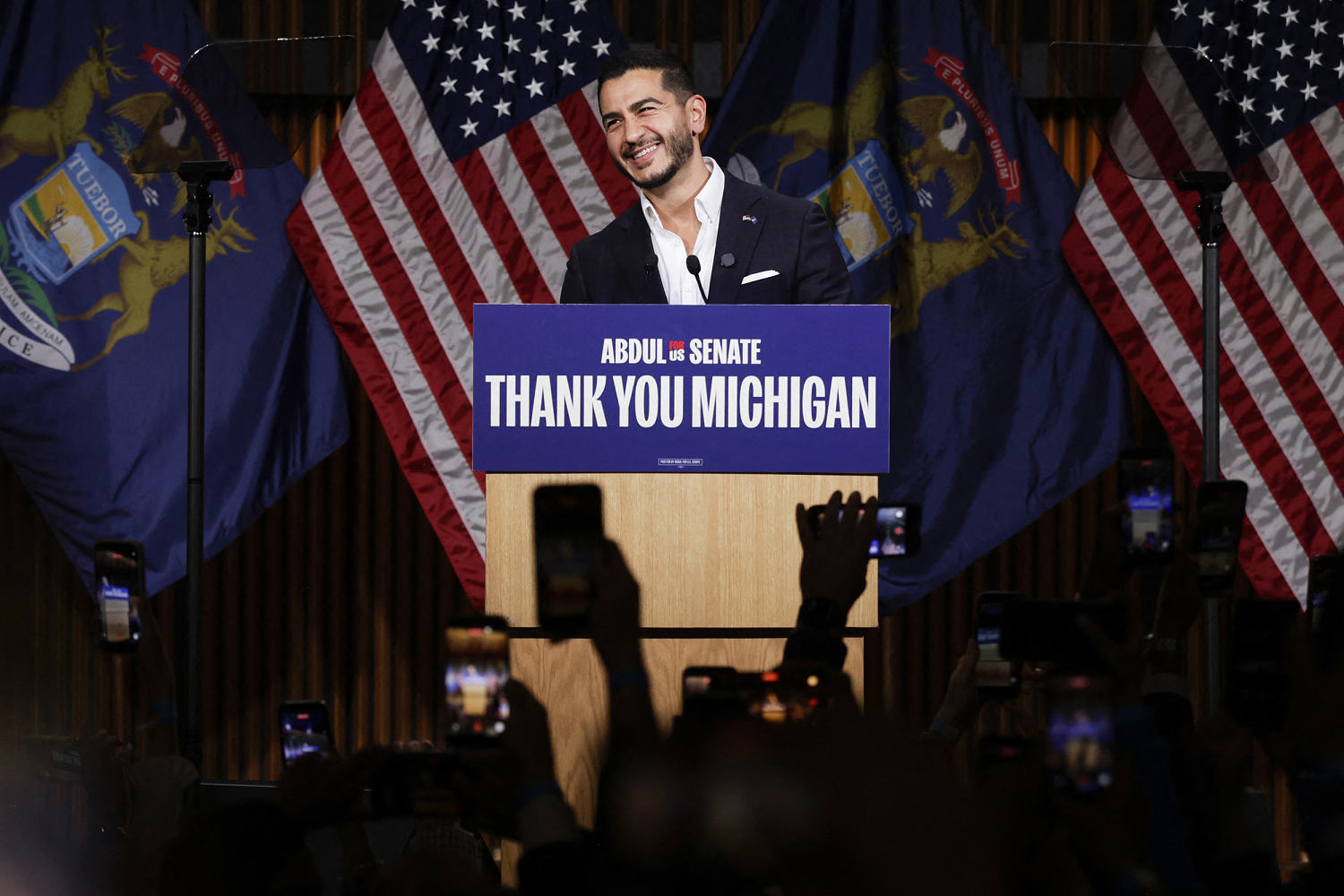
When Iranian Parliament Speaker Mohammad Bagher Ghalibaf jumped on X after the November 2026 midterm elections to declare that Americans had voted "NO TO WAR," plenty of people in Washington rolled their eyes. Dismissing his post as cheap propaganda is easy. Doing that, though, misses why Tehran is suddenly sounding so confident—and why the incoming Democratic Congress faces a massive headache before they even take the gavel.
Here's the blunt reality. Voters did hand Democrats control of both the House and the Senate on November 3. High gas prices, tariff pain, and eight months of grinding military conflict with Iran crushed Republican incumbents across the map. Ghalibaf saw an opening and took it. Yet turning a midterm protest vote into an actual ceasefire in the Persian Gulf isn't as simple as passing a bill.
Why Tehran Is Celebrating the Democratic Sweep
Ghalibaf isn't just the speaker of Iran's parliament. He's also been acting as Tehran's chief negotiator during the conflict that kicked off back in February 2026, when the United States and Israel launched coordinated strikes against Iran. So when he speaks, he's signaling directly to Washington.
In his November 4 post, Ghalibaf wrote that whether driven by "conscience or the cost of living, Americans said NO TO WAR, and we endorse this message". He didn't stop at applause, either. He added a sharp warning that if the U.S. government ignores its own voters to serve "international paymasters and blackmailers," Washington will learn that Iran's "NO comes with a Nightmare".
Iranian officials are reading American domestic politics like a ledger. They watched how quickly the conflict drove up global energy costs. Right now, the U.S. naval blockade and ongoing tension around the Strait of Hormuz have choked shipping lanes and rattled markets. Tehran knows American voters hate paying more at the pump and the grocery store. By framing the Democratic landslide as an anti-war mandate, Ghalibaf is trying to box the White House in before indirect talks—currently running through Qatari mediators—enter their next round.
What Voters Actually Rejected on November 3
Did Americans really go to the ballot box to endorse Tehran's worldview? Obviously not.
If you look closely at what drove the November 3 wave, kitchen-table economics did most of the heavy lifting. Voters were furious about everyday expenses. Aggressive tariffs had already pushed consumer prices up, and then the February strikes on Iran sent fuel costs climbing even higher. When people feel squeezed every time they fill their tank, they punish whoever holds the White House.
Still, war fatigue played a real, undeniable role. President Donald Trump campaigned for years on avoiding endless foreign entanglements. Entering an open-ended military confrontation alongside Israel alienated chunks of his own coalition while uniting anti-war progressives and independent voters against GOP candidates. Iranian spokesperson Tabatabaei went even further after the results came in, claiming that U.S. backing for Israeli operations in Gaza and the conflict with Iran handed Republicans "the greatest defeat in the history of American elections". That's heavy spin from Tehran, of course, but it taps into a genuine fracture in American politics.
The Constitutional Trap Waiting for Democrats
Now comes the hard part for the winners. Millions of voters expect the new Congress to pull the plug on the Iran conflict the moment lawmakers are sworn in. Anyone who has watched Capitol Hill foreign policy fights knows it almost never works that cleanly.
In June 2026, even when Republicans still ran both chambers, Congress passed a concurrent resolution calling for an end to the conflict. Sounds dramatic, right? It had zero legal teeth. Concurrent resolutions don't go to the president's desk and can't force troop withdrawals or halt naval blockades.
Why a War Powers Resolution Isn't a Magic Wand
Once Democrats take control of the House and Senate in January 2027, they can pass a binding War Powers Resolution directing Trump to end unauthorized hostilities. Presumptive House Speaker Hakeem Jeffries has already promised to push one aggressively to take the fight straight to the Oval Office.
Here is the catch. The president will almost certainly veto it. Overriding a presidential veto requires a two-thirds supermajority in both the House and the Senate. Democrats won clear majorities, not veto-proof supermajorities. Even if a resolution somehow cleared that bar, presidents from both parties have spent decades arguing that the 1973 War Powers Resolution infringes on their constitutional authority as Commander-in-Chief.
The Real Fight Is Over Money
If resolutions can be vetoed or ignored, what actually stops a president from waging war? Cutting off the cash.
Congress holds the power of the purse, and that fight is already erupting during the lame-duck session ahead of the December 11 government funding deadline. Look at how the battle lines are forming right now:
- Progressive pushback: Lawmakers like Reps. Ro Khanna and Yassamin Ansari, along with several Senate Democrats, have vowed to oppose any spending package that doesn't explicitly ban funds for offensive operations against Iran.
- Leadership hesitation: Despite promising to end the war, Hakeem Jeffries recently told The Atlantic that he doesn't support cutting off funding for U.S. operations in the Gulf, arguing instead for a negotiated cessation of hostilities.
- Pentagon pressure: Defense officials are warning that military funding needs are growing urgent, while Trump's broader budget proposal asked for a massive 44 percent jump in military spending to $1.5 trillion—a figure dead on arrival on Capitol Hill.
That split inside the Democratic caucus gives the White House room to maneuver. Republicans want to lock in full-year defense appropriations before handing over power in January, while Democrats want a short-term stopgap bill so they can control the purse strings in 2027. Nobody wants to own a government shutdown right before the holidays, which means compromise—not an instant cutoff—is the most likely outcome this winter.
How to Watch the Next Phase Without Getting Played by Spin
Both Washington and Tehran are running heavy information campaigns right now. If you want to track whether this conflict is actually winding down or just entering a stalemate, ignore the tweets and watch three concrete indicators over the next eight weeks:
- The December 11 appropriations text: Skip the press conferences and read the actual riders attached to the year-end funding bill. Unless you see explicit statutory language barring funds for offensive strikes or naval blockades in the Persian Gulf, U.S. military posture won't change overnight.
- Strait of Hormuz shipping and Qatari backchannels: Tehran has made it clear that reopening maritime traffic depends on Washington lifting its naval blockade. Watch for quiet maritime de-escalation signals coming out of Doha rather than loud speeches from Ghalibaf.
- Brent crude and domestic retail gas prices: Energy markets price in geopolitical risk faster than politicians admit defeat. If traders believe Congress will force a de-escalation in early 2027, oil futures will drop weeks before any formal truce gets signed.
Ghalibaf wants the world to believe American voters handed Iran a diplomatic victory on November 3. They didn't. Americans voted against high prices and endless entanglement, leaving Congress with the messy, unglamorous job of turning that anger into binding law.