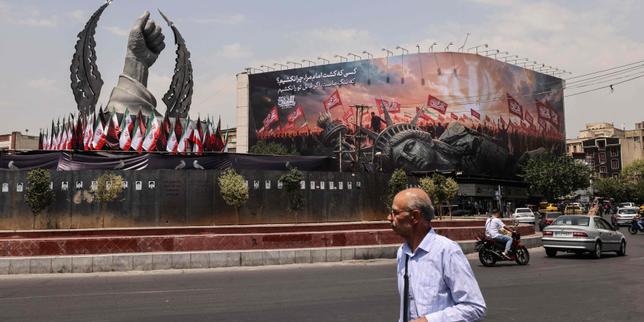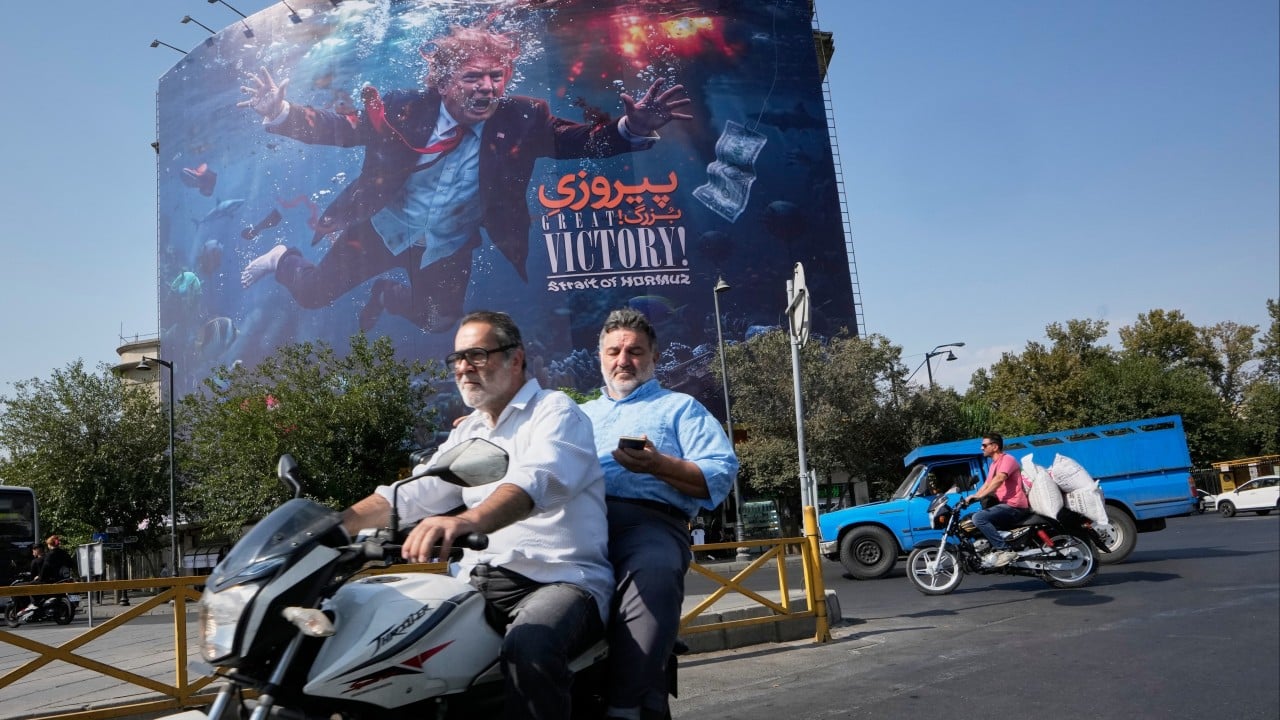
Six months vanish. No public sightings. No televised addresses from a podium. Iran’s supreme leader, Ayatollah Ali Khamenei, has effectively dropped out of sight since the regional war ignited, operating from deep within the shadows while his administration absorbs massive geopolitical blows.
If you're watching Middle Eastern politics, you know this isn't just about one aging cleric missing a photo-op. It's a calculated survival strategy that exposes just how fragile Tehran's leadership feels right now. Security protocols tightened to an absolute extreme. Communications restricted. The clerical establishment is terrified of infiltration, leaks, and precision strikes.
You don't hide your top decision-maker for half a year unless you're genuinely worried about losing him.
The Silence at the Top
Khamenei’s prolonged absence completely alters how the Iranian state functions on a day-to-day basis. When the supreme leader steps back, power doesn't just evaporate. It pools among military hardliners, specifically the Islamic Revolutionary Guard Corps.
Think about it. A vacuum opens up at the highest level of religious authority. The military fills that vacuum. Operational commanders take the reins of strategic planning because waiting for an edict from a bunker slows down a war machine that needs to move in seconds, not days.
This shift matters. Clerics care about regime preservation through ideological control. Generals care about missile trajectories, proxy networks, and immediate deterrence. By staying out of the public eye, Khamenei has accidentally accelerated the militarization of the Iranian state.
What the State Media Hides
State-run outlets in Tehran work overtime to project an image of business as usual. They push edited clips, old archive footage, and carefully curated readouts of meetings that may or may not have happened last week.
Don't buy it.
Real power doesn't need constant theatrical reassurance. When leaders vanish during active hostilities, it's panic disguised as prudence. Analysts tracking regional intelligence note that the inner circle shrank dramatically over the last six months. Decision-making authority collapsed down to a tiny handful of trusted security chiefs.
This hyper-centralization creates massive blind spots. When dissent or bad intelligence flows upward through terrified subordinates, the guy at the top only hears what his guards want him to hear.
Succession Pressures Behind Closed Doors
Age and health always shadowed Khamenei, but the current conflict put succession planning on hyperspeed. At 87 years old, the supreme leader isn't just fighting a war against external enemies. He's fighting time.
The Assembly of Experts theoretically chooses the next leader, but the real selection happens in the back rooms where military weight dictates terms. Whispers around Tehran point toward loyalist hardliners who would steer the country toward even more confrontational foreign policies if a transition happens abruptly under fire.
The longer Khamenei stays hidden, the more institutional muscle the military builds. When a successor finally steps forward, they might just be a figurehead for a junta of generals who actually hold the keys to the nuclear facilities and the missile silos.
Reading the Signals
Watch the proxy networks, not the state TV broadcasts. When Tehran loses control of a regional ally or shifts its rhetoric at the United Nations, those are the real indicators of how insulated Khamenei's bunker really is.
If you want to understand where this is heading, stop looking for a grand speech or a dramatic return to the public eye. The supreme leader has chosen invisibility to stay alive, and that choice tells you everything you need to know about the current state of the regime.