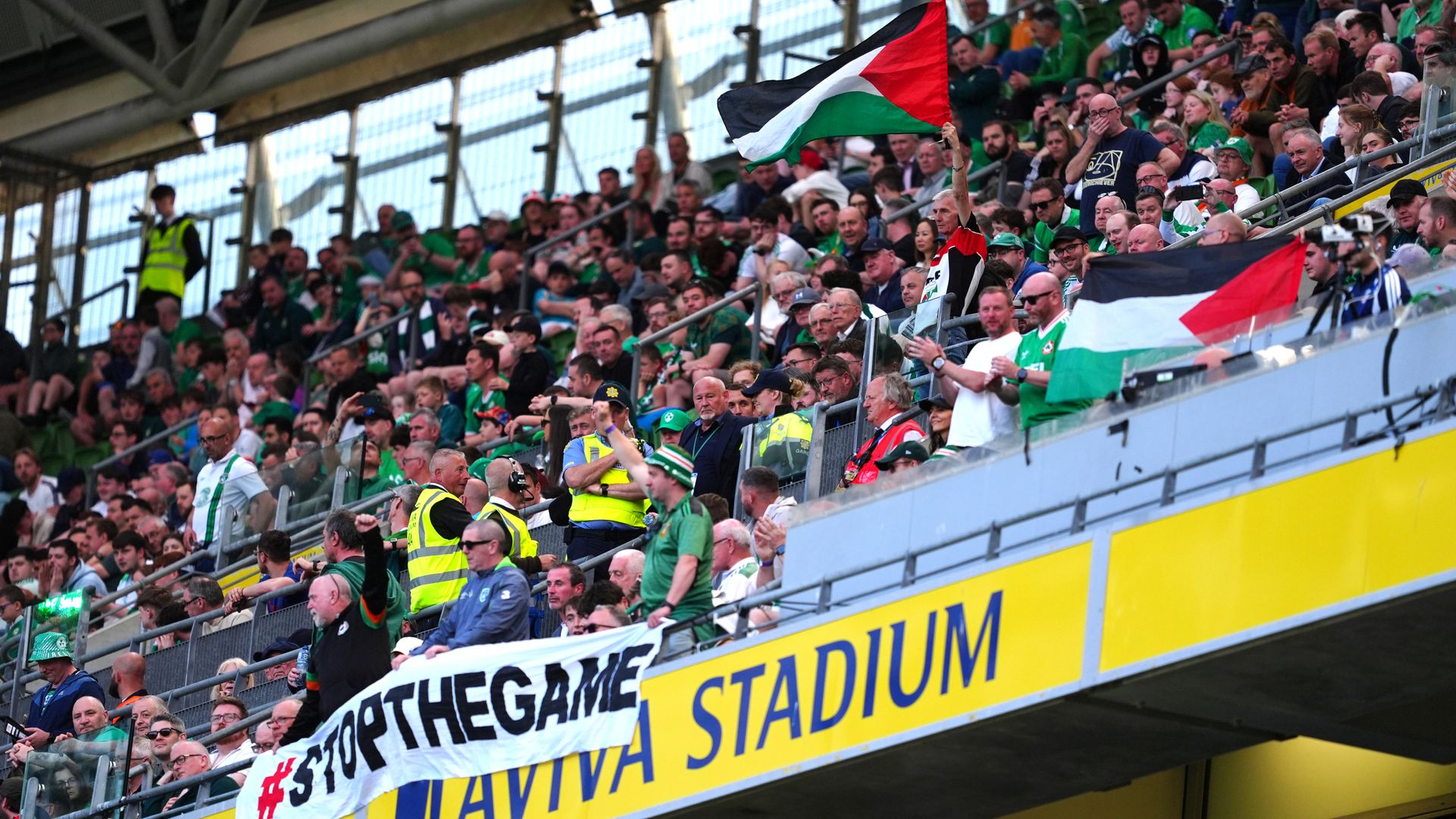
International football rarely stays contained within the white lines of a pitch. When geopolitical tensions collide with competitive sports, administrators face impossible balancing acts. The decision regarding the UEFA Nations League fixtures between the Republic of Ireland and Israel forced football governing bodies to navigate heavy political pressure while keeping the tournament alive.
The core question fans were asking wasn't just about tactical lineups or group standings in Group G. Everyone wanted to know if political boycotts or safety concerns would force cancellations. Instead of scrapping the fixtures, the Football Association of Ireland (FAI) and UEFA locked in neutral venues.
Neutral Grounds and Geopolitical Realities
Hosting international matches requires absolute guarantees on security and fair play. Because of ongoing conflicts in the Middle East, Israel's national teams were directed to play their designated home fixtures outside domestic borders.
For the September encounter, the match took place at the Nagyerdei Stadion in Debrecen, Hungary. Weeks later, the return fixture hosted by Ireland was moved to the TSC Arena in Bačka Topola, Serbia. Moving matches away from traditional home stadiums changes the entire dynamic of international competition. Teams lose the roar of their home supporters, travel fatigue increases, and logistical hurdles multiply.
Yet, UEFA regulations are strict. Refusing to fulfill a fixture carries severe sporting sanctions, including heavy fines and potential disqualification from future tournaments. Players and coaching staff found themselves answering tough questions in press conferences about sports diplomacy rather than formations.
On-Pitch Drama Overshadowed by Off-Field Tensions
When the whistle finally blew in Debrecen, the Republic of Ireland delivered a dominant performance, securing a 3-0 victory. Troy Parrott, Adam Idah, and their teammates controlled the tempo against an Israeli side that struggled to find rhythm away from home.
However, the build-up and the match itself weren't without controversy. Reports surfaced regarding hostile atmospheres and targeted abuse directed at players, forcing managers and sports federations to address social conduct publicly. Ahead of the subsequent fixture in Serbia, Irish manager Heimir Hallgrimsson confirmed that the team would handle protocol respectfully, emphasizing that sports should remain a platform for competition rather than division.
The reverse fixture in October ended in a hard-fought 1-1 draw, with Troy Parrott converting a penalty before Dor Peretz equalized for Israel. By the time both teams completed their Group G commitments, the focus shifted back to the pure mathematics of qualification and squad depth.
What This Means for Future Fixtures
The handling of these UEFA Nations League matches sets a clear precedent for how European football will manage security crises moving forward. Neutral venues are far from ideal for players, fans, and governing bodies, but they keep the competition functioning when direct travel is deemed unsafe.
If you're following international football tournaments, expect neutral-site arrangements to remain common whenever geopolitical flashpoints threaten fixture schedules. Teams must adapt quickly to strange stadiums, empty seats, and high-pressure environments where the real contest happens long before kickoff.