Picture a 400-foot cargo ship leaving Ireland's River Shannon estuary. It isn't carrying Irish whiskey or dairy. Its hold is packed with chalky white alumina powder headed straight for St. Petersburg. Almost five years into Russia's full-scale invasion of Ukraine, that exact trade route remains completely legal.
Brussels has rolled out 21 separate sanctions packages since 2022. European lawmakers banned the sale of finished aluminum to Moscow long ago. Yet the raw chemical ingredient needed to smelt that exact metal still flows freely out of County Limerick.
Honestly, the whole arrangement exposes the messy collision between European industrial survival and wartime ethics. Dublin faces intense diplomatic heat to shut the pipeline down, especially while holding the rotating presidency of the Council of the European Union in the second half of 2026. Still, the shipments keep moving.
What Alumina Actually Does in Modern Warfare
Most people hear "alumina" and think about everyday consumer goods. They're not wrong. Factories use aluminum oxide to make toothpaste, lipstick, beer cans, and medical devices.
Once smelted into pure aluminum and alloyed with rarer metals, though, that harmless white powder becomes the structural backbone of modern weapons. It's lightweight. It resists extreme heat. It flexes under massive aerodynamic stress without snapping.
Russian defense manufacturers rely on those exact aluminum alloys to build airframes for fighter jets, casings for ballistic and hypersonic missiles, and chassis components for Shahed-style attack drones. Aluminum powder also serves as a high-energy additive in solid rocket propellants and military explosives.
You can't build a modern aerial arsenal without it.
How the Aughinish Refinery Became So Critical to Moscow
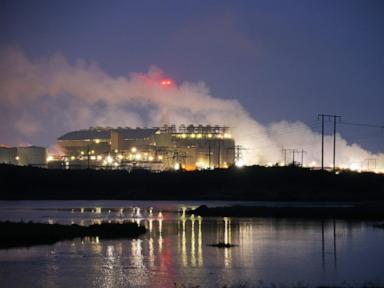
Built in the 1970s along the Shannon Estuary in County Limerick, the Aughinish Alumina plant is the largest refinery of its kind in Europe. It imports red bauxite ore by sea—mostly from Guinea, Australia, and China—and refines it into alumina using the chemical Bayer process.
In 2007, Russian aluminum giant Rusal bought the facility. Russian oligarch Oleg Deripaska founded Rusal and still holds a major stake in the company. Both the United States and Australian governments state that Rusal produces virtually all of Russia's domestic aluminum.
Before 2022, Aughinish was just one piece of Rusal's global supply network. Then the war changed the math overnight.
Following the invasion of Ukraine, two massive alumina sources—the Nikolaev refinery in Ukraine and a major joint-venture operation in Australia—stopped supplying Russia. According to a 2026 assessment by the Economic Security Council of Ukraine (ESCU), those losses slashed Russia's alumina supply by roughly 40%.
Suddenly, a quiet industrial plant in rural western Ireland became an irreplaceable lifeline for Moscow. ESCU analysts estimate that Ireland now provides around 17% of Rusal's total alumina supply.
Tracing the Supply Chain From Limerick to the Front Lines
Aughinish Alumina's management insists its operations are clean. Company statements maintain that the refinery's output has zero connection to the Russian military supply chain, noting that an independent firm conducts monthly audits for Irish authorities to guarantee traceability.
On paper, that sounds reassuring. In practice, tracking bulk commodities inside Russia's wartime economy is nearly impossible.
Investigations published in 2026 by the Organized Crime and Corruption Reporting Project (OCCRP) alongside The Irish Times and Euromaidan Press mapped out where that metal actually goes. Cargo vessels like the Karin haul hundreds of thousands of metric tons of Aughinish alumina to the port of St. Petersburg. Between March and October 2026 alone, advocacy group Alumina 22 tracked nearly 491,307 metric tons moving from Ireland to Russia.
Once the powder reaches Russian smelters, Rusal turns it into primary aluminum ingots. From there, researchers traced shipments to Moscow-based metals trader ASK LLC.
Since 2022, over 100 Russian defense-sector enterprises have bought aluminum directly from ASK LLC, including at least 40 defense contractors already blacklisted by EU sanctions. As ESCU analytics director Olena Yurchenko put it, virtually everything coming out of Rusal stands a high probability of reaching Russian military factories.
Why Brussels and Dublin Haven't Pulled the Plug
If the paper trail leads straight to Russian missile plants, why hasn't the European Union banned alumina exports?
The answer comes down to three uncomfortable realities that politicians rarely explain in plain English.
1. Europe's Own Industrial Dependence
Alumina isn't just vital to Moscow. It's officially classified by Brussels as a critical raw material for the European Union itself. European automakers, aerospace firms, food processors, and medical device manufacturers depend on steady domestic refining.
Because Aughinish is Europe's biggest alumina producer, sanctioning Rusal's Irish subsidiary could trigger immediate feedstock shortages and price spikes across continental smelters. Commodity analysts estimate that disrupting Aughinish's output could drive up European primary aluminum production costs by $30 to $80 per metric ton.
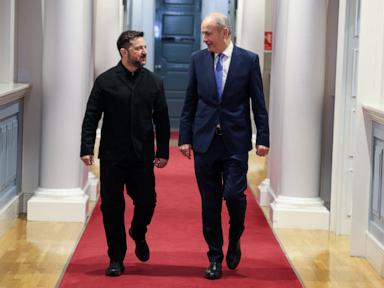
Taoiseach Micheál Martin warned in May 2026 that slapping unilateral or poorly designed sanctions on the plant would be "self-defeating," arguing it would hurt Europe's economy far worse than Russia's.
2. Local Jobs and Ireland's Power Grid
Walk through the windswept port town of Foynes next to the refinery, and geopolitics collides head-on with household bills.
Aughinish employs roughly 460 full-time staff alongside hundreds of local contractors and dockworkers. In a rural part of County Limerick, losing that payroll would devastate the regional economy.
There's also an energy catch most outside observers miss. The Aughinish facility operates a massive combined heat and power plant that feeds electricity directly into Ireland's national grid—enough to power roughly 200,000 Irish homes. Shutting the refinery down abruptly wouldn't just cost jobs. It would punch a serious hole in Ireland's electricity generation capacity.
3. The Unanimity Trap in EU Sanctions
Ireland can't simply ban the exports on its own without violating EU single-market trade rules. Trade sanctions are set at the bloc level by the European Commission and require unanimous approval from all 27 EU member states.
In July 2026, the European Parliament passed a non-binding resolution—backed by several Irish MEPs—demanding an immediate ban on alumina exports to Russia. Yet when EU leaders adopted their 21st sanctions package later that month, alumina was left off the restricted list.
Irish Enterprise Minister Peter Burke confirmed that his department launched an investigation into whether Aughinish's supply chain is being concealed, handing preliminary findings to the European Commission. Until Brussels drafts a formal restriction and convinces all 27 capitals to sign off, customs officials in Limerick have no legal basis to stop ships from loading.
What Needs to Happen to Close the Loophole
Pretending that monthly paper audits stop bulk commodities from entering Russia's military-industrial complex doesn't work. Once alumina crosses into St. Petersburg, western regulators lose all visibility over which smelter melts it or which defense contractor buys the finished alloy.
Closing this loophole without wrecking Ireland's power grid or starving European manufacturers requires targeted policy shifts rather than blunt shutdowns.
- Add alumina to the EU dual-use and restricted goods list. Brussels already prohibits exporting finished aluminum and specific chemical precursors to Russia. Extending that ban to raw alumina closes the upstream gap.
- Establish EU-backed offtake agreements for European smelters. If Aughinish can no longer ship 50% or more of its output to Russia, European industrial buyers need guaranteed contracts and temporary tariff relief to absorb that surplus capacity inside the single market.
- Ring-fence the power plant from ownership disputes. If Rusal refuses to redirect sales away from Russia, Dublin and Brussels have precedent from other European energy assets—such as Germany's trusteeship over Rosneft refineries—to place strategic infrastructure under temporary state administration so local workers stay employed and the 200,000 homes connected to its grid keep their lights on.
- Enforce strict end-user verification on third-country traders. Even if direct ships to St. Petersburg stop, traders often reroute cargoes through intermediary ports. Customs authorities must require full chain-of-custody bonds before any vessel clears the Shannon Estuary.
The cargo ships leaving County Limerick aren't breaking current European law. That's precisely the problem—until Brussels updates the rules, Europe's biggest alumina refinery will keep feeding the exact industrial machine its own sanctions were designed to stop.