Salt spray freezes against the steel hull of an oil tanker drifting through choppy gray waters far off the coast. Thousands of miles away, in a room paneled in dark wood and lit by the glow of television screens, pieces of paper are signed, and ink dries. But here, on the open water, the cost of that ink is measured in dead weight, altered routes, and millions of dollars shifting by the second.
Global trade is often imagined as a neat series of spreadsheets, clean lines drawn across maps in corporate boardrooms. It is not. It is heavy. It smells of bunker fuel, diesel exhaust, and salt. It is driven by men and women staring at radar screens in the dark, wondering if tomorrow morning's news will render their cargo illegal, unprofitable, or stranded. If you found value in this piece, you should read: this related article.
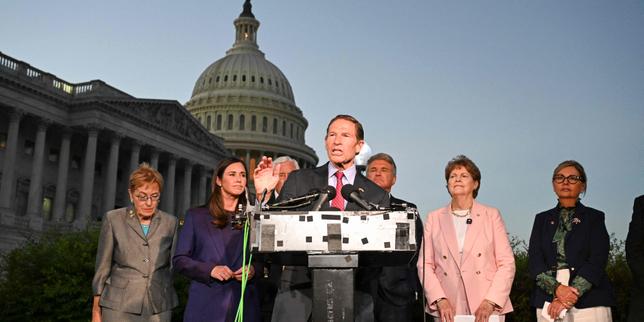
When the United States Congress moves to approve sweeping tariffs targeting the primary buyers of Russian energy, the shockwaves do not stop at legislative walls. They ripple outward, catching every gear of the international machinery. And when Beijing hits back—not with a whimper, but with a calculated wall of countermeasures—the quiet machinery of global commerce stutters.
To understand why this matters, you have to look past the political posturing and into the engine room of the modern world. For another perspective on this story, refer to the recent coverage from The Washington Post.
The Weight of a Barrel
Energy is the oxygen of industrial civilization. Every factory floor, every cargo ship crossing the Pacific, every truck hauling produce through midnight rain relies on a steady, predictable stream of hydrocarbons. When the architecture of that supply chain fractures, everything changes.
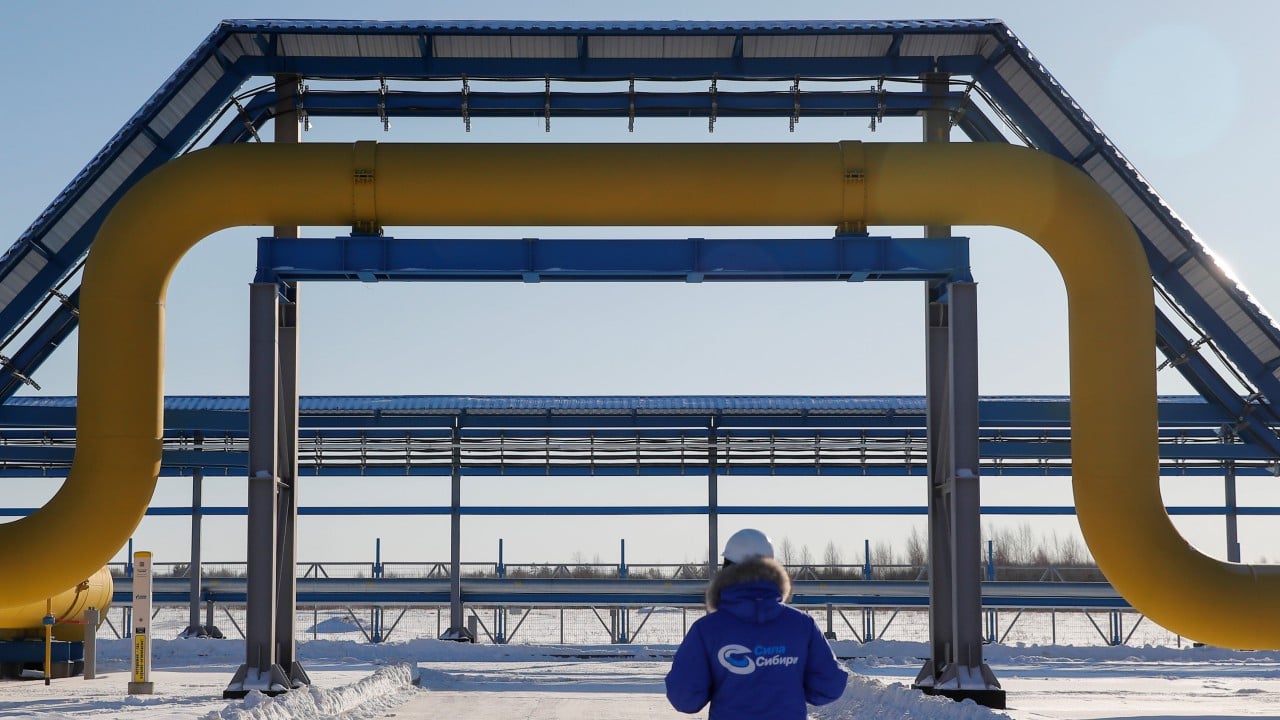
For months, a shadow fleet of tankers has slipped through international waterways. These vessels carry discounted Russian oil, keeping an isolated economy afloat while providing desperate or opportunistic buyers with cheap fuel. It is an arrangement born of necessity and sanctions, a complex dance of shifting flags, darkened transponders, and offshore ship-to-ship transfers.
Then Washington draws a hard line.
The new congressional legislation does not merely express disapproval. It applies financial pressure, penalizing the nations and corporations that continue to feed the Russian treasury by purchasing its energy exports. The message is unmistakable: choose between access to Western financial markets or continued reliance on discounted Russian barrels.
To a superpower like China, however, ultimatums are rarely received in silence.
Beijing views energy security as a matter of national survival. Its massive industrial base, its sprawling cities, and its export-driven economy require an immense, uninterrupted volume of power. When outside actors attempt to dictate who can buy energy from whom, the response is swift and uncompromising. Tariffs meet tariffs. Restrictions meet restrictions. The economic chess board shifts, and the pieces grow heavier.
The Human Toll of the Ledger
Consider a logistics coordinator sitting in a glass-walled office in Shenzhen or Singapore. For years, their job was a complex puzzle of optimization—finding the cheapest route, securing the best contract, keeping margins razor-thin. Now, the rules change overnight.
A contract signed six months ago becomes a legal minefield. A tanker currently plowing through the South China Sea faces a sudden identity crisis: will its cargo be welcomed at its destination, or will it trigger devastating financial penalties that sink the importing firm?
Insurance rates spike. Legal teams work through the night, combing through clauses written in dense, unyielding legalese. Ship captains receive encrypted updates instructing them to alter course, dropping anchor in neutral zones to wait for clarification that may take weeks to arrive.
This is the invisible cost of geopolitical friction. It does not appear immediately on a grocery store shelf or at a local gas pump, but it is there, gnawing at the margins. Every time a supply chain stutters, the cost is absorbed by someone further down the line. Small manufacturers face rising material costs. Shipping firms burn extra fuel idling in waiting patterns. Consumers eventually feel the pinch in the price of everyday goods, wondering why everything suddenly feels a little more expensive, a little more fragile.
The Anatomy of Retaliation
When China hits back against US-backed trade barriers, it does not do so blindly. Its countermeasures are targeted, designed to inflict strategic discomfort while protecting domestic stability. Critical minerals, manufactured components, and agricultural goods often become leverage points in these quiet economic wars.
Imagine a farmer in the American Midwest watching the price of soybeans drop because a vital export market has just erected tariff walls in retaliation. They have never set foot in Washington, and they have never met a trade negotiator. Yet their livelihood is tied directly to the pen strokes of politicians arguing thousands of miles away.
This is the interconnected reality of the twenty-first century. No nation exists in a vacuum. Every action provokes a reaction, a Newtonian law of economics that politicians sometimes forget until the bill comes due.
The United States aims to squeeze Moscow's war chest by cutting off its primary revenue streams. It is a logical strategic goal from a Western perspective. But the execution collides with the stubborn reality of global demand. Energy cannot simply be wished out of existence. If cheap Russian oil is blocked from entering certain ports, it reroutes. It finds new buyers, new middlemen, and new loopholes. And when major economic competitors clash over those flows, the entire global trade system absorbs the shock.
The Shadow Over Tomorrow
We are watching the redrawing of economic boundaries. The era of frictionless, borderless globalization is fracturing into regional blocs, rival alliances, and defensive trade walls.
For decades, the assumption was that commerce would always triumph over conflict—that the invisible hand of the market was stronger than the iron fist of state sovereignty. Recent years have proven that assumption wrong. Politics now dictates trade. Security dictates supply chains.
As these tariffs take effect and retaliatory measures ripple across oceans, the world grows a little more divided. The cost of doing business rises. Trust erodes.
Out on the water, the tanker continues its journey. The captain adjusts the wheel, steering around a storm system brewing on the horizon, unaware of what new rules await him when he finally reaches port. The sea remains vast and indifferent, but the world above it is tightening the knots, one tariff at a time.