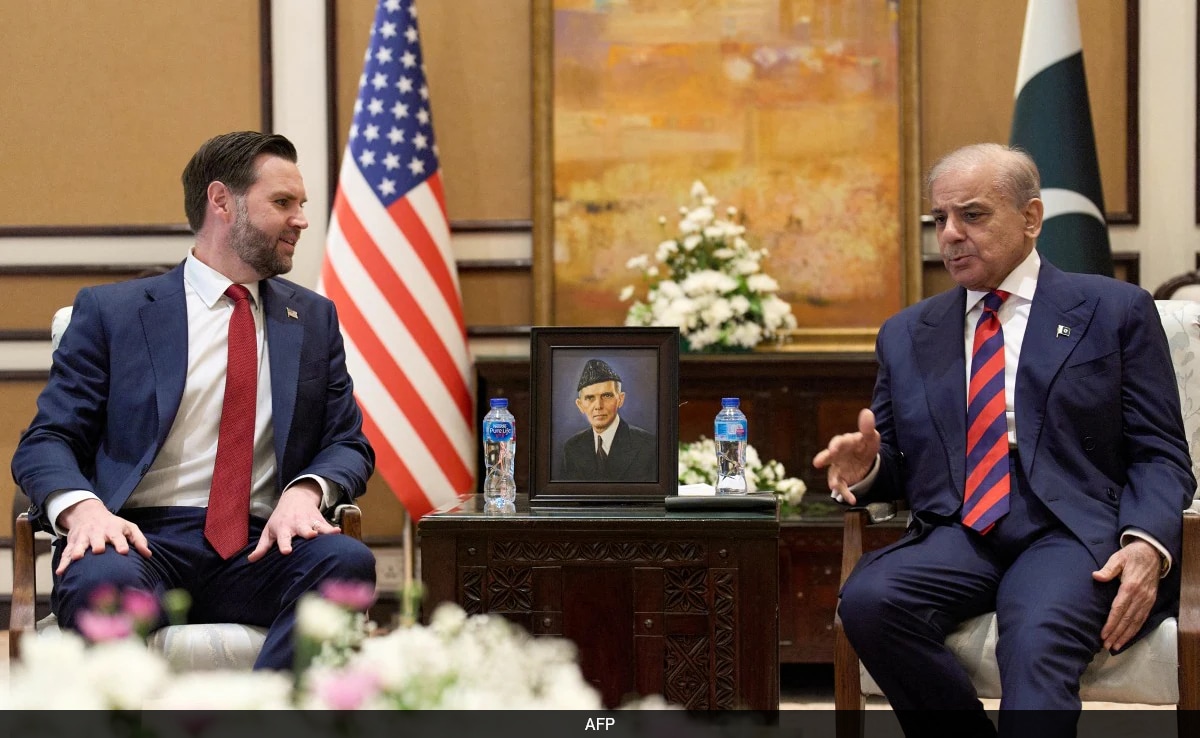
The second attempt to pull the Middle East back from the brink of total collapse is scheduled to take place in Islamabad within the next 48 hours. After a grueling 21-hour marathon session at the Serena Hotel ended in a bitter deadlock last weekend, the Trump administration is signaling a desperate, yet aggressive, return to the negotiating table. The primary objective is to salvage a two-week ceasefire that is currently the only thing preventing a full-scale regional conflagration.
While the competitor press is focusing on the scheduling logistics, the real story lies in the tightening of a global economic noose. The U.S. Navy has already begun blockading Iranian ports following the first round's failure, a move that turned the "ceasefire" into a siege by other means. Washington isn't just looking for a peace deal; they are looking for a controlled surrender of Iran’s nuclear ambitions in exchange for the country’s very survival.
The Architecture of a Deadlock
The previous talks failed not because of a lack of effort, but because of a fundamental clash of "red lines" that decades of diplomacy have failed to smudge. Led by Vice President JD Vance and a tight-knit circle including Jared Kushner, the U.S. delegation demanded a total termination of Iran’s nuclear program and the unconditional surrender of its stockpile of enriched uranium.
Iran’s response, delivered by Parliamentary Speaker Mohammad-Bagher Ghalibaf, was a categorical refusal. Tehran views its nuclear program as its only remaining insurance policy against a regime-change campaign. To give it up while U.S. warships are effectively choking off their oil revenue is, in their eyes, a suicide pact.
The "Islamabad Talks" have introduced a new, volatile variable into the mix: the Strait of Hormuz.
- The Toll System: Iran has been charging "tolls" for passage through the strait, a move the U.S. classifies as extortion.
- The Blockade: In retaliation for the failed Saturday talks, the U.S. has initiated a "liquid blockade," intercepting any vessel that has paid these tolls to Tehran.
- The Energy Crisis: This standoff has sent global oil prices into a vertical climb, squeezing western economies even as the U.S. tries to project strength.
Pakistan’s Dangerous Game of Neutrality
Pakistan has emerged as the unlikely pivot point for this crisis. Field Marshal General Asim Munir and Prime Minister Shehbaz Sharif have navigated a treacherous path, acting as mediators while simultaneously holding a Strategic Mutual Defence Agreement with Saudi Arabia.
Islamabad is not doing this out of pure altruism. The country is facing its own internal energy crisis fueled by the war, and a wider conflict would likely spill over its 900-kilometer border with Iran. By hosting these talks, Pakistan is attempting to prove it can balance its military obligations to the Gulf monarchies with its role as a regional stabilizer.
However, the "limited alignment" strategy is fraying. If the talks in the next two days fail to produce a Memorandum of Understanding, Pakistan may find its neutrality impossible to maintain. The Pakistani Navy’s "Operation Muhafiz-ul-Bahr" is already active, escorting merchant ships and trying to prevent the total disruption of the 90 percent of oil imports Pakistan receives from the Gulf.
The 20-Year vs. 5-Year Gap
The most significant development hidden behind the headlines is the emerging debate over "suspension." Sources close to the negotiations suggest the U.S. has proposed a 20-year total suspension of all Iranian nuclear activities. Iran has countered with a maximum of five years.
This isn't just a disagreement over a timeline. It is a fundamental dispute over the Nuclear Non-Proliferation Treaty (NPT).
The U.S. position has shifted slightly: they are no longer demanding a permanent ban on enrichment, which would allow Tehran to save face by not officially "relinquishing" its rights. But 20 years is a lifetime in Middle Eastern politics. It covers the projected lifespan of the current leadership in both nations. For the Trump administration, a 20-year freeze is effectively a permanent win. For Iran, it is a 20-year window where they remain vulnerable to conventional military strikes without a nuclear deterrent.
The Cost of Failure
If the next 48 hours do not result in a breakthrough, the "ceasefire" officially expires on April 22. The consequences of a return to active hostilities would be catastrophic for the global economy.
Trump has already threatened to destroy Iranian power plants and bridges if the Strait of Hormuz is not opened "free and clear." Iran, meanwhile, has warned that it will retaliate against any Persian Gulf port used by the U.S. military. This would likely bring Saudi Arabia and the UAE directly into the line of fire, triggering the very regional war the Islamabad Talks were designed to prevent.
The "peace" being discussed in the Serena Hotel is fragile, transactional, and heavily leveraged by the threat of total economic ruin. The diplomats are not just fighting for a signature; they are fighting against the clock and the mounting pressure of a world that cannot afford $150-a-barrel oil.
The reality of the situation is that neither side has a clear exit strategy. The U.S. cannot back down without looking weak to its regional allies, and the Iranian regime cannot concede its nuclear program without risking internal collapse from a population already weary of war and economic hardship. Islamabad is the last stop before the guns start firing again.