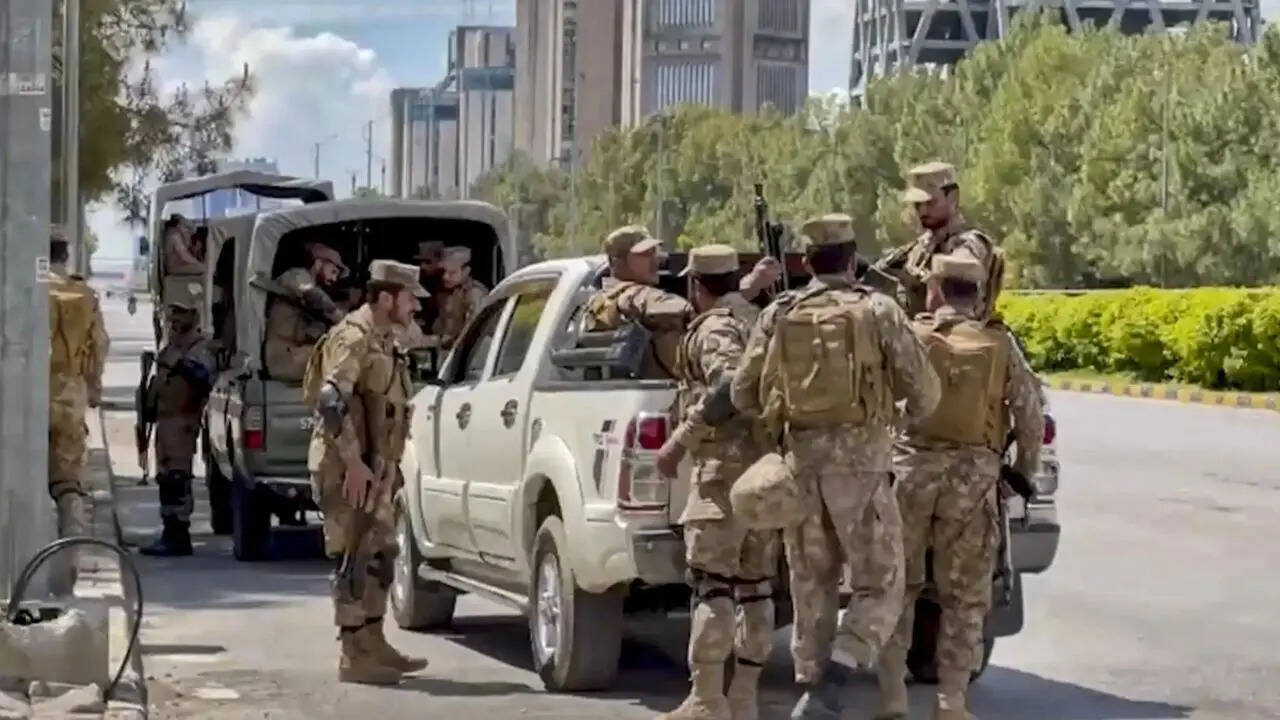
If you're trying to navigate Islamabad this weekend, you're basically out of luck. Pakistan’s capital has transformed into a high-security fortress as the city prepares to host what might be the most consequential diplomatic meeting of the decade. The Serena Hotel, usually a hub for the city’s elite and foreign diplomats, is now the ground zero for direct negotiations between the United States and Iran.
The stakes couldn't be higher. We're looking at a world trying to pull back from the brink of a massive conflict after a two-week ceasefire. Pakistan isn't just hosting a meeting; it's trying to prevent a global meltdown.
The Serena Hotel is now a fortress
The government didn't just add a few guards at the door. They requisitioned the entire Serena Hotel. Every single guest was told to pack their bags and check out by April 8. The hotel is now under total government control until at least Sunday night.
Access to a 3-kilometer zone around the hotel is strictly cut off. If you don't have a very specific set of credentials, you aren't getting anywhere near it. The military has taken over the Red Zone, replacing the usual police presence with heavy-duty security. This isn't just about protecting people; it’s about making sure the first direct talks between Washington and Tehran in years don't get derailed by a single security lapse.
Islamabad is a ghost town
To keep the streets clear and the risk low, authorities declared a two-day public holiday. Schools, colleges, and even the courts are shut down. If you're an employee at a federal ministry, you're working from home. Section 144 is in full effect across Islamabad and Rawalpindi, which means if you're standing in a group of five or more people, you're breaking the law.
The Red Zone perimeter has been stretched thin. It now goes from Zero Point all the way to Faisal Mosque. That’s a massive chunk of the city’s heart—covering Parliament House, the Presidency, and the Diplomatic Enclave—where only official vehicles are allowed. Heavy vehicles are banned from the city entirely.
Who is actually at the table
The guest list for this weekend looks like a who's who of global power players. On the American side, Vice President JD Vance is leading the charge, accompanied by key figures like Steve Witkoff and Jared Kushner. They're landing in a city that’s been scrubbed clean of its usual chaotic traffic.
The Iranian delegation is just as high-level. Speaker of Parliament Mohammad Bagher Ghalibaf and Foreign Minister Abbas Araghchi are the faces of Tehran's negotiating team. There’s even talk of senior Revolutionary Guard figures being in the mix.
Why Pakistan is the chosen ground
Honestly, Pakistan's role here is a massive diplomatic win that few saw coming. A year ago, the country was sidelined. Now, Prime Minister Shehbaz Sharif and Army Chief Field Marshal Asim Munir are the primary facilitators. They pushed for this ceasefire after Donald Trump suggested the possibility of extreme military escalation if Iran didn't blink.
Pakistan has a lot to lose if these talks fail. Anarchy in Iran or a full-scale war on its western border would be a disaster for Islamabad's own fragile stability. By hosting these talks, Pakistan is betting its political capital on being the world’s most important mediator.
The tension behind the scenes
Don't let the "peace talks" label fool you into thinking everyone is playing nice. Iran has made it clear they're coming to the table with "complete distrust" of the American side. Their 10-point proposal includes big demands:
- Withdrawal of all US combat forces from the Middle East.
- Control over the Strait of Hormuz.
- Lifting of all sanctions.
- Release of frozen Iranian assets.
The US and Israel, meanwhile, are keeping their fingers on the trigger. While the ceasefire is holding for now, the US insists that issues in Lebanon are separate from these talks, while Iran sees them as part of the same deal.
What to watch for next
The next 48 hours will decide if the Middle East breathes a sigh of relief or slides back into chaos. If you're in Islamabad, stay off the Srinagar Highway and the Islamabad Highway—they're being closed intermittently for delegation movements.
If you're watching from afar, keep an eye on the official statements coming out of the Convention Centre. Pakistani officials are staying tight-lipped, but with over 50 international journalists on the ground, leaks are inevitable. The immediate goal is simple: survive the weekend without the ceasefire collapsing. If they can manage that, we might actually see a path toward a lasting agreement.