The guns went silent this morning across the border between Israel and Lebanon. It's a fragile, ten-day window meant to give everyone a chance to breathe, but don't let the quiet fool you. This isn't a peace treaty. It’s a high-stakes gamble played out in the mud and rubble of southern Lebanon and the Galilee. After weeks of escalating airstrikes and rocket fire that displaced hundreds of thousands, this short-term truce is a desperate attempt to see if diplomacy has any teeth left.
If you’ve been following the news, you know the cycle. Israel pushes into Lebanese territory to push back Hezbollah. Hezbollah responds with barrages of drones and missiles. The civilians in the middle lose everything. Now, we have 240 hours to see if these two sides can actually agree on a long-term buffer or if they’re just reloading for a bigger fight.
The immediate reality on the ground
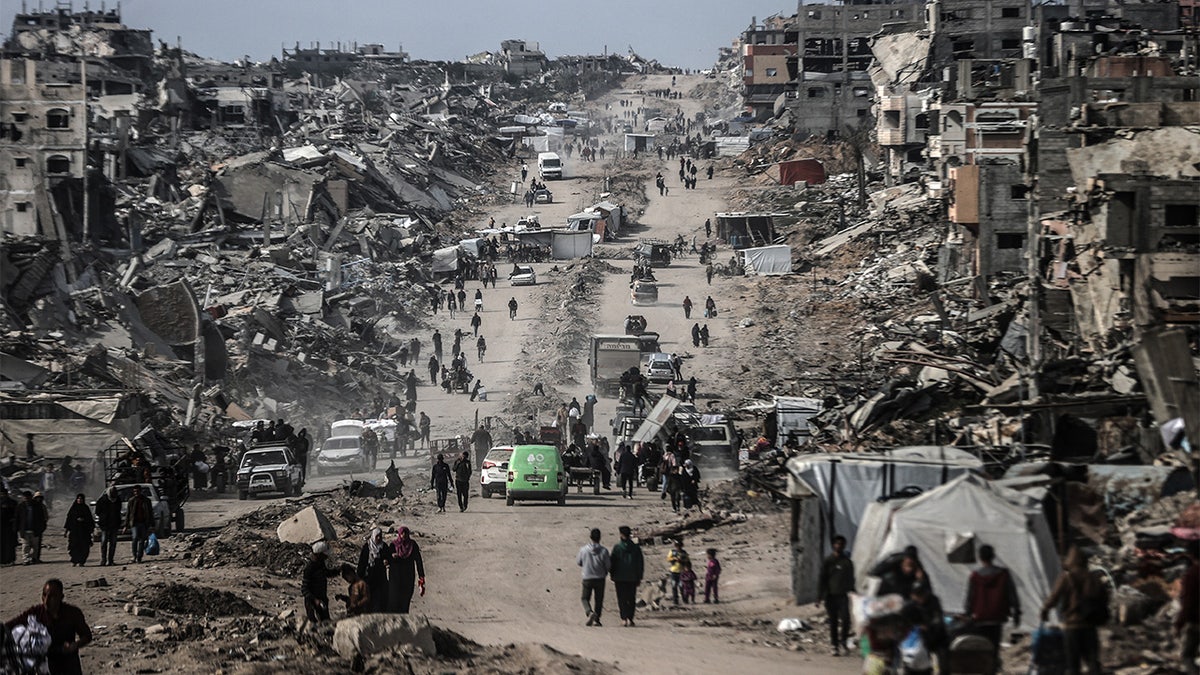
Right now, the silence is heavy. In towns like Kiryat Shmona and Metula, residents aren't rushing back home just yet. They’ve seen these "pauses" fall apart in minutes before. In southern Lebanon, the situation is even more dire. Whole villages are leveled. People are living in cars or crowded schools in Beirut. This 10-day ceasefire is primarily about getting humanitarian aid into places that have been cut off for weeks.
Food, medicine, and fuel are the priorities. Organizations like the Red Cross and various UN agencies are moving convoys as fast as they can. They know the clock is ticking. If a single rocket flies or a nervous soldier pulls a trigger, the whole thing vanishes.
Israel’s objective remains clear. They want Hezbollah pushed north of the Litani River. They’re using this time to solidify their defensive positions while telling the world they’re giving peace a chance. Hezbollah, meanwhile, is likely using the cover to reorganize. It’s a cynical view, sure, but it’s the reality of modern Middle Eastern conflict.
Why ten days is a strange choice for a truce
Usually, you see 48-hour windows or month-long agreements. Ten days is specific. It’s enough time to move significant amounts of hardware and people, but not long enough to actually rebuild anything. This timeline suggests that the mediators—mostly led by the U.S. and France—believe they are close to a bigger deal but need a "proof of concept" first.
Think of it as a trial period. If the border stays quiet for a week and a half, it proves that the chains of command on both sides still have control over their forces. If it fails, it shows that the conflict has spiraled beyond the point where political leaders can stop it.
I’ve seen how these dynamics play out. Peace isn't just the absence of war. It's the presence of trust, and there is zero trust here. Israel is skeptical that the Lebanese Armed Forces can actually keep Hezbollah away from the fence. Lebanon is skeptical that Israel will ever fully withdraw. Both are right to be worried.
The Litani River and the ghost of Resolution 1701
Everything comes back to UN Security Council Resolution 1701. You’ll hear that number a lot. It was the deal that ended the 2006 war. It basically said Hezbollah shouldn't have weapons or fighters between the Israeli border and the Litani River.
The problem? It was never really enforced.
Hezbollah built tunnels. They moved in missiles. They set up observation posts disguised as environmental groups. Israel argues that any new ceasefire is useless unless there’s a real mechanism to make sure the south of Lebanon stays demilitarized.
What the mediators are actually pushing for
- A beefed-up international force with actual power to stop weapons smuggling.
- A guarantee that Israeli civilians can return to their homes without fearing a cross-border raid.
- A path for the Lebanese government to reclaim sovereignty over its own southern territory.
It sounds good on paper. In practice, it’s a nightmare. Hezbollah is part of the Lebanese government. They aren't going to just hand over their guns because a diplomat in a suit asked them to. This 10-day window is the ultimate test of whether the Lebanese state has any real power left or if it’s just a figurehead for the militias.
The human cost nobody talks about enough
Behind the geopolitical chess moves are the people. Over 100,000 Israelis have been living in hotels for months. Their kids are in makeshift schools. Their businesses are failing. In Lebanon, the numbers are even worse. Nearly a million people are displaced. The Lebanese economy was already a total wreck before this started. Now, it’s in freefall.
When we talk about the ceasefire "going into effect," we’re talking about a mother finally being able to go back to her kitchen to see if her house is still standing. We’re talking about farmers checking their olive groves. These aren't just statistics. These are lives on hold.
The psychological toll is massive. Even during a ceasefire, the sound of a low-flying jet or a car backfiring sends people running for cover. You don't just "turn off" that kind of trauma in ten days.
What happens when the clock hits zero
If we reach day eleven and there’s no permanent deal, expect the violence to return with a vengeance. Both sides are prepared for that. Israel has signaled it won't hesitate to expand its ground operation if its security concerns aren't met. Hezbollah has made it clear they’ll keep firing as long as there is an Israeli presence on Lebanese soil.
The international community is exhausted. They’re throwing everything at this 10-day window. If it works, it could be the blueprint for a broader regional de-escalation. If it fails, we’re looking at a long, grinding war of attrition that could drag on for the rest of the year.
How to stay informed without losing your mind
The news cycle around this will be chaotic. You’ll see conflicting reports of "violations" within hours. My advice is to look at the movement of people rather than the words of politicians. If the displaced people start moving back in large numbers, they know something we don't. They’re the best barometer for whether a ceasefire is real.
- Watch for statements from the UNIFIL forces on the border.
- Follow local reporters who are actually in the border towns, not just in Beirut or Tel Aviv.
- Take "unnamed sources" with a grain of salt. Everyone is spinning a narrative right now.
The next ten days will tell us if the Middle East is heading toward a temporary cool-down or a permanent firestorm. Pay attention to the silence. It’s the most important thing happening right now. Regardless of your stance on the politics, the pause in killing is a win, even if it's only for a few days. The challenge now is making it stick.
Keep an eye on the official border crossing statuses and the flight schedules at Ben Gurion and Beirut International. These are the practical indicators of how much risk the commercial world is willing to take. If airlines start resuming flights, the "experts" think the peace might actually hold. If they stay grounded, keep your guard up.