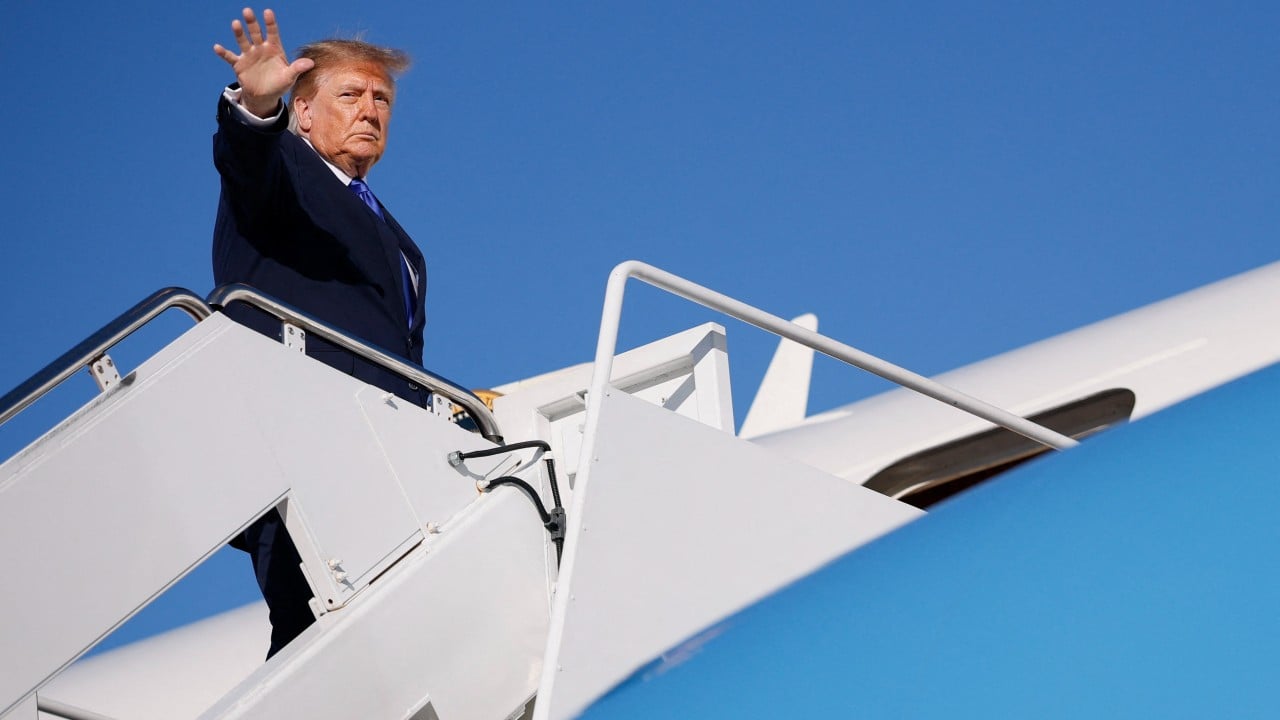
Indonesian President Prabowo Subianto should not pick up the phone to ask Vladimir Putin to stop recruiting Indonesian citizens for the war in Ukraine. While diplomatic pressure from Jakarta is necessary, a direct leader-to-leader plea carries severe geopolitical costs and almost zero probability of halting Russian military recruitment.
Moscow’s manpower pipeline relies on decentralized financial incentives and opaque middlemen rather than direct Kremlin decrees that can be switched off with a handshake. For Prabowo, elevating a consular and legal crisis into a personal presidential request puts Jakarta’s carefully guarded non-aligned foreign policy at risk while offering Putin a diplomatic bargaining chip he does not deserve.
The Architecture of Foreign Recruitment
To understand why a presidential phone call fails as a policy tool, you have to look at how foreign fighters actually end up in Russian trenches. They are rarely abducted off the streets of Jakarta or Surabaya. Instead, they are pulled into a sprawling, semi-privatized recruitment network that exploits economic vulnerability and digital loopholes.
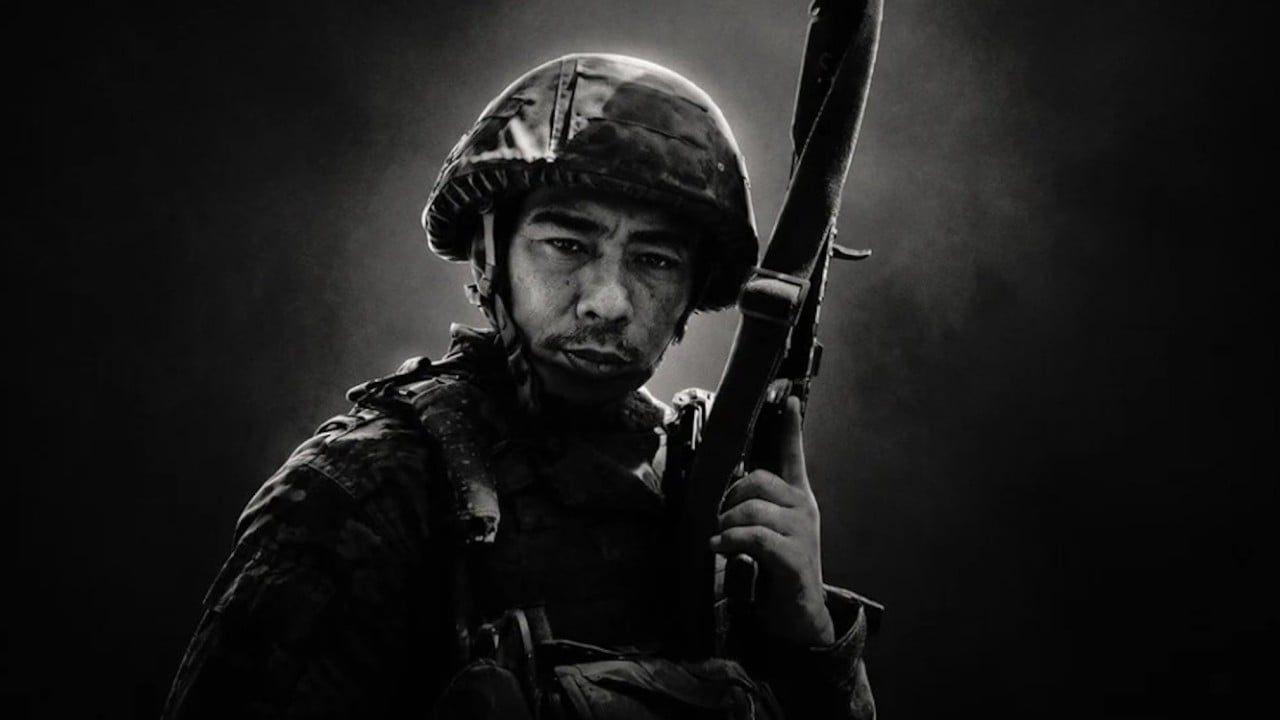
Russia’s Ministry of Defense, alongside state-backed proxy networks, has spent years perfecting a global hiring apparatus. Following the dismantling of the Wagner Group’s independent command structure, Moscow absorbed those recruitment channels directly into its military bureaucracy. The pitch to young men across Southeast Asia, South Asia, and Africa is brutally simple.
Recruiters offer signing bonuses and monthly salaries that dwarf local wages. For an Indonesian worker facing stagnant domestic earnings or predatory loan sharks, a promise of two thousand dollars a month—plus fast-tracked Russian citizenship—looks like a lifeline.
The bait is almost always disguised. Social media channels on Telegram, TikTok, and WhatsApp circulate advertisements for high-paying jobs in Russia. They ask for security guards, construction workers, warehouse staff, and drivers. By the time an Indonesian national arrives in Moscow, signs a contract written entirely in Cyrillic, and realizes they have been enlisted into an assault infantry unit, their passport is gone and their legal options have evaporated.
A phone call from Prabowo to Putin does not dismantle a Telegram channel. It does not arrest a middleman operating out of a third country, nor does it stop desperate men from wiring money to visa brokers who promise them lucrative European work permits.
The Diplomatic Trap of a Presidential Call
In international diplomacy, who makes the call matters just as much as what is said. When a head of state intervenes directly on a specific issue, they immediately elevate that issue to the highest tier of bilateral relations.
Prabowo Subianto built his political brand on strongman pragmatism and active global engagement. Since taking office, he has positioned Indonesia as an assertive middle power capable of talking to Washington, Beijing, and Moscow on equal footing. He has visited Russia, met with Putin, and signaled an openness to deeper defense and economic ties, including Indonesia’s engagement with the BRICS bloc.
That warmth is precisely why a direct plea over mercenary recruitment is a trap.
In the Kremlin, nothing is given for free. If Prabowo asks Putin as a personal favor to halt the recruitment of Indonesians, Putin gains immediate diplomatic leverage. The Russian president can nod sympathetically, promise to "look into the matter," and quietly store that concession away for a future vote at the United Nations, a defense procurement deal, or a joint naval exercise in the Java Sea.
Worse, Putin could simply deny state involvement. Moscow routinely claims that foreign nationals fighting in Ukraine are independent volunteers who signed legal contracts of their own free will. If Putin tells Prabowo that Russia cannot stop free Indonesian citizens from traveling to Moscow and applying for jobs, Prabowo is left empty-handed, having expended presidential capital for a predictable brush-off.
Indonesia’s Legal Reality and the "Bebas Aktif" Doctrine
Indonesia’s foreign policy has been anchored for decades by the principle of bebas aktif—independent and active. Jakarta refuses to join formal military alliances, avoids taking sides in great power conflicts, and prioritizes domestic economic development above ideological crusades.
The war in Ukraine has tested this doctrine repeatedly. Indonesia has voted in favor of UN General Assembly resolutions condemning Russia’s invasion, yet it has refused to join Western sanctions or halt trade with Moscow. Jakarta wants cheap fertilizer, affordable grain, and potential defense technology from Russia without alienating the United States and the European Union.
Reports of Indonesian citizens fighting on both sides of the Ukraine conflict complicate this balancing act. Under Indonesian law, specifically Law No. 12 of 2006 on Citizenship, any Indonesian citizen who enters the service of a foreign military without prior permission from the President automatically loses their citizenship.
The law is black and white. The enforcement is a gray area.
When an Indonesian citizen dies on the front lines in Donetsk, or appears in a Ukrainian prisoner-of-war video pleading for help, Jakarta faces a domestic political headache. Families demand the repatriation of remains or the rescue of their relatives. Human rights groups ask why the government failed to prevent human trafficking.
Yet strictly speaking, the state has limited legal obligation to rescue individuals who violated national citizenship laws by joining a foreign army. If Prabowo turns this into a high-profile presidential crusade, he creates a precedent where the Indonesian state assumes political responsibility for every citizen lured abroad by fraudulent military contracts.
What Other Asian Nations Learned the Hard Way
Indonesia is hardly the first Asian nation to confront the reality of its citizens dying in a European war. Looking at how neighboring countries handled the exact same crisis proves why leader-to-leader intervention rarely produces clean results.
India and Nepal both faced massive recruitment waves over the past two years. In Nepal, hundreds—and by some estimates, thousands—of young men joined the Russian military, driven by high youth unemployment and a long cultural history of foreign military service. Kathmandu initially tried diplomatic protests and banned its citizens from traveling to Russia and Ukraine for work. The recruitment continued through third-country transit hubs like the United Arab Emirates.
India’s experience is even more instructive for Jakarta. Prime Minister Narendra Modi maintains a far closer strategic relationship with Vladimir Putin than Prabowo does. New Delhi relies heavily on Russian oil and legacy military hardware, giving Modi genuine economic weight in Moscow.
When dozens of Indian nationals were duped into fighting in Ukraine, New Delhi raised the issue through diplomatic channels, and Modi eventually brought it up directly with Putin during a summit in Moscow. Putin promised to discharge the Indian nationals and stop further recruitment.
Months later, Indian families were still protesting in New Delhi because their relatives remained trapped on the front lines. The bureaucratic machinery of the Russian military—desperate for bodies to sustain attrition warfare—moved far slower than the Kremlin’s diplomatic promises. Even when Moscow agreed in principle to release foreign fighters, local commanders on the ground ignored discharge orders or delayed paperwork indefinitely.
If Narendra Modi struggled to extract a few dozen Indian citizens from the Russian army despite massive economic influence over Moscow, Prabowo Subianto should have no illusions about what a phone call from Jakarta will accomplish.
The Domestic Failure Behind the Crisis
Focusing on Vladimir Putin allows Indonesian officials to externalize a problem that starts at home. Foreign recruiters do not operate in a vacuum; they exploit systemic weaknesses in Indonesia’s own labor export and immigration frameworks.
Indonesia is one of the world’s largest exporters of migrant labor. Millions of Indonesians work abroad as domestic helpers, construction workers, factory hands, and seafarers. Alongside legal, government-monitored placement agencies sits a massive underground economy of illegal labor brokers, known locally as calo.
These brokers thrive on bureaucratic friction. Obtaining legal overseas work permits takes time, money, and paperwork. An illegal broker promises a fast track, handles the passport, buys a tourist visa, and puts the worker on a plane.
When Russian recruitment networks want Southeast Asian manpower, they simply plug into these existing illegal labor pipelines. The same syndicate that traffics workers into scam compounds in Cambodia or illegal plantations in Malaysia can easily route young men to Moscow via Dubai, Doha, or Istanbul.
Stopping this flow requires aggressive domestic policing, not foreign policy grandstanding.
Tightening the Border and Digital Controls
Indonesia’s Ministry of Foreign Affairs, the Ministry of Manpower, and the Directorate General of Immigration hold the actual tools to disrupt this pipeline.
First, immigration authorities at major international hubs like Soekarno-Hatta Airport must tighten screening for young male travelers holding single-entry tourist visas to Russia or common transit states without verifiable return tickets, hotel bookings, or financial means. Profiling travelers carries the risk of inconveniencing legitimate tourists, yet Indonesian immigration already applies strict scrutiny to suspected illegal migrant workers heading to the Middle East. Extending that same rigor to high-risk conflict transit routes is an immediate, practical step.
Second, Indonesia’s Ministry of Communication and Digital Affairs regularly blocks thousands of websites and social media accounts linked to online gambling and pornography. Turning that exact same censorship and takedown apparatus toward Russian military recruitment channels operating in Bahasa Indonesia would cut off the primary marketing funnel before a single visa is ever applied for.
Third, the Indonesian National Police need to prosecute domestic brokers under existing anti-human trafficking laws. When a recruiter promises a warehouse job in Moscow and delivers a trench in eastern Ukraine, that is textbook trafficking in persons. Arresting the local facilitators sends an immediate deterrent signal that diplomatic notes from Moscow will never achieve.
The Right Diplomatic Channel
Rejecting a Prabowo-Putin phone call does not mean Jakarta should stay silent. Diplomacy works best when calibrated to the exact scale of the problem, keeping the pressure on Moscow without handing the Kremlin a high-level propaganda victory.
The appropriate channel is the Ministry of Foreign Affairs (Kemlu) and the Indonesian Embassy in Moscow. Indonesia’s diplomats have a strong track record of quiet, persistent consular work in conflict zones, from evacuating citizens out of Sudan and Gaza to negotiating the release of kidnapped sailors in the Sulu Sea.
Kemlu should summon the Russian Ambassador in Jakarta to deliver a formal diplomatic protest, demanding an immediate halt to the enlistment of Indonesian nationals and full transparency regarding how many Indonesians are currently serving in Russian ranks. Simultaneously, the Indonesian Embassy in Moscow should work directly with Russian consular and defense officials to identify detained or deceived citizens, verify their legal status, and arrange quiet repatriations.
This approach keeps the issue squarely within the realm of consular protection and international law. It signals to Moscow that Jakarta is paying attention and will not tolerate the exploitation of its citizens, while shielding President Prabowo from direct diplomatic embarrassment if Russia drags its feet.
The Reality of Attrition Warfare
Ultimately, Jakarta has to deal with the brutal math of the war in Ukraine. Russia is sustaining massive daily casualties to achieve incremental territorial gains. To avoid the domestic political fallout of another mass mobilization inside Russian cities like Moscow and St. Petersburg, the Kremlin is scouring the Global South for expendable manpower.
As long as that war grinds on, the financial incentives offered by Moscow will continue to tempt desperate men in developing economies. No diplomatic agreement will permanently erase the pull of a two-thousand-dollar monthly paycheck when local alternatives pay a fraction of that amount.
Prabowo Subianto’s priority should be protecting Indonesia’s strategic autonomy while hardening its domestic defenses against predatory recruiters. Let the diplomats handle Moscow, let the police dismantle the local brokers, and keep the presidential phone line open for matters where Jakarta actually holds the cards.