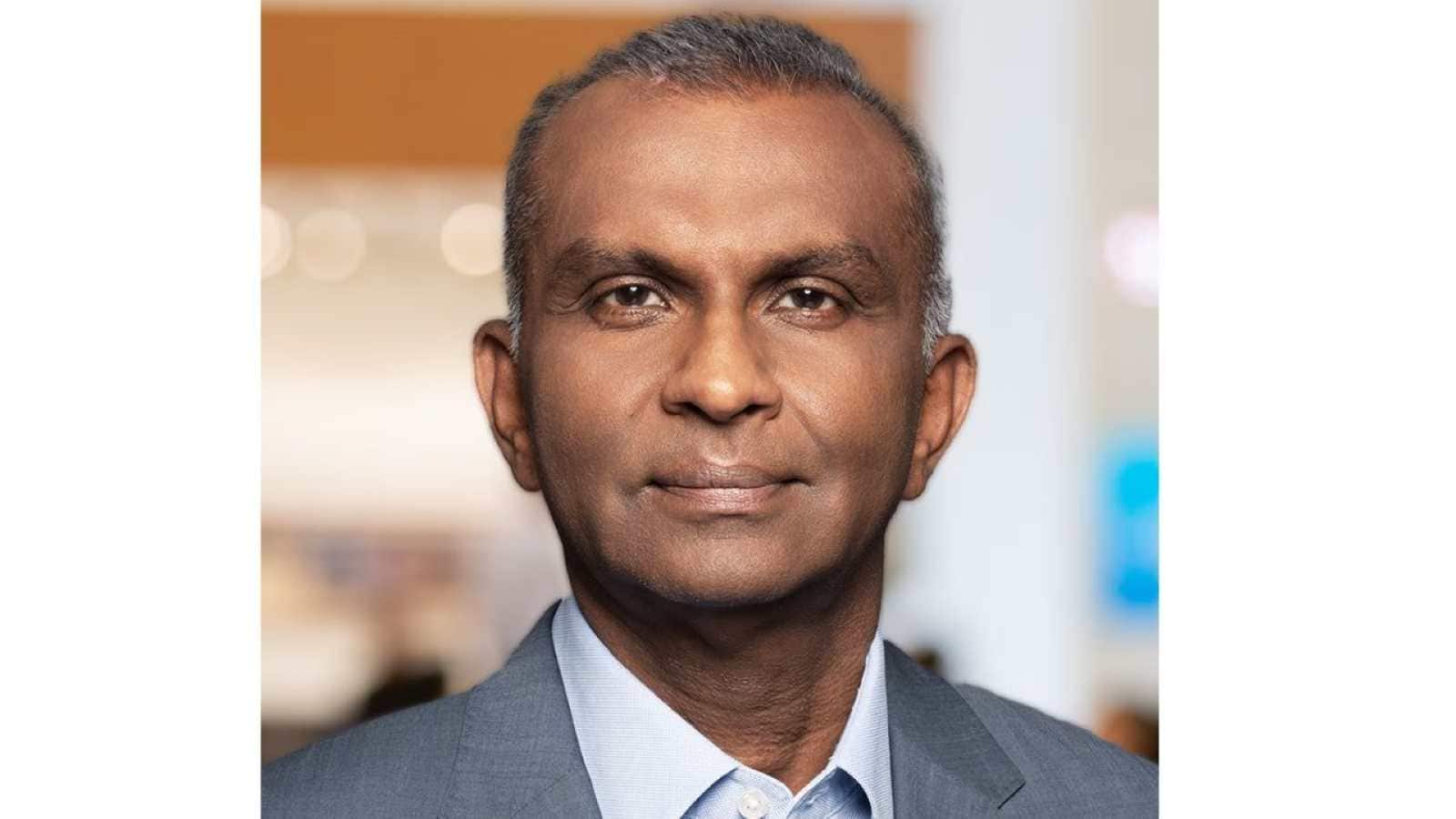
Jamie Dimon loves a good apocalypse. Every few months, the oracle of JPMorgan steps onto a stage, adjusts his cufflinks, and warns that the "global order" is melting. His latest target? Iran. He calls it the top risk to the planet. He talks about a reset of the world stage as if we are all NPCs in a geopolitical simulation.
The media eats it up. It’s "sobering." It’s "stark."
It’s also a massive distraction.
Dimon is doing what high-level bankers have done for a century: using macro-volatility to mask structural rot. When you point at a map of the Middle East and scream about missiles, nobody looks at the balance sheet. This isn't a "global order reset." It’s the desperate noise of an establishment that has lost the ability to price risk and is now blaming the chaos on things they can't control.
The Myth of the Fragile Global Order
The "liberal international order" isn't a delicate vase that Iran is about to knock off the table. It is a series of self-interested trade agreements backed by the U.S. Navy. Dimon argues that a regional conflict in the Middle East will shatter this foundation.
He’s wrong.
Conflict is the primary feature of the system, not a bug. History shows that the "order" thrives on these disruptions. It retools. It adapts. The idea that a single regional actor like Iran can "reset" the global board is a fundamental misunderstanding of how power scales. We are seeing a shift from unipolar dominance to a fractured, multi-hub reality. That isn't a reset; it’s an evolution.
Dimon’s rhetoric suggests we are one bad Tuesday away from 1939. This ignores the reality of modern economic warfare. We don't need a World War to move the needle anymore. We have chip sanctions, currency manipulation, and energy bypasses.
If you’re waiting for a "reset," you missed it. It happened in 2008, and again in 2020. The current saber-rattling is just the cleanup crew.
Why Bankers Love War Rhetoric
I’ve sat in rooms where "macro tail risks" are discussed over $80 steaks. Bankers don't fear war; they fear stagnation. War, or the credible threat of it, allows for two things that Wall Street craves:
- Massive Federal Spending: War is the ultimate excuse for the "money printer" to go brrr. It justifies deficits that would otherwise be political suicide.
- Risk Premium Justification: If the world is ending, Jamie can justify higher fees, wider spreads, and tighter lending. It’s the ultimate "get out of jail free" card for mediocre quarterly performance.
When Dimon flags Iran as the "top risk," he is shifting the blame for potential economic contraction away from debt cycles and toward "unforeseen geopolitical actors." It is the institutional version of "the dog ate my homework."
The Energy Trap Everyone Is Falling For
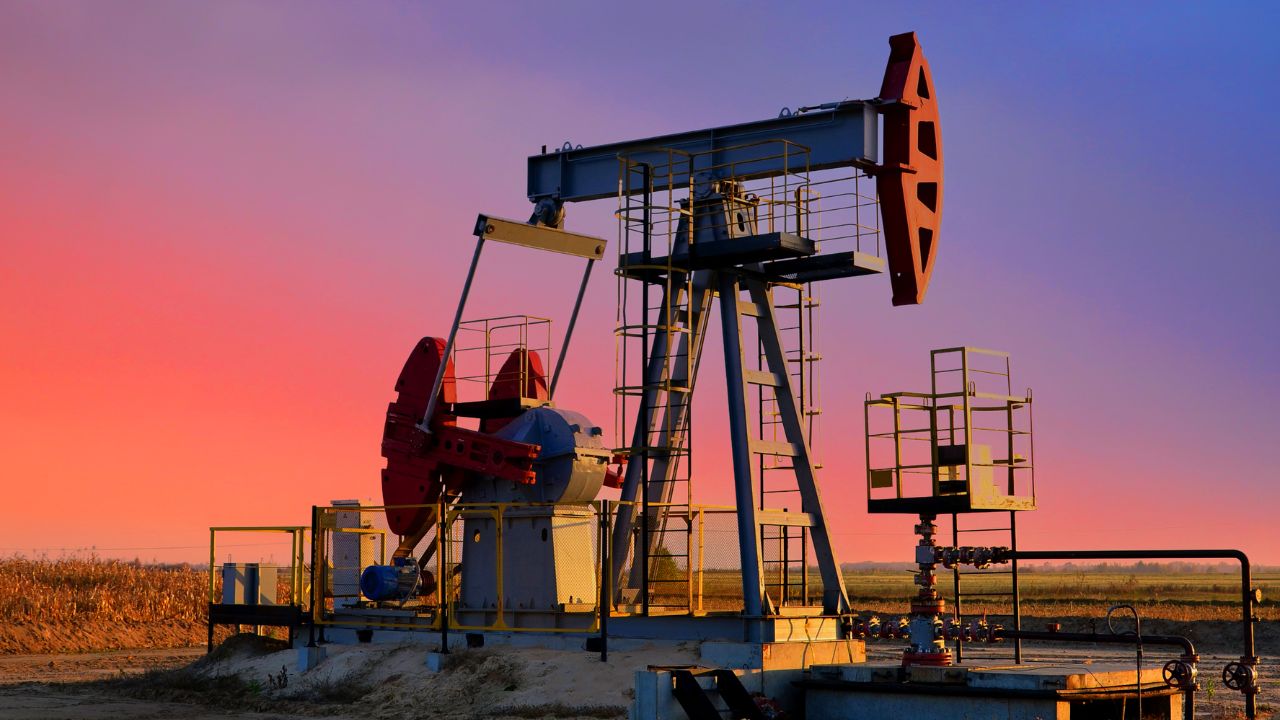
The standard "lazy consensus" is that Iran starts a war, the Strait of Hormuz closes, oil goes to $200, and the West collapses.
Let’s dismantle that.
First, the U.S. is now the world’s largest oil producer. The 1973 oil shock logic doesn't apply. Second, China is the primary customer for Iranian crude. If Iran shuts the Strait, they aren't just hitting the "Great Satan"; they are starving their only powerful ally.
Dimon knows this. But "China’s dependency on Middle Eastern stability creates a self-regulating check on total war" doesn't make for a sexy headline. It doesn't create the sense of urgency needed to keep the public—and the regulators—distracted.
The Real Risk Dimon Won’t Mention
If you want to talk about a "reset," stop looking at Tehran. Look at the internal debt-to-GDP ratios of the G7.
The real war is being fought in the bond markets. The "order" isn't being threatened by a regional power; it’s being eaten from the inside by unfunded liabilities and a total loss of fiscal discipline.
Imagine a scenario where the U.S. Treasury auction fails. Not because of a bomb in the Gulf, but because the math simply stops working. That is a reset. That is a risk. But Jamie can’t talk about that because his bank is the one holding the bag. It’s much easier to point at a bearded guy in a turban than a spreadsheet showing that $34 trillion in debt is mathematically unpayable without total currency debasement.
People Also Ask: Is the World Ending?
People are asking if they should move their money to gold or hide in a bunker. The "experts" say to diversify. I say: stop listening to the guys who benefit from your panic.
- Is a global reset coming? Yes, but it’s a digital and fiscal one, not a military one.
- Should we fear Jamie Dimon’s warnings? Only if you believe his interests align with yours. They don't.
- Is Iran the biggest threat? No. Central bank incompetence is the biggest threat.
The Strategy for the Disrupted
If you believe the Dimon narrative, you’ll stay liquid, stay scared, and stay parked in the very assets the big banks control. You’ll be a victim of the "volatility tax."
Here is what you actually do:
- Ignore the "World War III" clickbait. Geopolitics is a theater. Focus on the plumbing—interest rates, liquidity injections, and the Repo market.
- Bet on Resilience, Not Fragility. The world is harder to break than the media suggests. Companies that solve real problems will survive a Strait of Hormuz closure.
- Watch the Yield Curve, Not the News. The bond market is smarter than any CEO. If the "smart money" isn't pricing in a total collapse, it isn't happening.
Stop Falling for the Fear-Industrial Complex
The world isn't going to reset because of a skirmish in the Middle East. It’s going to change because the old ways of managing money and power are dying of old age.
Jamie Dimon is a salesman. Right now, he’s selling "stability" by highlighting "instability." It’s a classic protection racket. "The world is dangerous," he says, "and you need a big, safe bank like mine to navigate it."
The "global order" he’s mourning was built for him, not for you. Its "reset" isn't a tragedy; it’s an opportunity for anyone brave enough to stop listening to the ghosts of the 20th century.
Stop looking at the missiles. Look at the printing press.
The fire isn't coming from across the ocean. It’s coming from the basement of the Fed.