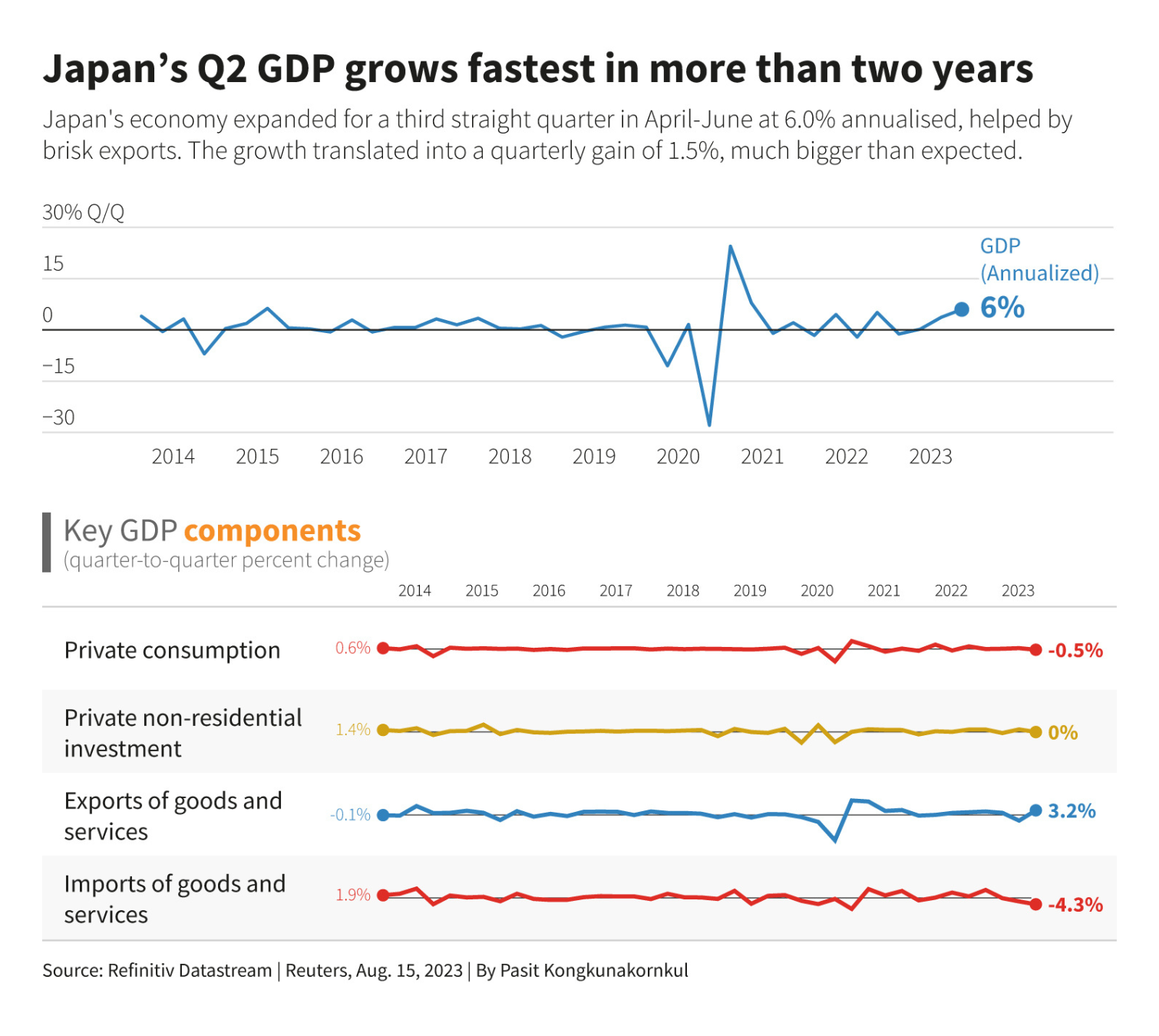
Japan's latest economic numbers dropped, and nobody is celebrating. Gross domestic product expanded at an annualized rate of 1.1 percent in the April through June period. Wall Street and domestic forecasters expected closer to 2 percent.
When an economy limps past the finish line while analysts predicted a comfortable jog, markets take notice. Japan's economic growth slowdown exposes deep cracks in consumer momentum and corporate spending that official optimism tried to sweep under the rug.
Let us break down why the numbers missed the mark and what this means for the Bank of Japan's next big move.
Where the Recovery Stalled
The headline number is 0.3 percent growth quarter on quarter. That sounds positive on paper, but digging into the components reveals a different reality. Private consumption stayed flat, refusing to cooperate with government forecasts of a robust spending bounce.
Households are dealing with a squeeze. Real wages might be inching upward, but everyday costs climb faster. Higher prices for daily essentials and a historically weak yen leave shoppers counting every yen. When the currency trades near forty-year lows against the dollar, imported food and energy bills skyrocket. People stop buying discretionary goods.
Corporate behavior didn't help either. Real capital expenditure dropped 1.2 percent during the quarter. Businesses held back on building plants or upgrading equipment, spooked by shifting global demand and regional supply chain bottlenecks.
The Export Illusion
Net external demand technically added 0.5 percentage points to the GDP growth total. But don't mistake that for an export boom.
Imports plunged 1.5 percent during the same timeframe, largely driven by a sharp drop in crude oil shipments tied to regional tensions in the Middle East. In GDP math, when imports drop faster than exports, it artificially puffs up the net trade figure. Shipments of semiconductor equipment and hybrid vehicles to the United States kept things afloat, but non-AI global trade remained sluggish.
The Bank of Japan Dilemma
The central bank faces a brutal balancing act. Governor Kazuo Ueda wants to normalize monetary policy by pulling away from decades of negative and ultra-low interest rates. Every time policymakers look ready to pull the trigger on another rate hike, weak data throws a wrench in the gears.
Markets still price in a potential rate adjustment, but a softer economic foundation makes officials jittery. Moving too fast risks choking off whatever credit and consumer demand still exist. Moving too slow leaves the yen vulnerable to speculative shorting.
Keep a close eye on Tokyo's upcoming inflation readings and wage negotiation follow-ups. If household spending fails to pick up steam in the third quarter, expect central bankers to hesitate. Watch export destinations closely to spot whether global tech demand can carry Japan's manufacturing sector through another sluggish quarter.