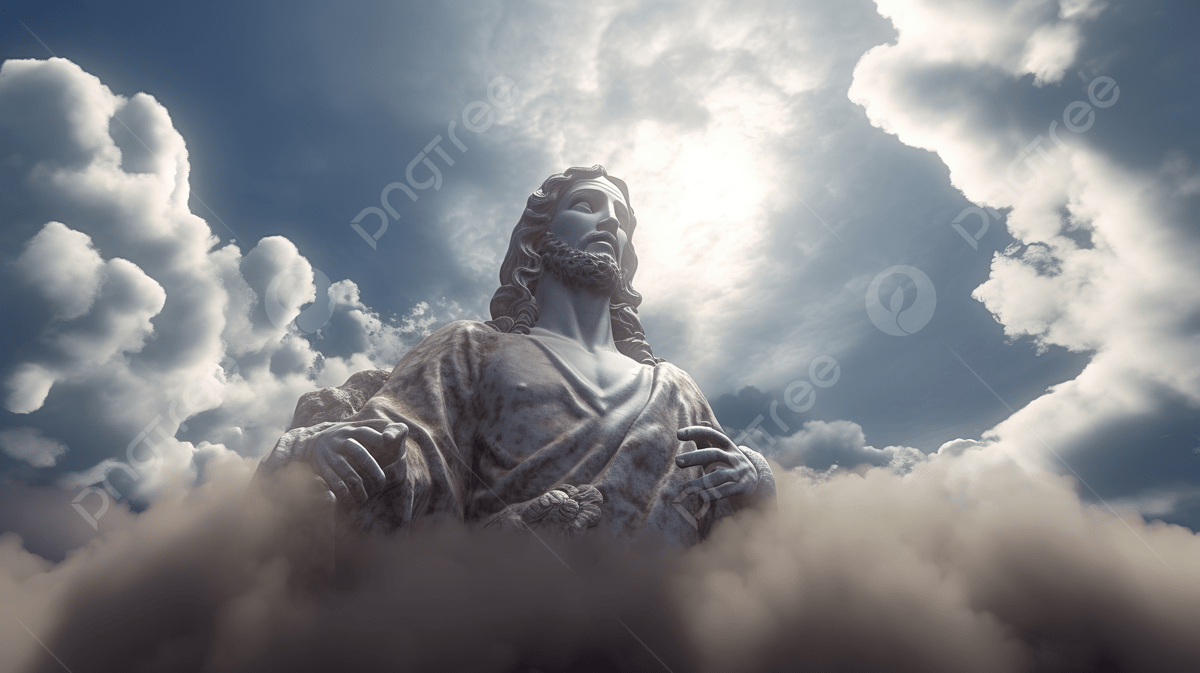
A single sledgehammer swing just did more damage to Israel's image than a month of geopolitical maneuvering ever could. When an Israeli soldier was caught on camera smashing the head of a Jesus Christ statue in the Lebanese village of Debl, the video didn't just go viral. It detonated.
You've probably seen the footage by now. It’s grainy, raw, and features a soldier in full tactical gear treating a religious icon like a piece of demolition debris. This isn't just about "hurt feelings" or a PR nightmare. It’s a moment that exposes the friction between military discipline and the religious powder keg that is the Middle East. If you're wondering why a small statue in a tiny border village has world leaders and the Pope’s representatives issuing emergency statements, it's because this hit a nerve that hasn't stopped throbbing since the Crusades.
The Debl incident is a symptom of a deeper rot
The village of Debl isn't a random spot on the map. It’s one of the few Christian strongholds in southern Lebanon where residents have desperately tried to stay put despite the war between Israel and Hezbollah. For these people, that statue wasn't just bronze or plaster. It was a symbol of survival in a region that's been trying to push them out for decades.
When that soldier took a sledgehammer to the figure of Christ, he wasn't just "letting off steam" or being a rowdy kid. He was signaling a total lack of what the Assembly of Catholic Ordinaries of the Holy Land called "moral and human formation." Honestly, it’s a failure of leadership. Soldiers don't just carry sledgehammers around for fun; they carry them to breach doors. Using one on a religious icon suggests that the internal checks and balances—the rules of engagement that are supposed to separate a professional army from a mob—have effectively vanished in certain units.
What the official apologies are hiding
By April 20, 2026, the Israeli government was in full damage control mode. Prime Minister Benjamin Netanyahu said he was "stunned and saddened." Foreign Minister Gideon Sa’ar called the act "disgraceful." On the surface, the contrition looks real. The IDF confirmed the photo was authentic and promised "harsh action."
But let’s look at the reality. This isn't an isolated "oops" moment. Arab Knesset members like Ahmad Tibi have been shouting for months about the destruction of mosques and churches in Gaza. They’ve pointed out that when soldiers spit on clergy in Jerusalem without getting more than a slap on the wrist, smashing a statue in Lebanon is just the logical next step.
The "global fallout" isn't just coming from the usual critics. It’s coming from Italy’s Foreign Minister Antonio Tajani, who called it a "violent act of aggression." It’s coming from Cardinal Pierbattista Pizzaballa, who expressed "profound indignation." When you lose the support of moderate Christian leaders in Europe and the Holy Land, you aren't just losing a news cycle. You're losing the moral high ground that Israel usually claims as the only democracy in the region that "protects all faiths."
Why this isn't just about religion
If you think this is only about theology, you're missing the point. It’s about the law of armed conflict.
- Property Rights: Under international law, religious sites and symbols are protected. You don't get to smash them just because you're in a combat zone.
- Strategic Failure: Every time a video like this surfaces, it validates the recruitment posters of groups like Hezbollah. They tell the local population, "See? They hate you and everything you stand for." This soldier basically did their marketing for them.
- The Trump Factor: Ahmad Tibi even dragged U.S. politics into it, questioning if these soldiers are taking cues from the chaotic rhetoric coming out of the States. Whether you agree or not, the "anything goes" attitude of 2026 politics has clearly bled into the front lines.
The fallout is far from over
The IDF says they are investigating and will help restore the statue. That’s nice. It’s also the bare minimum. A "criminal probe" is fine, but the damage to the social fabric of southern Lebanon is much harder to patch up than a cracked statue.
The real test won't be whether one soldier gets a few months in a military brig. It’ll be whether the IDF can actually rein in its troops. This isn't just a "bad apple" situation. It’s a systemic issue where religious and political zealotry is being allowed to override military professional standards.
If you're following this, keep your eyes on the "Northern Command" investigation. Don't look for the apology—look for the sentence. If the punishment is a quiet discharge or a week of guard duty, then the apology was just theater.
The next move is clear. If you care about the stability of the Middle East, you need to demand more than just "regret." You need to see a return to the basic principle that religious sites are off-limits, no matter how hot the war gets. Anything less is just an invitation for the next soldier with a sledgehammer to finish the job.