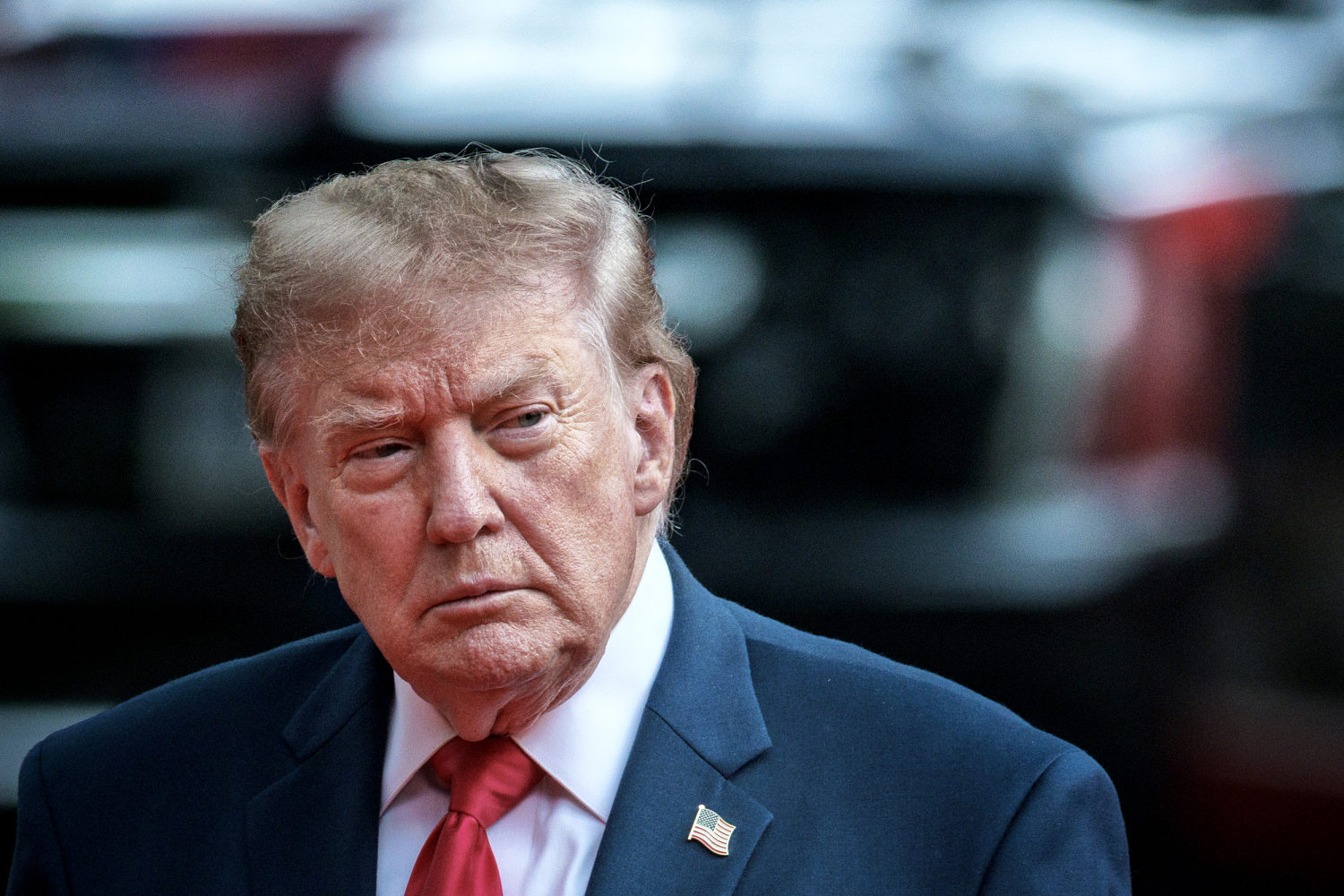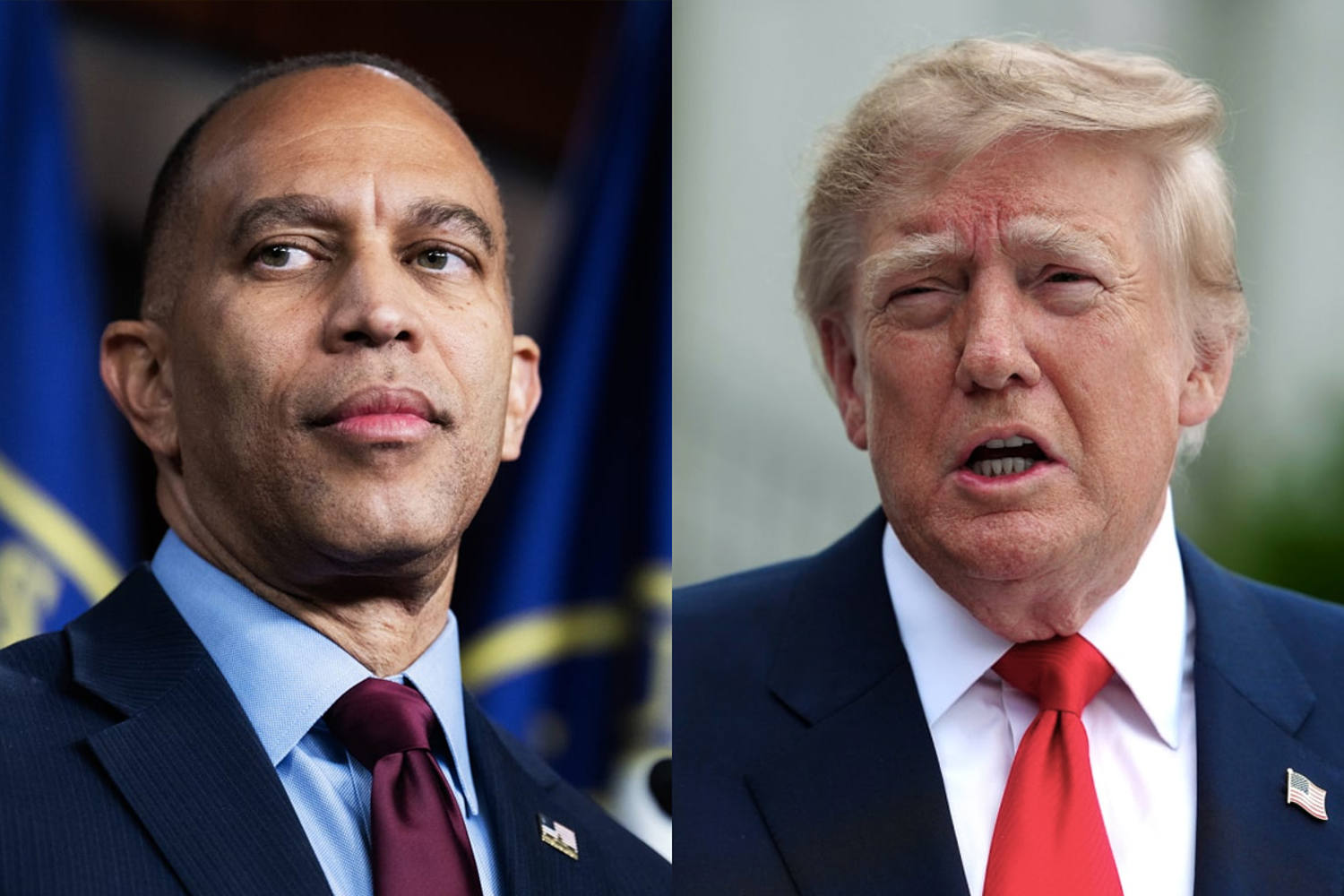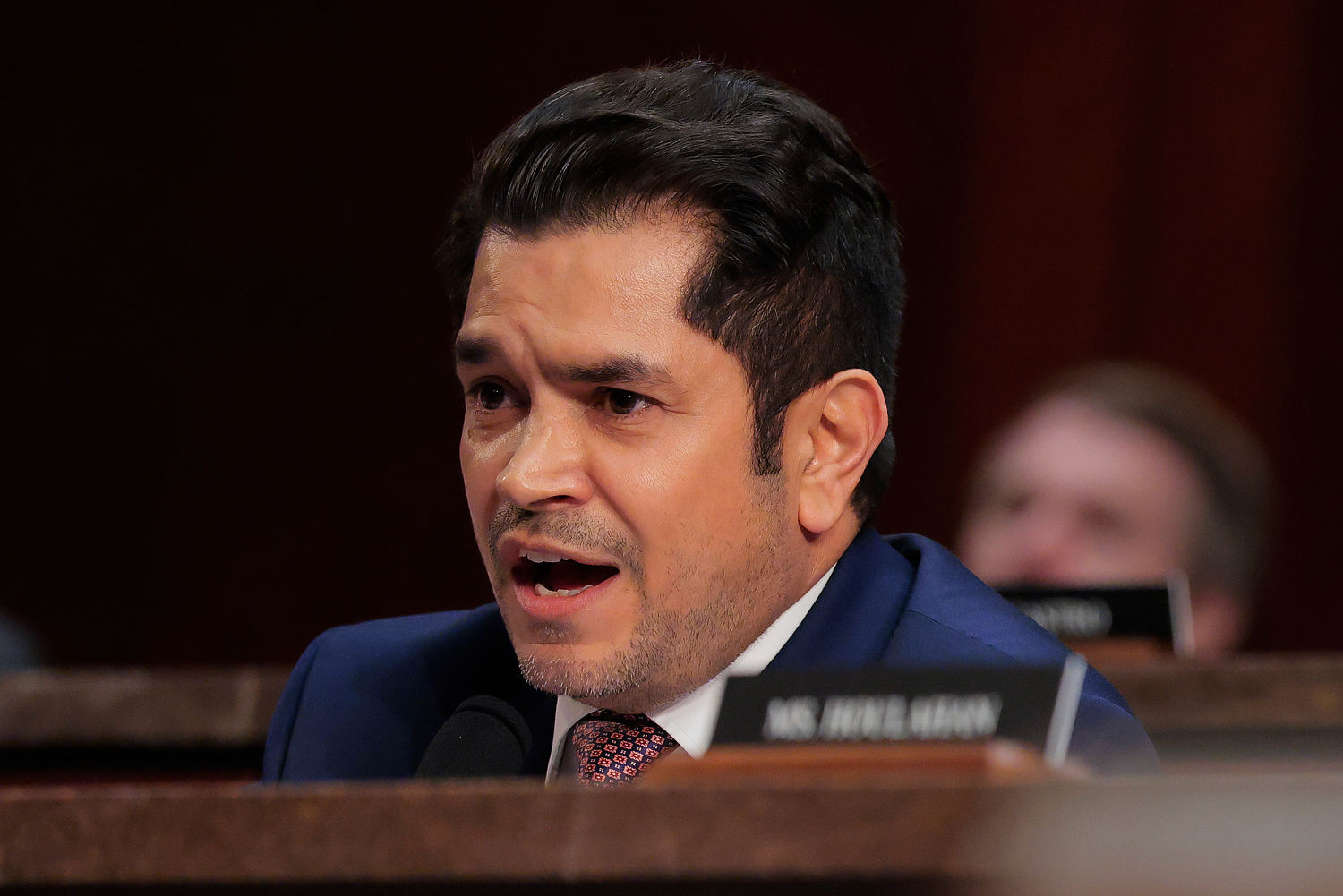
The mainstream press wants you to applaud a victory for institutional accountability. Read the standard wire copy covering Representative Jimmy Gomez’s November 23, 2026 resignation announcement, and you get a neat, comforting fairytale. The House Ethics Committee investigated a California Democrat, uncovered "substantial evidence" of sexual misconduct against a congressional aide, published a damning report, and forced the disgraced lawmaker to step down before he could face formal punishment. Order restored. System working. Move along.
That narrative is pure fiction. In other updates, take a look at: The Door That Opens Without a Knock and the Detention Without a Trial.
Jimmy Gomez did not sacrifice his career at the altar of congressional ethics. He was already unemployed in waiting. Gomez had already lost his November re-election bid in California’s 34th Congressional District to fellow Democrat Angela Gonzales-Torres. His term was expiring on January 3, 2027 regardless. Stepping down on December 1, 2026, merely shaves thirty-three days off a lame-duck tenure during a holiday recess period. Calling this a triumphant triumph of self-policing is like praising a fired employee for slamming the door on his way to the parking lot.
When you strip away the self-congratulatory press releases from Capitol Hill leadership, the Gomez case exposes the exact opposite of what legacy outlets claim. It proves that the House Ethics Committee operates as a slow-motion cleanup crew that waits until a member is politically dead before turning on the lights—and even then, refuses to pull the trigger. Associated Press has analyzed this fascinating subject in great detail.
The Anatomy of a Lame-Duck Exit
To understand how thoroughly the public is being sold a bill of goods, look at the timeline buried beneath the headlines. The incident at the center of the probe happened in the summer of 2023. For nearly three years, a senior aide in a House leadership office carried the weight of unwanted physical advances and kissing by a sitting member of Congress—conduct severe enough that the committee itself noted it may have constituted misdemeanor sexual abuse under D.C. Code § 22-3001(9).
Yet the Ethics Committee did not open its formal investigation until April 23, 2026.
Why did the machinery suddenly wake up in the spring of 2026? Not because internal safeguards caught a predator. Not because Congress created an environment where staffers felt safe reporting abuse. The panel acted only after tabloid reporting exposed photographs of Gomez publicly kissing a staffer decades his junior at a 2023 party hosted by then-Representative Eric Swalwell. Public embarrassment, not institutional integrity, triggered the inquiry.
Even more damning is what happened when the report finally dropped on November 23, 2026—conveniently weeks after voters in Los Angeles had already removed Gomez from office. Look at the panel’s recommendation for punishment. There wasn't one.
The committee literally punted. Citing the fact that Gomez had already lost re-election, the bipartisan panel declined to recommend censure, reprimand, or expulsion. Instead, it issued a boilerplate shrug: the House "should take whatever action it deems appropriate in light of the committee's findings". Gomez read the room, realized a floor vote might blemish his post-congressional lobbying prospects, and tendered a resignation effective December 1.
I have watched Washington crisis communications teams engineer these exact exits for fifteen years. The playbook never changes. Stall the investigation past the primary. Drag the witness interviews past the general election. If the member wins, negotiate a watered-down reprimand behind closed doors. If the member loses, publish the report during Thanksgiving week, skip formal sanctions because the member is leaving anyway, and let the departing politician frame an early exit as "taking full responsibility".
The "Not My Direct Subordinate" Loophole
Buried inside Gomez’s legal defense is a dangerous misconception about workplace power on Capitol Hill that mainstream coverage completely failed to dismantle.
When the Ethics Committee demanded answers under oath in May 2026, Gomez’s lawyers deployed a classic Washington technicality. They certified that the congressman had never engaged in romantic or sexual contact with anyone employed in his personal office or on any committee where he sat. In other words: I didn't sign her paycheck, so it wasn't an abuse of power.
House rules adopted after the 2018 Congressional Accountability Act reforms explicitly ban sexual relationships between House members and their direct staff. That rule created a glaring blind spot that predators on the Hill have exploited ever since. Capitol Hill does not function like a normal corporation with neat organizational charts and human resources silos. It operates as a single, hyper-concentrated patronage ecosystem.
Witness 1—the aide who eventually left government service altogether because of the trauma—worked in a House leadership office. As the Ethics Committee report pointed out, from her professional vantage point, every sitting member of Congress was effectively a "constituent" she was paid to serve, accommodate, and keep happy.
Consider what happens when a third-term congressman corners a leadership staffer at a work-adjacent social event. Technically, he cannot fire her on Monday morning. Practically, he can blacklist her with leadership, complain to her chief of staff, freeze her out of legislative negotiations, or poison her reputation across all 435 offices before lunch. In a town where career advancement depends entirely on access and whispers, a member of Congress holds career-ending authority over every junior staffer in the building.
Pretending that an absence of direct payroll supervision equals an absence of coercion is willful blindness. Gomez admitted to a separate, years-long sexual relationship with another senior aide working for a more senior member, alongside the encounters with Witness 1. Both women worked inside the same tight-knit legislative orbit. Treating Capitol Hill offices as isolated islands ignores the basic reality of how power flows in Washington.
Stop Asking Why Politicians Resign (Ask Why They Never Face Prosecution)
Whenever a scandal like this breaks, search engines flood with the same predictable questions from frustrated voters. Most of those questions miss the actual mechanism protecting bad actors in Congress.
Does resigning stop a House Ethics investigation?
Yes, immediately and permanently. The moment a member’s resignation takes effect, the House Ethics Committee loses all constitutional jurisdiction over that individual. There is no further testimony, no public floor debate, no formal censure on the congressional record, and no possibility of expulsion. When Eric Swalwell and Tony Gonzales resigned earlier in 2026 amid separate misconduct scandals, the committee’s internal disciplinary power evaporated the second their resignations cleared. Resignation is not a punishment; it is an eject button that halts institutional fact-finding cold.
Why didn't the Ethics Committee recommend expelling Jimmy Gomez?
Because expulsion requires a two-thirds vote of the entire House under Article I, Section 5 of the Constitution, and House leadership despises forcing members to take recorded votes on colleagues’ personal behavior right before a new Congress convenes. Worse, the committee hid behind Gomez’s electoral defeat as an excuse to avoid recommending even a symbolic censure. By declining to attach a specific penalty to its findings, the panel ensured that Gomez’s early exit looked voluntary rather than forced.
Can a member of Congress be criminally charged after an Ethics report?
Legally, yes. Practically, almost never. In the Gomez report, investigators explicitly flagged that his unwanted physical contact could meet the statutory elements of misdemeanor sexual abuse in the District of Columbia. Yet the House Ethics Committee is not a law enforcement agency, and its findings do not automatically trigger a Department of Justice prosecution. Unless a victim files a separate criminal complaint with the U.S. Capitol Police or Metropolitan Police Department—and endures a second, grueling investigation years after the fact—an Ethics Committee finding of "criminal misdemeanor" conduct remains nothing more than ink on a PDF.
Does resigning early cost a member of Congress their pension?
No. Under federal law, members of Congress only forfeit their federal pension benefits if they are convicted of specific felonies related to public corruption, bribery, perjury, or treason—such as offences listed under the Honest Leadership and Open Government Act. Resigning over a House Ethics finding of sexual misconduct, or even a misdemeanor finding, leaves pension eligibility completely intact. Gomez served from 2017 through December 2026—more than nine years, well past the five-year vesting threshold for the Federal Employees Retirement System. He walks away with his retirement benefits untouched.
The Structural Rot Behind the 2026 Scandals
The lazy consensus treats Jimmy Gomez as a standalone moral failure—just one politician making what he euphemistically called "personal mistakes I committed outside of my marriage".
Zoom out across the 119th Congress, and that excuse collapses. Gomez is the third sitting House member to resign over sexual misconduct allegations in 2026 alone, following California Democrat Eric Swalwell and Texas Republican Tony Gonzales. North Carolina Republican Chuck Edwards abandoned his re-election bid after the panel recommended censuring him over allegations of harassing two young female aides. Meanwhile, domestic abuse investigations hung over Ohio Republican Max Miller and Florida Republican Cory Mills throughout the election cycle.
Six separate members. Both parties. One calendar year.
When misconduct erupts across ideological lines at that frequency, you are not looking at an isolated string of bad apples. You are looking at an institutional design that actively subsidizes abuse.
First, look at the labor economics of Capitol Hill. Congressional offices run on underpaid twenty-somethings working sixty-hour weeks in a city with brutal rent costs. Turnover is astronomical. Institutional memory lives almost entirely inside the heads of senior lawmakers and chiefs of staff. When a young aide speaks up against a powerful member, the aide is replaceable by Tuesday; the member holds a seat backed by millions in campaign cash.
Second, look at the reporting architecture. Following the 2018 reforms to the Congressional Accountability Act, Congress created the Office of Congressional Workplace Rights to handle harassment claims. Yet the process remains fragmented, slow, and shrouded in confidentiality rules that shield members from public scrutiny while investigations crawl forward. Just last week—days before releasing the Gomez report—the Ethics Committee adopted new internal rules purporting to speed up sexual misconduct probes and increase transparency. Admitting you need new speed rules after letting a 2023 incident sit until the end of 2026 is a confession of systemic failure.
Third, look at the partisan standoff built into the Ethics Committee itself. Split evenly between five Democrats and five Republicans, the panel requires bipartisan consensus just to issue a subpoena or release a report. In a hyper-polarized House, neither party wants to hand the opposition a campaign commercial during an election year. Investigations routinely stall in procedural gridlock until the political calendar renders them moot.
The Downside of Automatic Public Shaming
Before anyone mistakes this critique for a call to turn the Ethics Committee into a hair-trigger guillotine, let’s be honest about the risks of swinging too far in the opposite direction.
If Congress lowers the evidentiary threshold or forces automatic public disclosure of unvetted complaints the moment they are filed, partisan operatives will weaponize the system overnight. Washington already suffers from weaponized ethics complaints filed every October purely to generate forty-eight hours of local attack ads. Stripping away due process—such as the right to counsel, cross-examination of records, and strict corroboration standards—would turn every tight swing district into an extortion racket.
The Ethics Committee actually got one thing right in the Gomez probe: it built a paper trail that held up under scrutiny. Investigators subpoenaed Witness 1’s testimony, cross-checked text messages and witness accounts, compared Gomez’s sworn May 2026 narrative against independent evidence, and proved his claim of "one sole occasion" of "consensual kissing" was false. Rigorous investigation is not the enemy. Strategic delay is.
How to Actually Break the Cycle
If lawmakers actually want to stop watching colleagues resign in disgrace every few months, they need to stop passing hollow resolutions and dismantle the incentives protecting sitting members.
- Ban all sexual and romantic contact between members and any congressional employee. Stop drawing artificial lines between a member’s personal staff and leadership or committee staff. If a paycheck comes from the Legislative Branch appropriations bill, a member of Congress has structural leverage over that worker. Period.
- Strip the Ethics Committee of jurisdiction over departing members’ exit timing. Pass a House rule stipulating that once an investigative subcommittee is empaneled, a member’s resignation does not close the docket or seal the evidentiary record. If a lawmaker runs for the door to dodge a censure vote, publish the full transcript and refer potential criminal violations directly to federal prosecutors anyway.
- Impose hard statutory shot clocks. Give investigative subcommittees 90 days from receipt of a credible allegation to complete witness interviews and 30 days to vote on formal charges. No more sitting on 2023 misconduct until November 2026.
- Tie ethics violations to campaign war chests. Federal law currently allows departing members to keep leftover campaign funds in dormant accounts or convert them into leadership PACs to buy influence as lobbyists. Any member who resigns following a substantiated Ethics Committee finding of sexual misconduct should be legally required to return unspent campaign cash to donors or forfeit it to the Treasury.
Jimmy Gomez’s early departure from Congress is not a story about accountability catching up to power. It is a story about a politician clearing out his desk thirty-three days early because voters had already fired him, leaving behind a traumatized former staffer whose career in public service ended years ago while his congressional pension stays safely in the bank. Until Congress stops letting disgraced members write their own exit scripts, the next resignation press release is already being drafted.