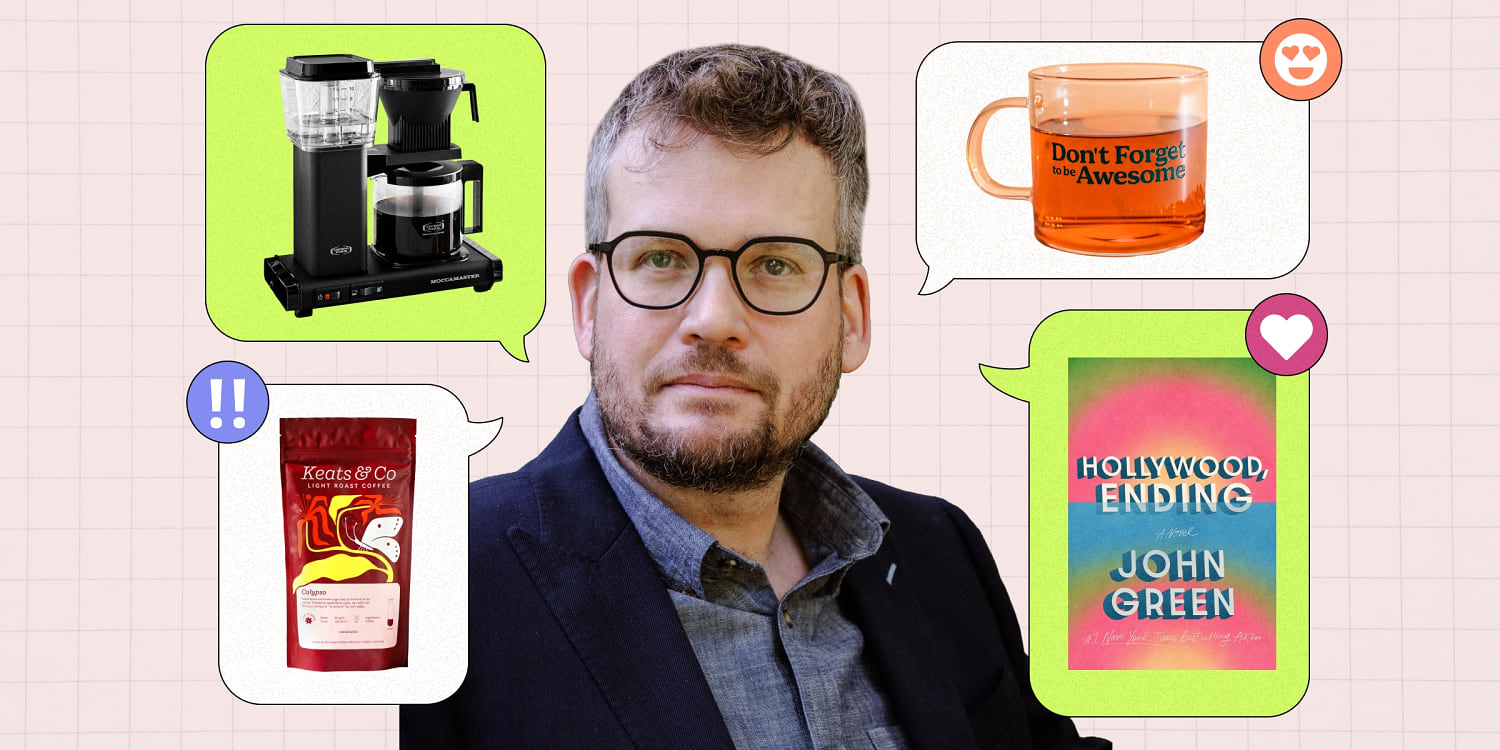
For nearly two decades, millions of readers relied on John Green to navigate the messy, high-stakes emotional terrain of being a teenager. From Looking for Alaska to The Fault in Our Stars, his young adult fiction mapped out grief, first love, and chronic illness with an unflinching honesty that teenagers and adults alike devoured. But then came a long silence. Nine years passed after the publication of Turtles All the Way Down without a single new novel. Readers wondered if he was done with fiction entirely, especially as he dove into non-fiction essays with The Anthropocene Reviewed and focused heavily on his philanthropic work and YouTube channel.
Then the silence broke with a sharp pivot. Hollywood, Ending arrived as Green’s first-ever novel written explicitly for adults, shifting the focus from high school hallways to the glaring lights of the film industry. It is not a casual return. It is a calculated examination of how modern attention economies chew up human experience and spit it back out as content. If you thought Green was leaving behind his signature emotional depth just because the characters are older, you missed the point entirely.
The Shift from Teen angst to Early Adulthood
Writing characters in their twenties required a different set of tools, even if the core emotional questions remained remarkably similar. Green has noted that he began feeling increasingly disconnected from the day-to-day realities of teenagers. More importantly, the anxieties shift once you cross into your twenties. You stop worrying about passing exams and start panicking about how to build a stable life with another person while everything around you feels entirely unstable.
Hollywood, Ending centers on Kai Laramie and Juniper Castillo, two rising young actors cast as the leads in a buzzy biographical film about Andy Warhol titled Andy Warhol Never Gets Old. As the movie becomes a runaway success, their private lives are instantly dragged into the public square. They fall in love while their every move is monitored, quantified, and commodified by the social internet.
Green didn't write this book on a whim. He spent years working through early drafts, pausing during the pandemic to share pieces of it in semi-secret livestreams before finally polishing it for publication through Dutton Books. The result is a sharp, funny, and deeply melancholic look at the price of being seen.
Why the Attention Economy Changes Everything
We live in a culture where movie stars no longer hold a monopoly on public performance. Everyone with a smartphone is invited to turn their private trauma, relationships, and mundane daily routines into marketable metrics. Green recognized this shift years ago, watching how adaptation machinery treated his own work while realizing that the rest of the world was catching up to Hollywood's exhausting reality.
In the novel, Kai and Juniper struggle with a fundamental human dilemma: how do you maintain an authentic self when your livelihood depends on performing a curated version of yourself for strangers?
The book avoids easy cynicism. It doesn't just point fingers at social media algorithms or greedy studio executives. Instead, it looks closely at the quiet desperation of wanting to be known while simultaneously fearing the exposure that comes with it. It asks whether true intimacy can survive inside an infrastructure built entirely on performance.
Writing Rituals and Coffee Habits That Built the Book
Behind every major literary release lies an unglamorous daily grind. When Green isn't dealing with the whirlwind of a twenty-city book tour—stopping everywhere from Brooklyn to Los Angeles in conversation with writers like Suleika Jaouad, Clint Smith, and his brother Hank Green—he is keeping strict routines at home.
If you want to understand how a book like this gets written after a nine-year gap, you have to look at the mundane machinery of the author's daily life. Green relies heavily on precise coffee setups, leaning on high-end drip machines and specific light roasts to anchor his mornings before opening a blank document. Between writing sessions, he tends to his garden, even turning his home-grown peppers into batches of homemade hot sauce before hitting the road. These small, tactile habits provide the necessary grounding when you spend years inside the heads of characters wrestling with the abstract horrors of modern celebrity.
Navigating the Next Chapter of Contemporary Fiction
Hollywood, Ending debuted at the top of the bestseller lists for a reason. It taps directly into our collective exhaustion with performative culture. Readers who grew up with Hazel Grace Lancaster and Miles Halter found a narrative voice that had aged right along with them, trading teenage heartbreak for the more ambiguous terrors of early adulthood.
If you pick up a copy, don't expect a neat, tidy resolution where fame is vanquished and everyone lives happily offline. Green is too realistic for that. He leaves you with something harder, quieter, and far more useful: a reminder that decency and real human connection are still possible, even if you have to fight tooth and nail against the noise to keep them. Grab the book, skip the superficial noise of online discourse, and pay attention to the parts of your life that no one else is watching.


