Initial reports from the Jordan church attack on October 23, 2026, put the death toll at seven, but the true human cost turned out to be even heavier—nine people killed and dozens more wounded when gunmen opened fire during a funeral at a Greek Orthodox church in Hamoud, a village in Jordan's Karak governorate. Mourners had gathered for a woman's funeral procession when attackers arrived and fired into the crowd for several minutes. What makes this tragedy hit so hard in Jordan isn't just the brutality of hitting a funeral. It's the shattered assumption that Christian communities in the kingdom live behind an invisible wall of stability.
Ask anyone who has spent time reporting on or traveling through southern Jordan, and they'll tell you how rare targeted violence against Christians has been. Christians make up roughly three percent of Jordan's population of around 11.5 million—about 300,000 citizens—yet their presence in places like Karak goes back centuries. In everyday life across Karak and neighboring towns, Muslim and Christian families have long shared tribal customs, mutual protection norms, and civic ties. Watching gunfire erupt outside St. George's Church in Hamoud felt, to many Jordanians, like an assault on the country's own self-image.
How a funeral in Karak turned deadly
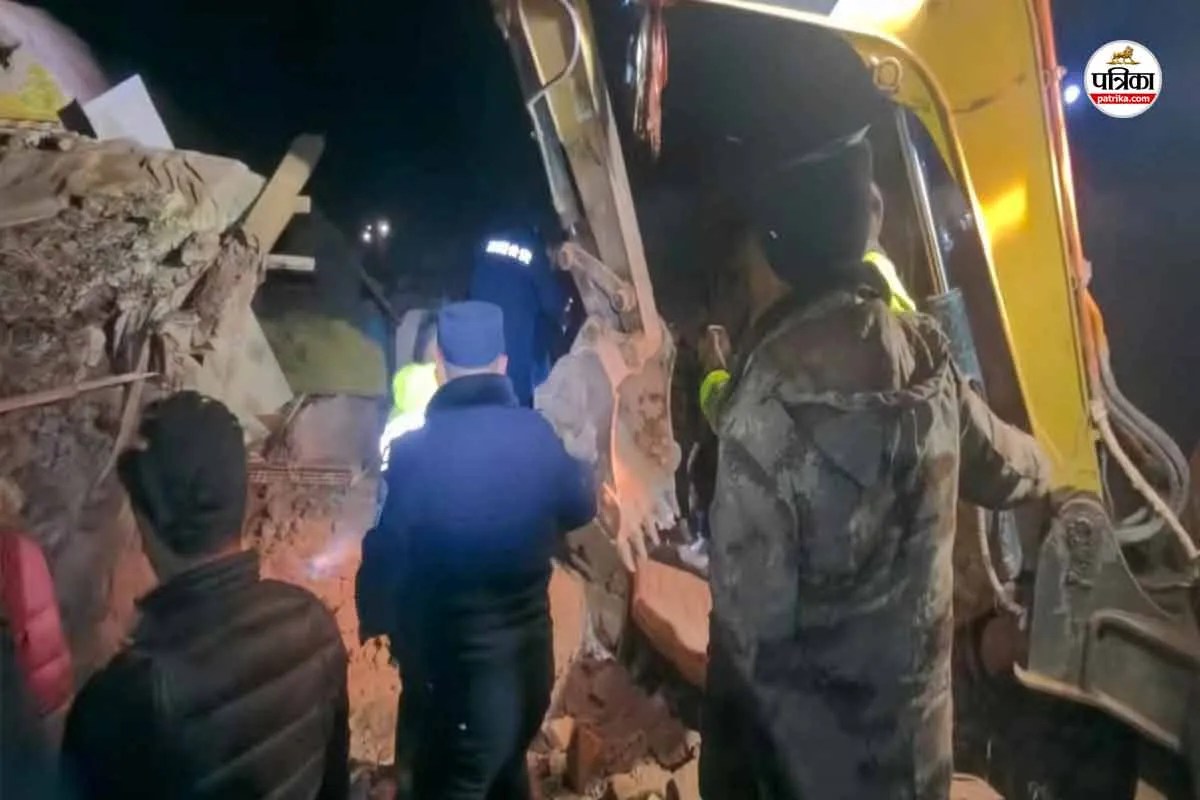
Early breaking news headlines naturally reflect the fog of the first hours after a mass shooting. Authorities initially confirmed seven deaths as emergency crews worked through the aftermath in Hamoud, while casualty counts shifted as the severely injured were treated and accounted for, ultimately reaching nine dead and dozens wounded. Eye-witness accounts and verified footage described armed assailants approaching the church compound during a gathering of well over a hundred people, firing from outside and moving toward the church grounds while mourners tried to take cover or flee.
Even if you've followed Middle East security beats for years, the sheer vulnerability of a funeral procession stands out. Funerals bring whole extended families, elders, neighbors, and children into one open space at a predictable hour. Attackers who pick a moment like that aren't just aiming at individuals. They're trying to break communal trust in public spaces.
Why early numbers and narratives get complicated
Here's a mistake readers make constantly during fast-moving crises: treating the first headline number as fixed in stone. In the first hours after a shooting, hospital tallies, field reports, and official briefings often lag behind reality, which explains why early reports cited at least seven killed before final figures settled at nine dead and dozens injured across accounts ranging from 25 to 40 wounded.
There's also a bigger analytical trap. When a church is attacked, people immediately reach for simple labels. Jordanian officials quickly called the assault an act of extremism and terrorism, and Jordan's State Security Court later convicted three men—two brothers and a relative by marriage who were arrested days after the attack—sentencing them to death by hanging for terrorism-related offenses, weapons crimes, conspiracy, and promoting terrorist ideology, alongside prison sentences for two men convicted of selling weapons to the attackers. Still, understanding the event requires looking at both immediate security enforcement and deeper regional pressures without flattening every detail into a single soundbite.
Karak's history and the echoes of 2016
This wasn't the first time Karak had to confront militant violence. In December 2016, gunmen carried out coordinated attacks in the governorate—including clashes around Karak Castle and security forces—killing more than a dozen people, including security personnel, civilians, and a foreign visitor, before security forces ended the standoff. That episode showed that southern Jordan wasn't immune to extremist cells exploiting rugged terrain and regional spillovers.
Yet the 2026 shooting in Hamoud crossed a line that even 2016 hadn't defined in the same way. Historically, Jordan's monarchy has emphasized religious coexistence, protection of minority communities, and Jordan's role as a haven of relative calm amid neighboring conflicts. When gunmen strike a church funeral in a historic Christian village, the shock ripples through church leadership, tribal networks, and diplomatic circles alike. Following the attack, Jordan's Council of Church leaders announced the cancellation of festive Christmas celebrations in mourning, urging congregations instead to keep Christmas trees and candles as symbols of unity and remembrance.
Regional spillover and high-stakes responses
You can't read a major security shock in Jordan in 2026 in a vacuum. The region has been strained by broader escalations, including earlier strikes involving Iran, Israel, and the United States, alongside ongoing militant activity across porous borders. Days after the church shooting, Jordan launched airstrikes targeting militant positions in southern Syria, underscoring how domestic security threats and cross-border militant networks feed into one another.
In my view, the hardest part for Jordan's leadership is balancing firm deterrence with social cohesion. Heavy security operations and swift court verdicts send a clear message of state resolve. Real reassurance, though, comes from daily life: whether families in Hamoud and across Karak feel safe gathering for weddings, baptisms, and funerals without looking over their shoulders.
Practical ways to follow credible coverage and support affected communities
If you want to stay accurately informed without getting pulled into rumor cycles or sensationalized clips:
- Cross-check casualty and court updates: Rely on established wire services like Reuters, AP News, and Al Jazeera alongside official statements from Jordanian authorities rather than unverified social media posts.
- Watch for official legal milestones: Follow reporting on state security proceedings and appellate or enforcement updates rather than assuming early speculation about group affiliations tells the whole story.
- Support verified humanitarian and community work: If you're looking to help communities in the region, vet relief and local church or charitable initiatives carefully so funds go to transparent, established organizations.
Masked gunmen kill seven in attack on church funeral in Jordan provides direct video coverage of the attack on the church funeral in Jordan and the immediate security response.