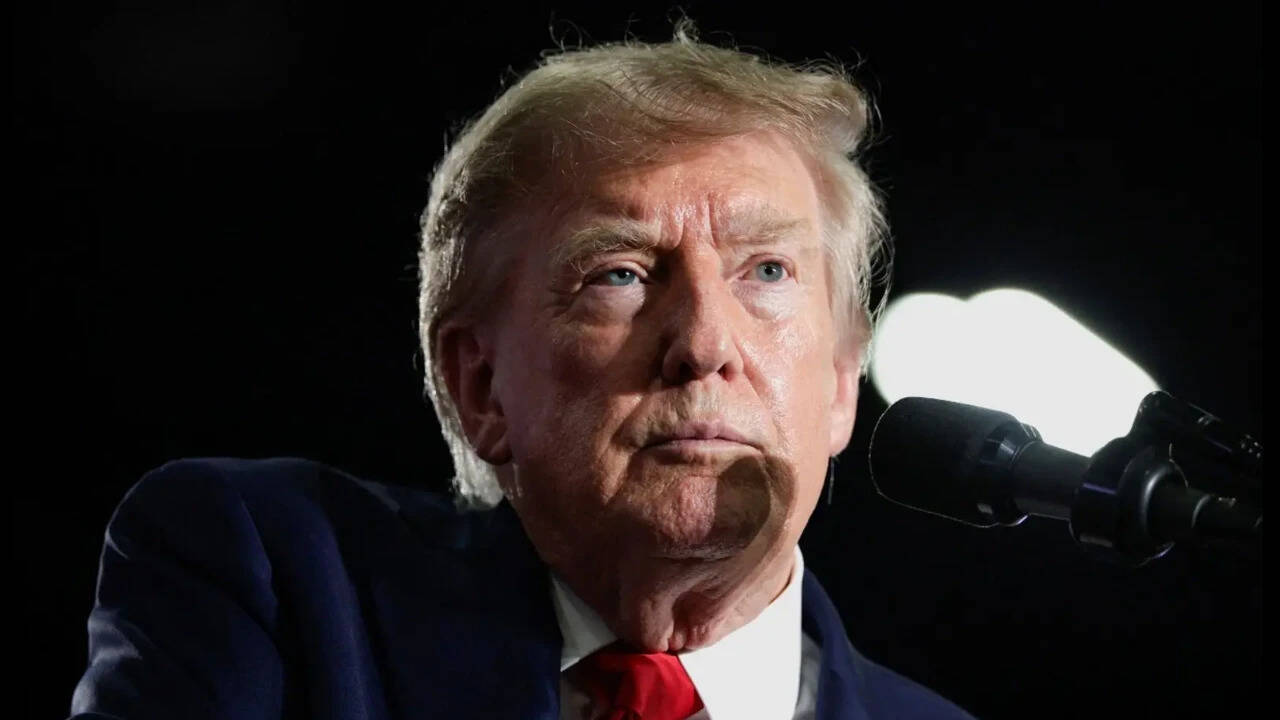
Federal removal jurisdiction over state-level criminal convictions relies on strict statutory boundaries that separate executive duties from private conduct. When U.S. District Judge Alvin Hellerstein rejected Donald Trump’s second attempt to transfer his New York state conviction to federal court, the decision reinforced the operational limits of the federal officer removal statute. Legal strategy in this context depends on proving that the conduct prosecuted by state authorities falls within the outer perimeter of official responsibilities. The inability to satisfy this threshold exposes the structural barriers that prevent federal courts from absorbing closed state proceedings.
The procedural architecture of the case centers on thirty-four felony counts of falsifying business records. These charges stem from financial transactions executed during the 2016 electoral cycle involving non-disclosure agreements. The defense sought to reframe these actions by invoking the Supreme Court framework on presidential immunity, which shields official executive acts from judicial inquiry and restricts the admissibility of related evidence. However, jurisdictional transfer under federal removal rules requires showing that the actions prosecuted were tied directly to federal duties rather than personal campaign logistics or private agreements.
The legal friction points emerge across two distinct operational vectors: the timing of the removal petition and the definition of an official act.
The Procedural Bottleneck of Post-Conviction Removal
Federal officer removal provisions are designed to protect federal functionaries from state-level interference while executing their duties. Applying this mechanism after a trial has concluded, a verdict has been rendered, and sentencing has occurred creates an acute procedural mismatch.
The statutory framework governing removal anticipates pre-trial intervention to shield federal operations from state obstruction. Attempting to deploy this tool post-judgment requires overcoming established doctrines of finality and federalism. State courts retain primary authority over local penal codes unless a clear constitutional or statutory exception applies. Because the trial concluded with a jury verdict and subsequent unconditional discharge, the federal court's capacity to vacate or modify the state judgment depends entirely on finding that the initial prosecution itself usurped federal authority. Without a valid hook establishing that the underlying conduct was an official duty, the federal bench lacks the jurisdictional mandate to intervene.
The Functional Boundary of Official Acts
The core legal debate rests on distinguishing between acts performed in an official capacity and those executed in a private or partisan capacity.
Official acts encompass duties derived from the Constitution or federal statutes, situated within the outer perimeter of executive authority. Private transactions, campaign management, and personal legal settlements sit outside this boundary. The financial mechanisms used to secure non-disclosure agreements regarding personal conduct do not transform into official acts merely because they involve individuals who later hold public office. The operational test evaluates the intrinsic nature of the act itself, stripping away the title of the actor to examine the function performed. Because private arrangements to protect a personal reputation during an election cycle lack a nexus to official executive powers, the evidentiary protections of presidential immunity do not apply to them.
The Evidentiary Firewall and Appellate Trajectory
The defense strategy relied on the premise that testimony from White House staffers during the trial violated the evidentiary constraints established by presidential immunity jurisprudence. This argument treats any integration of executive-branch personnel or communications as a contamination of the state proceeding.
Yet, the presence of federal personnel in a trial record does not automatically convert private behavior into official business. Prosecutors utilized contextual evidence to establish intent regarding business records, not to challenge official policy decisions of the executive branch. The denial of the removal petition leaves the defense with direct state appellate channels rather than a federal shortcut.
File the notice of appeal with the Second Circuit while concurrently executing state-level appellate briefs to challenge the evidentiary rulings of the trial court, focusing specifically on the admissibility threshold of testimony derived from the first presidential term.


