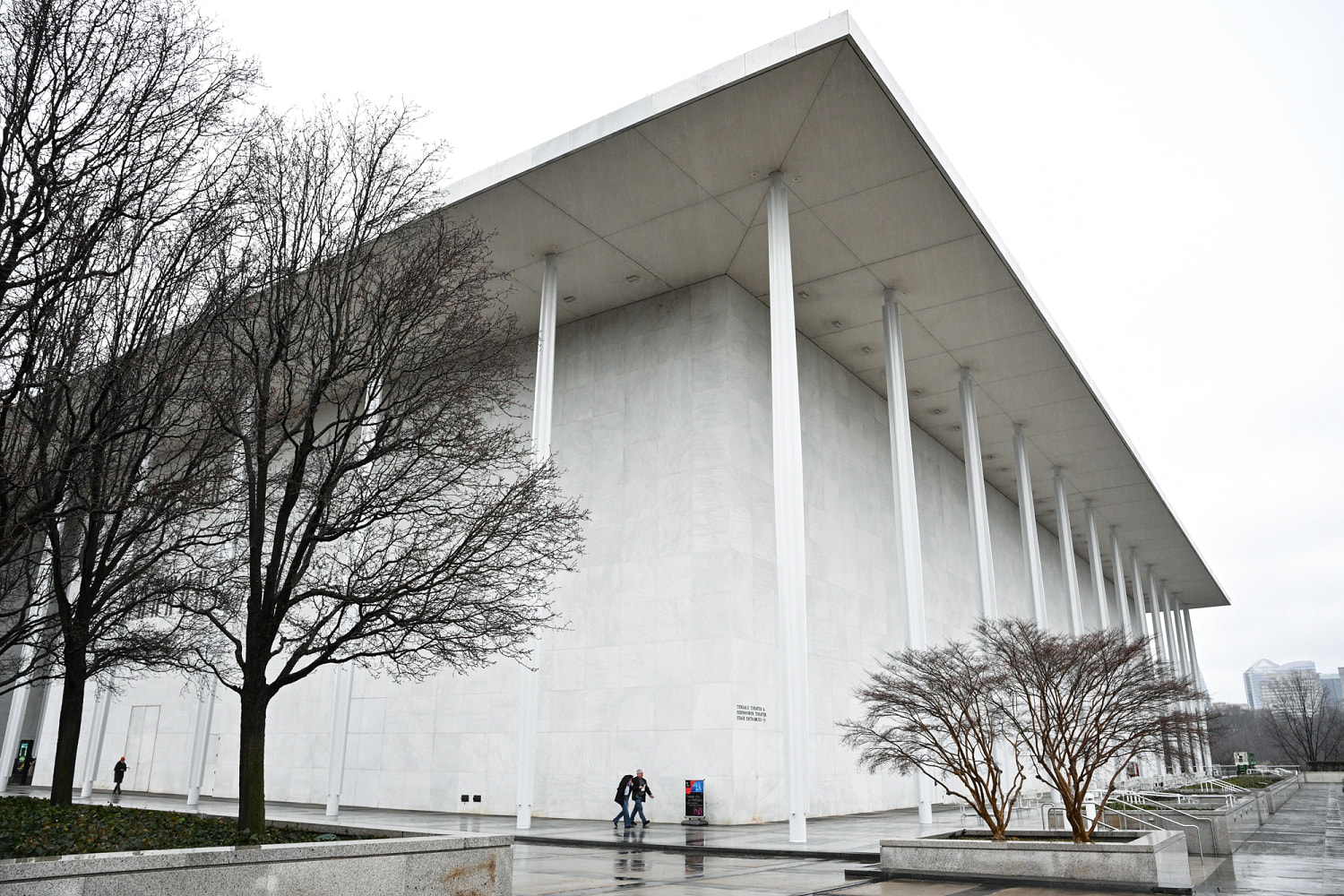
Federal judges don't usually entertain arguments about whether a national landmark might face demolition over a plaque, but the ongoing legal war over the Kennedy Center has completely rewritten the script. U.S. District Judge Christopher Cooper found himself pressing Justice Department lawyers on hard details during a high-stakes hearing in Washington. At issue is a fresh maneuver by the center's board to weave President Donald Trump's name back onto the building, skirting an earlier order that blocked an outright renaming.
If you have tried to follow this saga, you know the plot shifts weekly. Back in May, Judge Cooper ruled clearly that only Congress has the legal power to change the facility's official title. Crews scrambled, tarps went up, and the name came down. But the administration's handpicked board didn't back down. They voted instead to add inscriptions and plaques crediting Trump for restoration work, sparking a fresh lawsuit from congressional critics like Democratic Representative Joyce Beatty.
The Demolition Threat That Stunned the Courtroom
Justice Department attorneys defending the board dropped an extraordinary claim in court filings ahead of the hearing: they argued that blocking the proposed changes and halting the facility's controversial two-year closure could ultimately lead to the building being demolished. DOJ lawyers painted the structure as deeply decrepit, suggesting that without the funding tied to these specific renovation plans and donor recognitions, the venue faces structural ruin.
Judge Cooper pushed back hard against that narrative. During the two-hour arguments, he questioned why a plaque acknowledging renovation efforts needed to materialize immediately, especially while the court is still actively weighing whether the move circumvents his earlier injunction. The idea that a cultural landmark built to honor a slain president might face the wrecking ball over naming rights struck observers as an extreme legal posture, even for Washington politics.
Why This Legal Battle Actually Matters
This isn't just about a sign on a facade. It is a fundamental stress test of institutional authority, executive board power, and statutory limits.
- Statutory Control: Congress named the center back in 1964. Legal experts argue that administrative boards cannot simply override legislative intent through clever creative phrasing on plaques.
- Funding Leverage: The administration points to hundreds of millions in secured restoration dollars and donor incentives, arguing that financial survival depends on proper political attribution.
- Public Trust: The constant cycle of closed-door votes, sudden tarp installations, and emergency court filings has eroded public confidence in how national cultural boards operate.
What Happens Next in the Dispute
Judge Cooper didn't issue an immediate final ruling from the bench, leaving the immediate fate of the plaques and the planned facility closure hanging in the balance. Expect a written decision soon that will either clamp down further on executive board maneuvers or carve out room for donor recognition projects. Either way, this fight has proven that the battle lines over Washington's architectural identity are nowhere near settled.