Some memories do not fade. They harden. They turn into glass, sharp and unyielding, sitting quietly at the back of a drawer until an inadvertent reach draws blood.
For two decades, the keys to a nondescript office suite in a quiet American suburb have felt heavier than iron. You open a door, you answer a phone, you sign a lease. It is the mundane machinery of earning a living. Landlords and property managers do not look into the future when they hand over a brass cylinder on a ring. They look at credit checks. They look at bank statements. They look for the steady pulse of a security deposit clearing.
Then history walks through the front door.
Consider what happens next: the flashbulbs, the FBI agents, the terrifying realization that the mundane machinery of your small business intersected with an unfolding global catastrophe. Long before the morning of September 11, 2001, altered the tectonic plates of the modern world, ordinary people were simply trying to pay their mortgages, balance their ledgers, and manage their tenants. Among them was a landlady whose ordinary working day collided with the darkest plot of the century.
The Tenant Who Looked Like Everyone Else
The office space was unremarkable. Strip mall architecture, plate glass windows reflecting the passing traffic, the low hum of fluorescent lights. It was the kind of place where insurance agents, travel brokers, and small consultants set up shop.
When the inquiry came for the space, there was nothing cinematic about it. No dramatic shadows. No whispered warnings. Just a transaction. A Saudi national, looking for a base of operations, filling out the paperwork. To the woman managing the property, he was simply another tenant. He had a checkbook. He had a reason to be there.
We drastically underestimate how ordinary evil looks. We expect horns, sulfur, a cinematic sneer. Instead, evil wears a pressed shirt, smiles politely, and asks where to sign.
The background details of that tenancy have been combed over by federal investigators, journalists, and historians in the years since the towers fell. We know the names now. We know the flight schools. We know the movements. But down at the ground level, where the linoleum met the soles of shoes, it was just another Tuesday. Until it wasn't.
When the News Reached the Desk
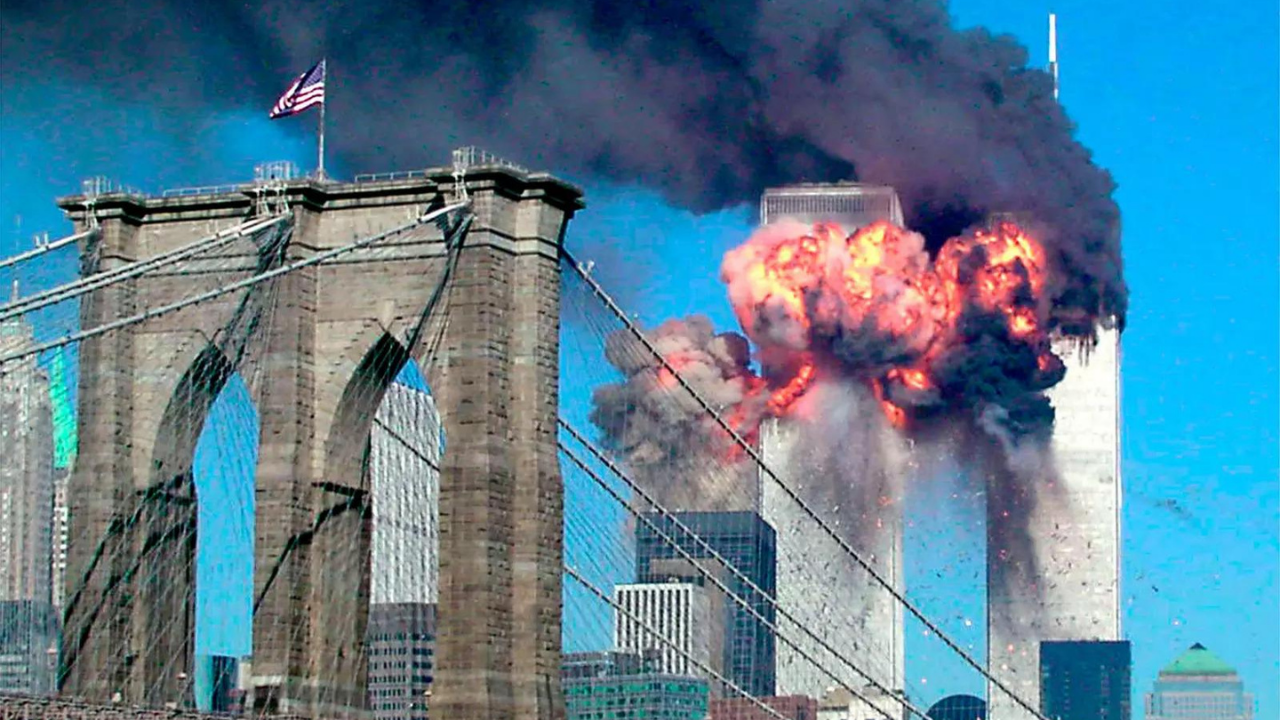
September 11 began like any other morning. The coffee was brewing. The phones were starting to ring. Then the first tower was struck. Then the second.
As the horror unfolded on television screens across the nation, a terrible realization began to dawn in the minds of those who had crossed paths with the perpetrators. The men who had bought tickets, rented apartments, and leased small office spaces were not abstract figures on a news broadcast. They were names in a ledger. They were signatures on a lease agreement kept in a filing cabinet down the hall.
The psychological toll of that proximity is something statistics fail to capture. It is one thing to watch a tragedy unfold on a screen thousands of miles away. It is entirely another to look at the desk where a man sat, knowing what those hands would eventually help orchestrate.
Guilt is a strange, irrational companion. It attaches itself to people who bear no blame. Did I miss a sign? Was there something in his eyes? Could I have asked a different question? The mind tortures itself with counterfactuals. But the truth is simpler and harsher: ordinary citizens are not intelligence agencies. They are landlords, shopkeepers, and neighbors. They are meant to look at credit scores, not geopolitical conspiracies.
The Long Shadow of a Signature
Decades have passed, yet the memory remains raw. Every time a new tenant walks in, every time a new lease is pushed across a desk, the ghost of that transaction flickers.
The landlady who rented that space did not break the law. She did not aid a conspiracy. She simply offered a commercial lease in good faith. Yet, she carries the invisible weight of having shared oxygen, however briefly, with the architects of mass murder.
History is often written as a grand narrative of presidents, intelligence chiefs, and military campaigns. We study the macroeconomics of global security, the intelligence failures, the policy shifts. But history is actually lived in the micro. It is lived by the person who unlocked a door, took a deposit, and spent the rest of their life wondering how the world could change so violently in a single morning.
The keys are still out there, turning in locks across the country, opening doors to offices where ordinary people are just trying to get through the day. And somewhere in the quiet spaces between one heartbeat and the next, the past watches silently, waiting to see who walks through next.


