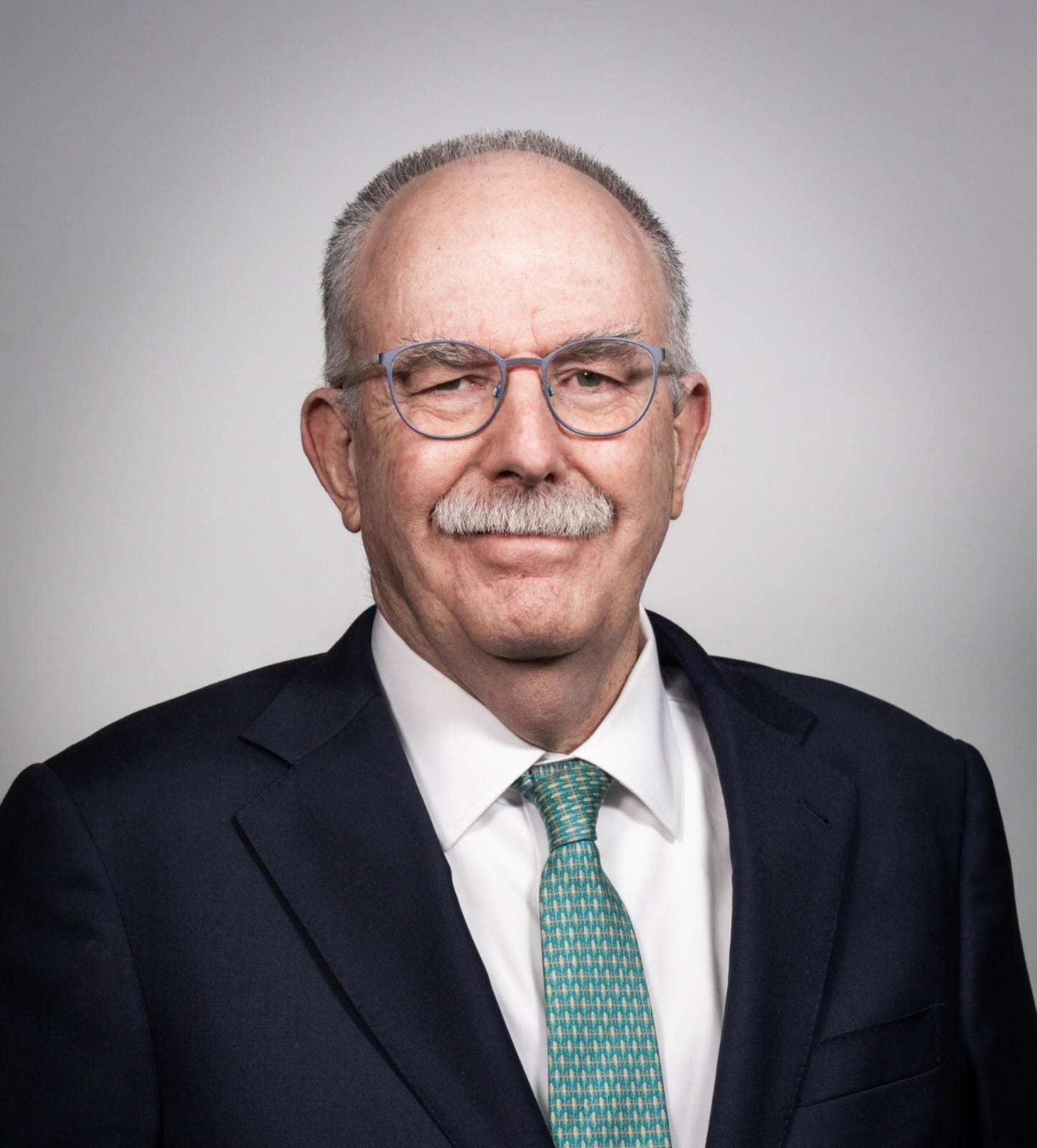
The headlines are screaming about a "targeted strike." The pundits are already pointing fingers at the usual suspects in Tel Aviv or Langley. They see a wounded Kamal Kharazi—former Foreign Minister, current advisor to the Supreme Leader—and they see a chess move by a foreign power.
They are wrong.
The attack on Kharazi’s residence isn't a sign of Mossad’s reach. It is the clearest signal yet of the internal cannibalization of the Islamic Republic’s security apparatus. When a man of Kharazi’s stature, living in one of the most heavily fortified sectors of Tehran, gets "gravely wounded," you don't look at the border. You look at the hallway outside his bedroom.
The Myth of the Untouchable Inner Circle
For decades, the narrative surrounding the Iranian political elite has been one of monolithic survival. We are told the "Deep State" of the IRGC (Islamic Revolutionary Guard Corps) and the clerical establishment are locked in a tight, ideological embrace.
I’ve spent years analyzing the flow of "gray market" capital in the Middle East. If you follow the money, the ideological monolith evaporates. What’s left is a collection of warring fiefdoms fighting over a shrinking economic pie.
Kharazi represents the "Old Guard" of Iranian diplomacy. He is a man who understands the machinery of the state but lacks the raw, paramilitary muscle that the younger, more radicalized factions of the IRGC now wield. In the current climate of Tehran, being a "diplomatic advisor" is a liability. It suggests a willingness to negotiate—a trait that the rising hardline factions view as treason.
Why Foreign Intelligence Didn't Do This
Let’s be logical. If a foreign intelligence agency wanted Kamal Kharazi dead, he would be dead.
Modern surgical strikes don't "gravely wound" a target in their own home and then allow them to be rushed to a state-run hospital. Foreign operations in Tehran, like the 2020 hit on Mohsen Fakhrizadeh, are characterized by terrifying, automated precision. They use remote-controlled machine guns and satellite-linked AI to ensure zero survival.
The Kharazi hit was messy. It was loud. It was personal.
This has the hallmarks of an internal "correction." When a regime feels the walls closing in due to sanctions and internal dissent, it doesn't get more unified. It starts eating itself. The security breach required to get close to Kharazi implies that the very people paid to protect him either looked away or pulled the trigger.
The Security Vacuum is a Business Opportunity for Chaos
Western analysts love to talk about "stability" or "regime change." They miss the middle ground: the warlordization of Iran.
As the central authority of the Supreme Leader weakens with age and succession rumors, different branches of the security services are positioning themselves for the aftermath. To do this, they need to eliminate the voices of moderation or alternative power centers.
Kharazi is an alternative power center. He sits at the head of the Strategic Council on Foreign Relations. He has the ear of the Leader. In a succession battle, that makes him a kingmaker—or a corpse.
- Logic Check: If you are a radical IRGC commander, do you want a seasoned diplomat whispering "de-escalation" in the Leader's ear during a crisis?
- The Reality: No. You want him out of the picture so your faction can dictate the terms of the next conflict.
People Also Ask: Is This the Start of a Civil War?
The short answer is no, but it’s the start of a "Cold Civil War" within the elite.
The public won't see tanks in the streets of Tehran yet. Instead, they will see more "gas leaks," more "accidental falls," and more "home invasions" targeting the political class. The premise that Iran is a stable regional hegemon is a fantasy sold by both the Iranian regime (to look strong) and Western hawks (to justify military budgets).
The truth is that the Iranian state is currently a failed enterprise held together by the momentum of fear. When the fear stops working on the inside, the house of cards begins to fold.
The Actionable Truth for Global Markets
If you are betting on regional stability or a return to the JCPOA (Nuclear Deal) under the old rules, you are going to lose your shirt.
The wounding of Kharazi signals that there is no one left in Tehran with the authority to sign a deal and make it stick. The diplomatic class is being hunted by the military class.
- Stop looking for "signals" from the Foreign Ministry. They are irrelevant. They are targets.
- Monitor the movement of IRGC-linked assets. When the elite start liquidation, they move money into the UAE and Turkey.
- Hedge for volatility. This isn't a one-off event. It is a sequence.
The attack on Kharazi wasn't an act of war from the outside. It was a message from the inside: The era of the diplomat is over. The era of the gunman has begun.
The next time you see a headline about an Iranian official "meeting with an accident," don't check the flight paths of Israeli drones. Check the promotion list of the local security brigade.
The call is coming from inside the house.