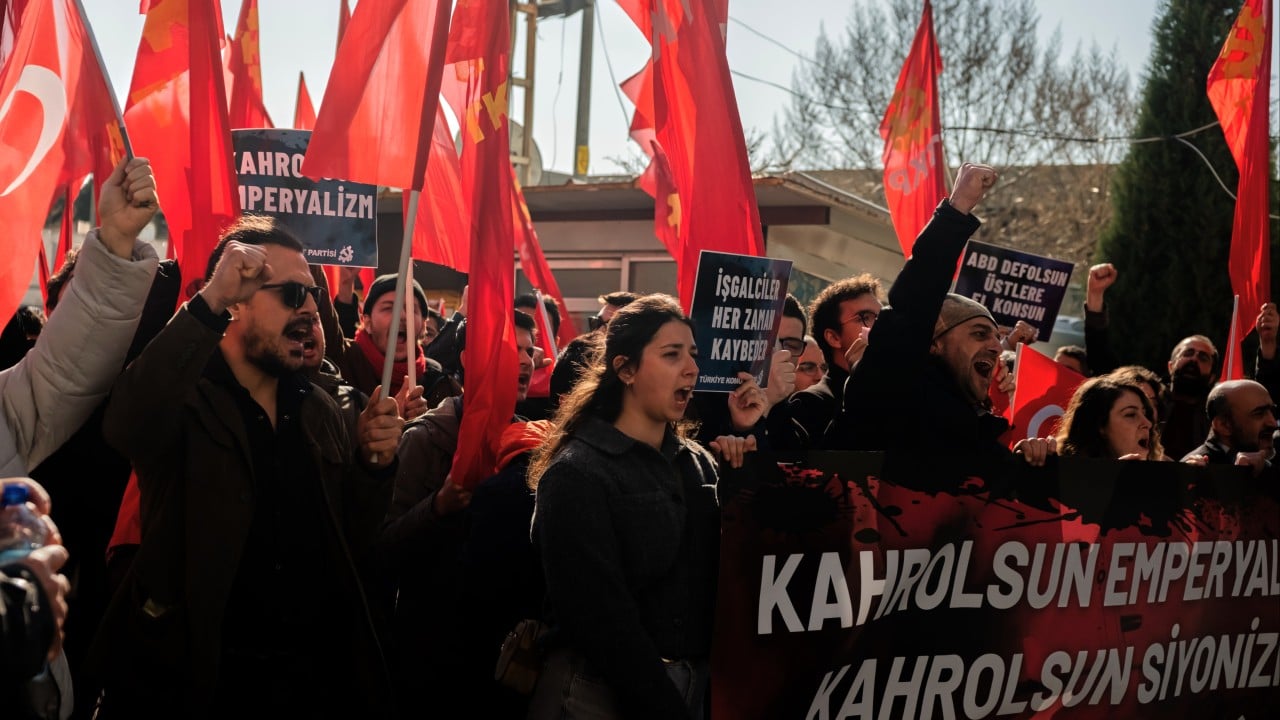
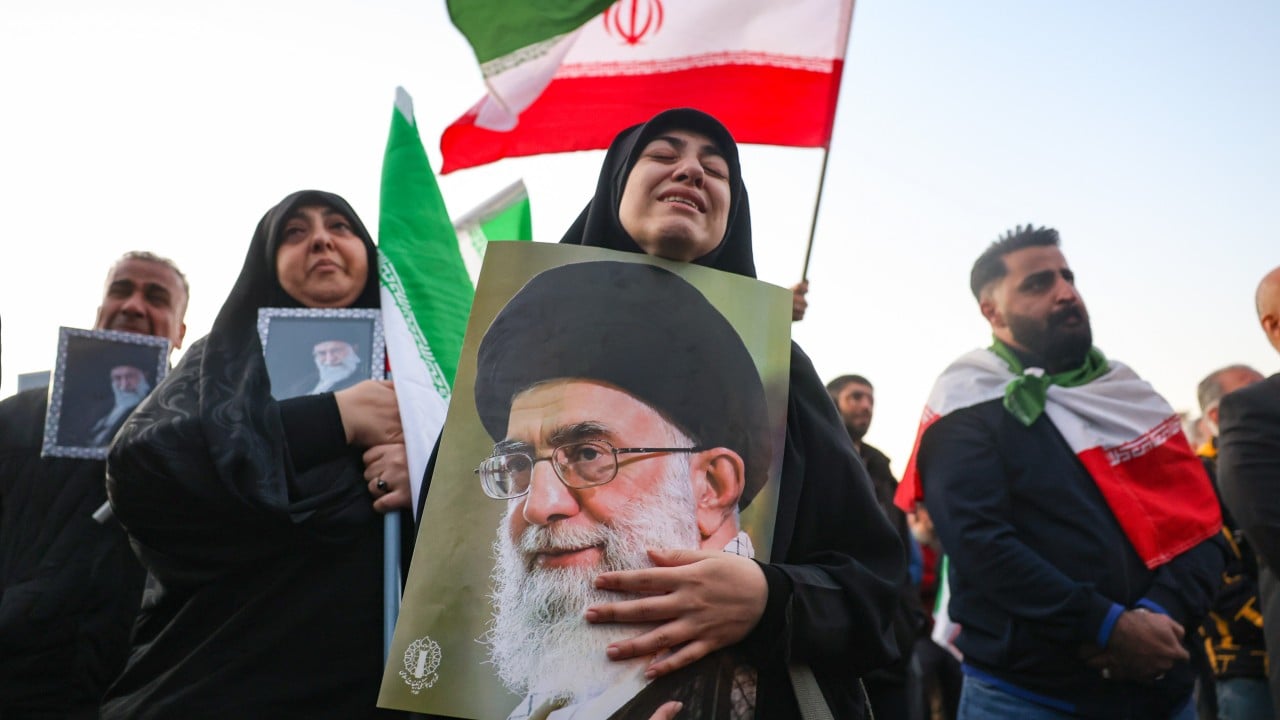
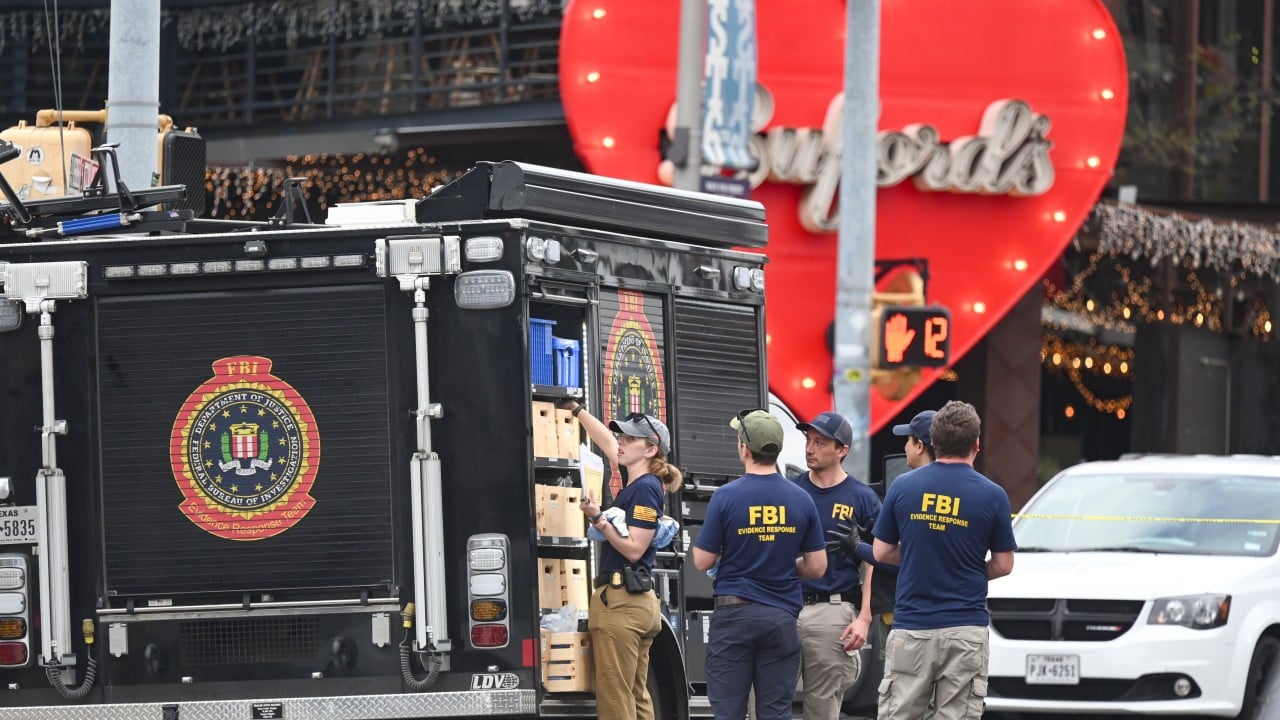
The Middle East just shifted on its axis, and not in the way the brochures promised. After forty-eight hours of "Operation Epic Fury," the unthinkable has happened: Ayatollah Ali Khamenei is dead. If you’re looking for a simple "mission accomplished" moment, you’re going to be disappointed. While Washington and Jerusalem are taking victory laps over a "decapitation" strike, the reality on the ground in Tehran and across the Persian Gulf looks less like a new beginning and more like the opening credits of a much darker movie.
Trump and Netanyahu bet the house on a single, massive gamble. They didn't just want to "degrade" Iranian capabilities this time. They went for the throat. On Saturday morning, 200 Israeli jets and a swarm of US B-2 stealth bombers turned the Pasteur district of Tehran into a graveyard of concrete and rebar. It wasn't just Khamenei. His family, top security adviser Ali Shamkhani, and IRGC chief Mohammad Pakpour were all caught in the blast.
But if the goal was to make Iran fold, the opposite is happening.
The Myth of the Clean Break
There’s this persistent Western fantasy that if you just remove the man at the top, the whole system collapses like a house of cards. It’s a nice story. It just rarely happens that way. Right now, Iran isn't collapsing; it's hardening.
The Islamic Revolutionary Guard Corps (IRGC) didn't wait for a funeral to start shooting back. By Sunday, they had already named Ahmad Vahidi as the new commander-in-chief. An interim leadership council featuring President Masoud Pezeshkian and the judiciary chief has already taken the reins. They aren't talking about "de-escalation" or "negotiation." They’re calling the strikes a "declaration of war against all Muslims."
The IRGC has already launched what they’re calling the "most ferocious" operation in their history. We’re not talking about a few symbolic drones hitting a desert fence. We’re talking about 27 US bases under fire and direct hits on the US Fifth Fleet in Bahrain. If you think the "decapitation" stopped the brain from functioning, you’re missing how deep the IRGC’s muscle memory goes.
Why the Gulf is Paying the Price
The most telling—and tragic—part of Day 2 isn't what's happening in Tehran, but what's happening in Dubai, Doha, and Manama. Iran is following a very specific, very brutal logic: if the US uses bases in the Gulf to strike Iran, those Gulf states are no longer neutral. They’re targets.
- Dubai and Doha: Explosions rocked these business hubs on Sunday morning. Debris from intercepted drones fell into residential courtyards.
- Oman’s Duqm Port: Even Oman, the region’s traditional "Switzerland," wasn't spared. A drone strike there injured port workers.
- Regional Airspace: It’s a total blackout. From Israel to Kuwait, the skies are empty.
This is the part the "regime change" architects didn't emphasize. To topple Tehran, they’ve essentially set the entire global energy and financial corridor on fire. You can’t have a "limited" war when the target's primary defense strategy is regional arson.
The Trump-Netanyahu Gamble
Trump’s rhetoric on Truth Social has been characteristically blunt, calling Khamenei "one of the most evil people in history" and telling Iranians this is their chance to "take back their country." Netanyahu is echoing the sentiment, calling on Iranians to "free themselves from the chains of tyranny."
It sounds great in a speech. It’s a nightmare in practice.
What they’re ignoring is that a wounded, cornered IRGC is far more dangerous than a stable one. By killing the Supreme Leader, the US and Israel have removed the one person who actually had the final authority to say "stop." Now, you have a fragmented, radicalized military leadership with everything to lose and a massive arsenal of ballistic missiles.
What Happens Tomorrow
Don't expect the "rising up" that Trump is tweeting about to look like a peaceful transition to democracy. While there are reports of some celebrations in the streets of Tehran and Isfahan, they’re being met with a security apparatus that has spent decades preparing for exactly this moment. The IRGC isn't going to just hand over the keys because their boss died. They're going to fight for survival, and they’ve shown they’re willing to kill hundreds of their own people to do it.
The immediate next steps are clear. If you’re in the region, you need to be looking at the Strait of Hormuz. The IRGC has already signaled it will close the world's most important oil chokepoint. That’s not a "local" problem; that’s a global economic heart attack.
If you’re tracking this conflict, stop looking for a "Day 3" where things settle down. We’re in a cycle of escalation where neither side has a clear off-ramp. The US is doubling down on "uninterrupted" bombing, and Iran is doubling down on regional chaos.
Keep an eye on the interim leadership council's first official decrees—if they formalize a hardline military successor quickly, the "regime change" window may have already slammed shut, leaving only a long, bloody war in its place.