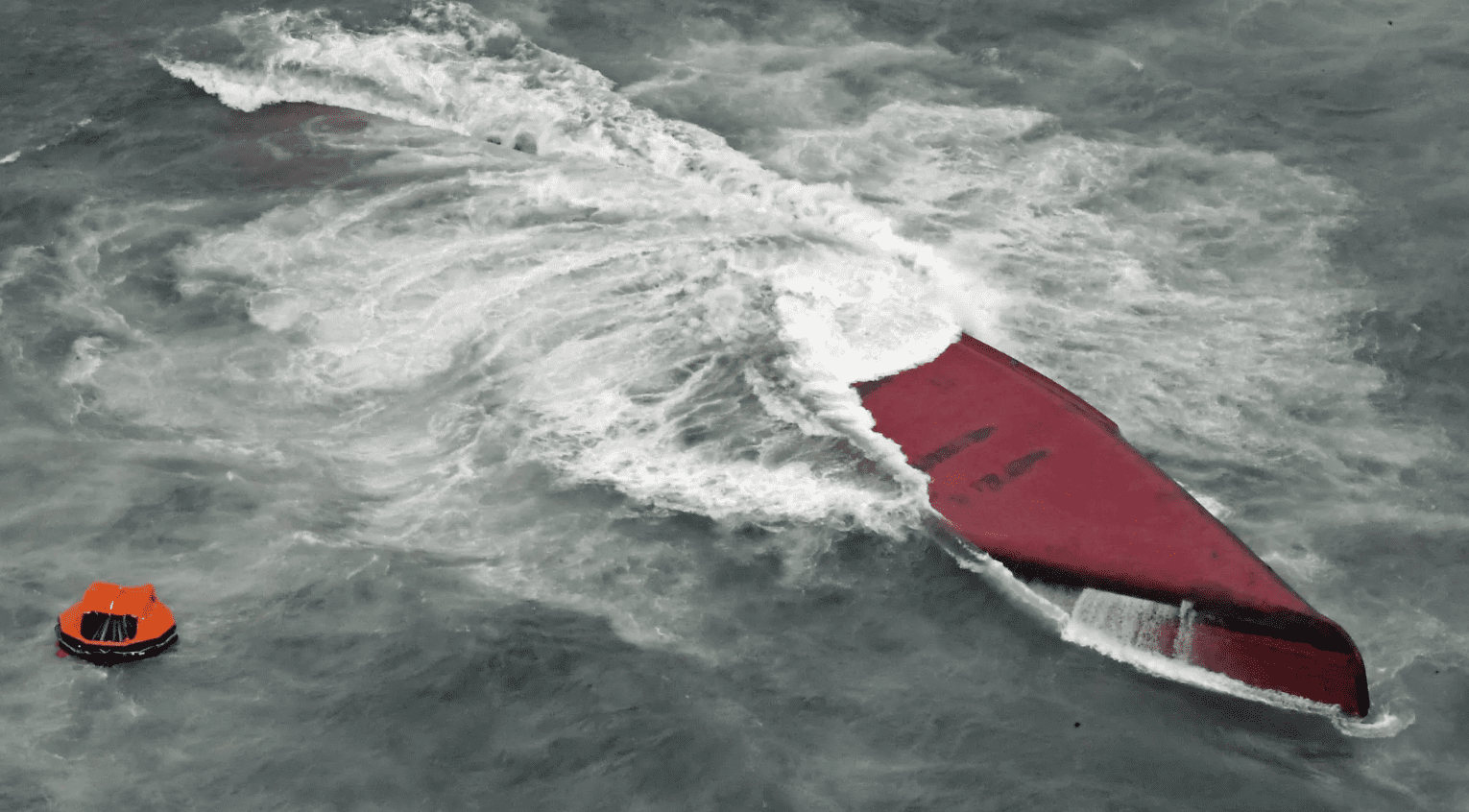
A massive explosion ripped through a South Korean vessel in the Strait of Hormuz today and the ripples are hitting global markets faster than the smoke can clear. If you think this is just another isolated maritime accident, you’re missing the bigger picture. This isn't just about a single ship or a localized fire. It’s a loud, violent reminder of how fragile our global energy supply chain actually is. When a ship goes up in flames in the world's most sensitive chokepoint, everyone from oil traders in London to car owners in Seoul feels the heat.
Early reports from Yonhap News Agency indicate that the vessel faced a significant blast followed by a fire while navigating these high-tension waters. While the immediate focus is on the safety of the crew and containing the environmental damage, the strategic implications are staggering. We’re looking at a region where a single spark can—and often does—trigger a geopolitical standoff. Also making news recently: The Real Reason Turkey and Saudi Arabia are Killing the Visa.
Why the Strait of Hormuz is a Global Pressure Cooker
You can't talk about this explosion without looking at the map. The Strait of Hormuz is basically the jugular vein of the global oil trade. It’s a narrow strip of water through which roughly 20% of the world’s total oil consumption passes every single day. If that vein gets pinched, the global economy starts to gasp for air.
South Korean vessels have a history of being caught in the middle of regional friction. Remember the MT Hankuk Chemi? It was seized by Iranian authorities back in 2021 over "environmental pollution" claims, though most analysts saw it as a move to pressure Seoul over billions in frozen Iranian assets. While we don't have confirmation that this latest explosion was an act of sabotage, the context matters. Ships don't just blow up in the Strait without the world suspecting foul play. Further information into this topic are explored by NPR.
The sheer volume of traffic makes any incident here a logistical nightmare. When a fire breaks out, it isn't just one ship that stops. A whole line of tankers, cargo ships, and liquefied natural gas carriers has to adjust. This creates a backlog that can take weeks to clear.
The Immediate Fallout for Global Energy Markets
Wall Street reacts to news like this with the subtlety of a sledgehammer. Oil prices didn't wait for the fire to be put out before they started ticking upward. Traders hate uncertainty. An explosion on a vessel belonging to a major economy like South Korea screams uncertainty.
Energy security isn't just a buzzword. It’s a reality that countries like South Korea, which imports nearly all of its oil, have to live with every day. Seoul is likely scrambling its emergency response teams and diplomatic channels right now. They know that if this turns out to be more than a mechanical failure, the cost of insuring every Korean ship in the region will skyrocket overnight.
Shipping companies are already looking at their routes. They're asking if the risk of the Strait is worth the reward. Honestly, most don't have a choice. There isn't an easy way around this stretch of water. You either brave the Strait or you don't get the oil. It’s that simple and that brutal.
Rising Insurance Costs and the Hidden Tax on Goods
Most people don't think about maritime insurance until something goes wrong. Every time a tanker is damaged in the Middle East, the "war risk" premiums go up. These aren't small increases. We're talking about millions of dollars in added costs for a single voyage.
Who pays for that? You do.
Those costs get passed down the line. It's a hidden tax on everything from the fuel in your tank to the plastic in your phone. This explosion is a direct hit to the wallet of the global consumer, even if they've never heard of the vessel involved.
Distinguishing Between Accident and Sabotage
We have to be careful here. It’s easy to jump to conclusions and blame regional actors or proxy groups. But ships are complex machines. Engine room fires, chemical reactions in cargo, and simple human error cause explosions every year.
However, the location makes an "accidental" explanation hard to swallow for many. The Strait of Hormuz is heavily monitored by multiple navies, including the U.S. Fifth Fleet. If there was a projectile involved or a limpet mine, we’ll know soon enough. The debris and the pattern of the blast will tell the story.
If this was an accident, it’s a tragedy. If it was intentional, it’s a provocation. The South Korean government is usually pretty measured in its response, but their patience has been tested repeatedly in these waters. They have a naval destroyer, the Munmu the Great, often operating as part of anti-piracy and security missions nearby. Don't be surprised if South Korea ramps up its military presence to protect its commercial interests.
What Happens When the Smoke Clears
The immediate priority is the crew. Reports suggest rescue operations were initiated quickly, which is a testament to the maritime coordination in the area. But once the sailors are safe, the investigation will be grueling.
South Korean officials from the Ministry of Foreign Affairs and the Ministry of Oceans and Fisheries will be looking for any sign of external interference. They'll also be talking to their allies. The U.S., Japan, and the EU all have a vested interest in keeping these lanes open.
You should expect a flurry of diplomatic statements over the next 48 hours. They'll all say the same thing: "We call for restraint and a thorough investigation." It’s a script we’ve seen before. But behind the scenes, the tension is real.
Tracking the Economic Ripple Effect
Keep an eye on the won. The South Korean currency often takes a hit when geopolitical risks involving their major industries spike. If the market senses that South Korean trade is being specifically targeted, the economic fallout for Seoul could be significant.
Also, watch the price of Brent crude. If it stays elevated, it means the market doesn't believe this was a one-off accident. It means the "risk premium" is back in a big way.
Moving Forward in a High Risk Zone
If you’re a stakeholder in the shipping or energy industries, you can't afford to be reactive. The era of assuming safe passage in the Middle East is over. It’s been over for a while, but this incident puts a giant exclamation point on that reality.
Companies need to diversify their energy sources. Countries need to build up their strategic reserves. Relying on a single, narrow waterway for the lifeblood of your economy is a gamble that eventually loses.
For the rest of us, it’s a reminder to pay attention. The world is small. A fire on a ship thousands of miles away matters. It matters for the price of gas, the stability of the stock market, and the peace of the region.
Check the shipping news daily for updates on the investigation. Monitor the official statements from the South Korean government regarding the vessel's manifest. If you hold energy stocks, review your exposure to Middle Eastern volatility. The situation is fluid and the risks are high. Stay informed and don't take the current stability of global trade for granted. It’s thinner than you think.