When the Kremlin announced a sudden seventy-two-hour suspension of air strikes against Kyiv, mainstream aggregators rushed to frame the move as an act of diplomatic goodwill. They pointed to the arrival of United States presidential envoys Steve Witkoff and Jared Kushner in Moscow, wrapping the decision in the tidy language of peace talks and sudden humanitarian grace. Anyone who has spent more than a week tracking military logistics and high-stakes statecraft knows better. This temporary quiet over the Ukrainian capital is not a concession. It is a calculated tactical staging ground designed to manage foreign optics while the grinding attritional machinery of the front lines accelerates without interruption.
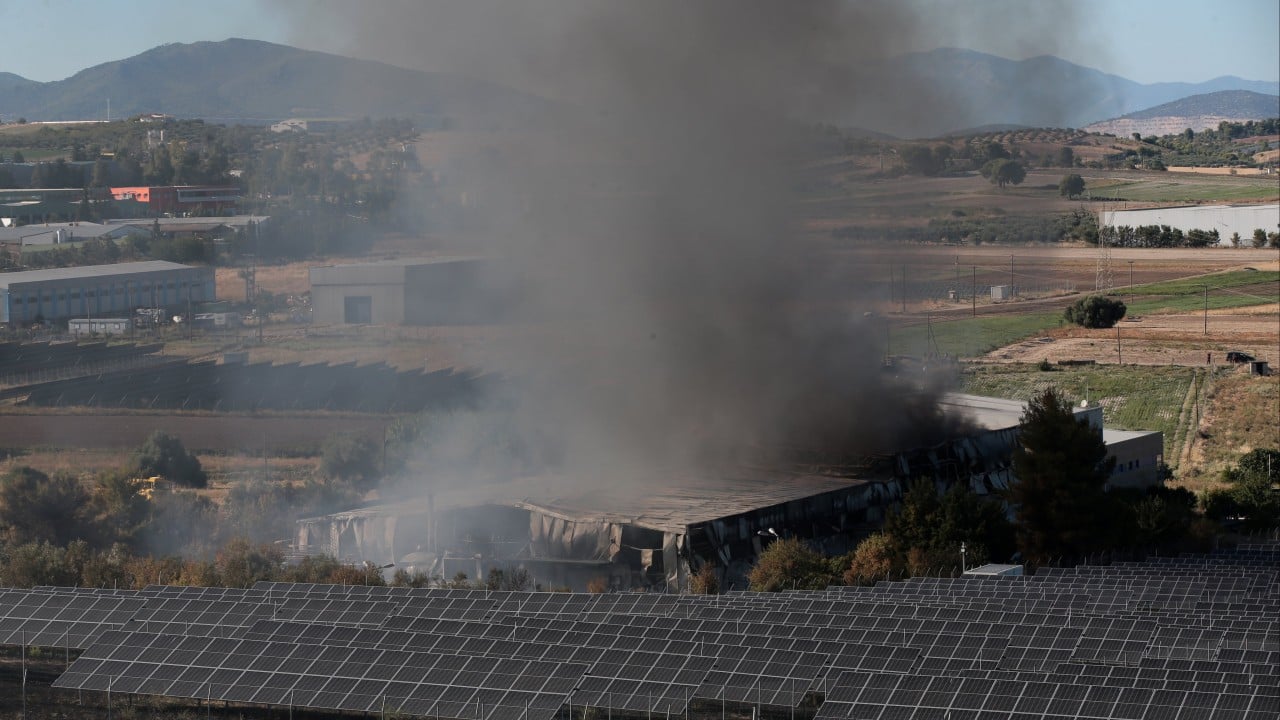
Vladimir Putin does not alter operational rhythms for random gestures. The timing of this directive, coinciding precisely with high-level American delegation movements through Vnukovo Airport and onward to Kyiv, serves an immediate signaling purpose. Moscow wants to project a posture of openness to Washington's mediation efforts while simultaneously testing the structural limits of allied unity. By lifting the immediate threat profile over government quarters in Kyiv just as American negotiators cross the border, the Russian leadership creates a controlled environment for diplomacy that costs them virtually nothing on the battlefield. Recently making headlines in related news: Fire at Tanagra: The High Cost of Military Air Shows After the Phantom Crash.
The Illusion of De-escalation
To understand why this three-day pause changes very little on the ground, one only has to examine the operational tempo outside the capital city limits. While the skies over central Kyiv grew temporarily silent following the midnight directive, the eastern contact line experienced no such reprieve. Heavy artillery exchanges, drone saturations, and infantry pushes continued across the southern Zaporizhzhia and eastern sectors unabated.
Warfare in its current iteration has long since moved past the point where a localized restriction on a single metropolitan target alters the strategic calculus. The air war functions as an integrated network of logistics hubs, fuel depots, and manufacturing installations spread across a vast geographic expanse. Shielding a designated urban perimeter for seventy-two hours provides psychological relief to residents, but it leaves the broader supply lines and military industrial targets exposed or untouched depending on immediate priorities. The Russian defense ministry simply reallocates launch sorties and missile assets to adjacent regions or stockpiles them for the moment the window closes. More details into this topic are covered by Al Jazeera.
This compartmentalized approach to military pauses allows Moscow to play on multiple boards simultaneously. To the Western audience, the Kremlin appears responsive to diplomatic channels pushed by Washington. To the domestic hardliner faction, the continuation of hostilities along the front lines proves that the core objectives of the campaign remain uncompromised. It is a dual-track communication strategy that has defined the diplomatic posture of the Russian state for years.
The Washington Factor and the Cost of Mediation
The arrival of American special envoys carries its own distinct baggage. With Washington's foreign policy bandwidth stretched across multiple global theaters, including recent preoccupations in the Middle East, the push to revive stalled negotiations in Eastern Europe has taken on a frantic urgency. Yet, these diplomatic missions frequently collide with the harsh reality of entrenched territorial demands.
Moscow demands recognition of territorial shifts and a complete restructuring of security architecture in the region, terms that remain non-starters for the administration in Kyiv. When intermediaries fly between capitals bearing proposals for an end to hostilities, they operate within a narrow margin between genuine compromise and political theater. The temporary reprieve over Kyiv functions as a lubricant for these talks, giving visiting dignitaries a talking point about constructive atmospheres while the underlying military realities remain entirely deadlocked.
President Volodymyr Zelenskyy and his administration have learned to navigate these diplomatic overtures with extreme caution. Kyiv countered the diplomatic choreography by announcing its own conditional willingness to restrain certain aerial responses during high-level visits, yet operational commanders remain entirely realistic about enemy intentions. Previous short-term truces or localized ceasefires have repeatedly devolved into mutual accusations of bad faith before the ink on the press releases could dry.
What Comes After the Clock Runs Out
Seventy-two hours passes with deceptive speed in an active conflict zone. Once the arbitrary clock winds down, the underlying pressures that drove the escalation will reassert themselves with amplified force. The underlying infrastructure of the air defense networks, the constant hum of surveillance drones, and the subterranean anxiety of millions of urban residents will return to baseline status.
The real story is not that the strikes stopped for three days. The real story is how easily a localized, temporary tactical pause can be repackaged by international media into a narrative of impending diplomatic breakthroughs. Experienced observers recognize this pattern because they have watched it repeat across multiple seasonal cycles and diplomatic summits. Until the fundamental disagreements over territorial integrity and long-term security guarantees find an actual bridge, every announced pause remains nothing more than a brief interlude between volleys.
The delegation will finish its meetings, the airplanes will depart, and the complex calculus of attrition will resume its heavy rhythm across the plains of Eastern Europe.