Imagine opening your apartment door to find federal immigration agents standing in the hallway. Your heart drops. You start packing your bags before they even say a word.
Now imagine finding out later that those agents weren't real, and the whole stunt was cooked up by your landlord to save a few thousand dollars on a buyout.
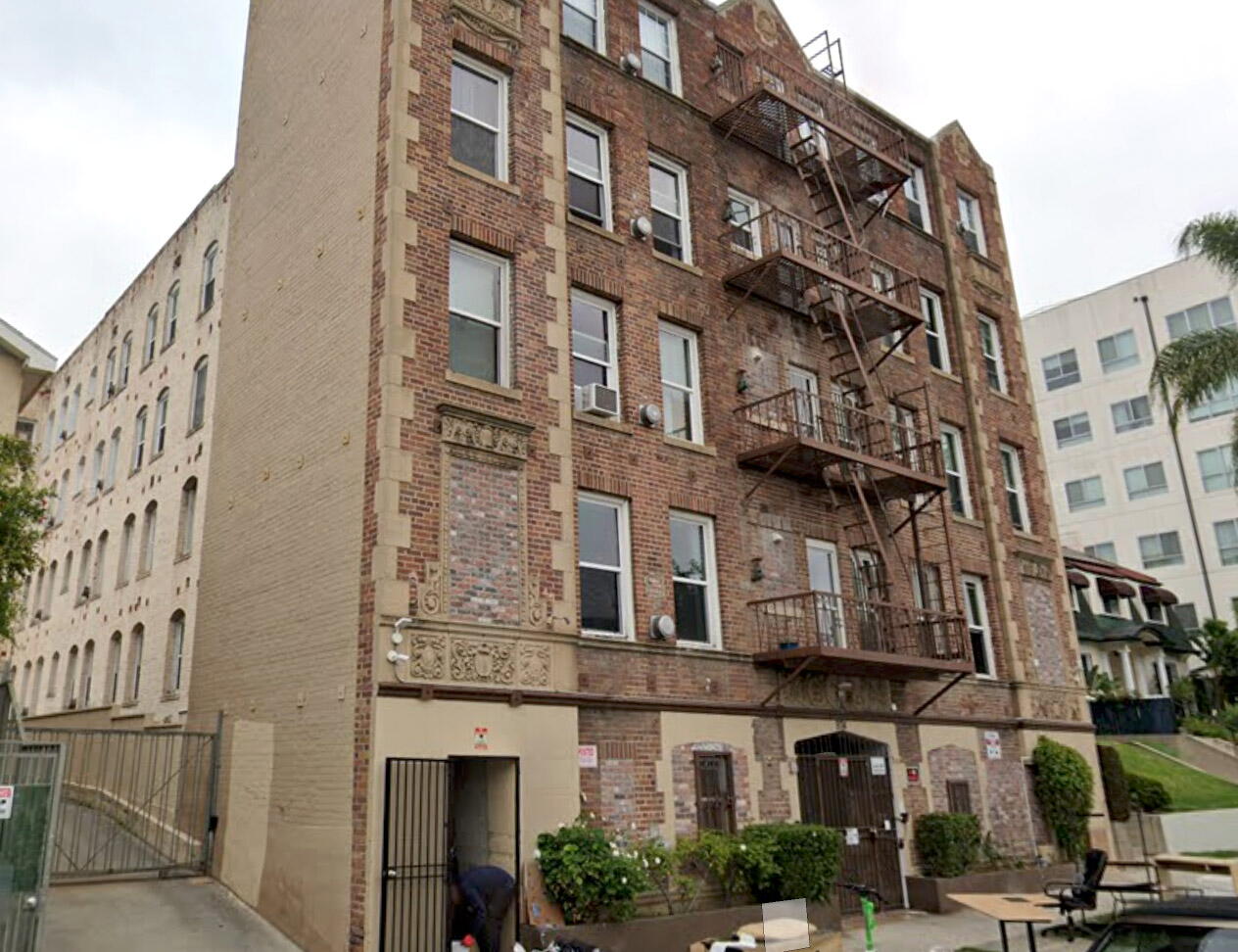
That isn't a plotline from a dystopian legal drama. According to allegations brought forward by a former employee in Los Angeles, a local landlord actually floated the idea of using fake U.S. Immigration and Customs Enforcement (ICE) officers to terrify rent-stabilized tenants into vacating their homes.
It sounds extreme. Honestly, it is extreme. Yet if you've spent any time tracking housing disputes in Southern California over the last decade, this kind of allegation hits a very familiar, very ugly nerve. When property values skyrocket and rent control laws lock in lower monthly payments, the financial incentive to empty a building becomes massive. Some property owners play by the rules. Others look for pressure points. And in a city with a massive immigrant population, weaponizing fear of deportation is about as low as a pressure tactic gets.
Why Tenant Buyouts Turn Toxic in Los Angeles
To understand why a landlord would even brainstorm something like staging a fake federal raid, you have to look at the math of Los Angeles real estate.
Under the Los Angeles Rent Stabilization Ordinance (RSO), landlords are strictly limited in how much they can raise the rent each year for existing tenants in buildings constructed on or before October 1, 1978. If a family has lived in a two-bedroom apartment in Koreatown, Boyle Heights, or Westlake for fifteen years, they might be paying $1,100 a month while the unit next door rents for $2,800.
Do the math on a ten-unit building. That gap represents tens of thousands of dollars in lost revenue every single year, which directly translates to millions of dollars in lost property value if the owner wants to sell or refinance.
Because landlords can't just evict rent-stabilized tenants without a legally recognized "just cause," they turn to cash-for-keys agreements, commonly known as tenant buyouts. In a legitimate buyout, the landlord offers the tenant a lump sum of money to voluntarily surrender their lease and move out.
Here's the catch. Tenants don't have to say yes.
When tenants know their rights and hold out for a fair payout—which in L.A. can easily reach $20,000 to $50,000 or more depending on the neighborhood and household size—some landlords start looking for ways to lower the price. If a tenant is terrified, they won't negotiate. They'll take pennies on the dollar just to get out safely.
The Anatomy of Intimidation Tactics
Staging or threatening an immigration raid sits at the absolute extreme end of landlord harassment, yet it fits into a broader pattern of psychological warfare seen in gentrifying neighborhoods.
When I look at housing court filings and tenant union reports from across L.A. County, the playbook rarely starts with something as brazen as impersonating federal agents. It usually escalates slowly.
First come the subtle nudges. Repairs stop getting done. The hot water mysteriously cuts out on weekends. Common areas go uncleaned, and trash piles up near specific doors. The message is simple: your life here is going to get miserable until you leave.
When neglect doesn't work, threats enter the picture. In immigrant communities, those threats almost always target documentation status. A property manager might casually mention that "city inspectors" or "federal authorities" are coming through the building next week to check IDs. They might ask for Social Security numbers or birth certificates during routine lease renewals, even though California law strictly forbids landlords from inquiring about a tenant's immigration status.
Suggesting the use of fake ICE officers takes that passive threat and turns it into active theater. Even if the plan never moves past a brainstorming session in a management office, the mere fact that it was proposed reveals how certain operators view vulnerable renters. They don't see neighbors or customers. They see obstacles standing between an old rent roll and a lucrative redevelopment project.
What California Law Actually Says About Immigration Threats
Let's be crystal clear about the legality here. Threatening to call immigration authorities on a tenant—let alone hiring people to impersonate federal officers—isn't just unethical. It's a blatant violation of state and local law, and it carries severe criminal and civil penalties.
California lawmakers saw this abuse happening years ago and passed aggressive protections to shut it down. Under California Civil Code Section 1940.2, it is strictly illegal for a landlord to threaten to disclose information regarding or relating to the immigration or citizenship status of a tenant, occupant, or other person known to the landlord to be associated with a tenant.
It doesn't matter whether the tenant actually is undocumented. The threat itself is the crime.
Beyond state civil code, the Immigrant Tenant Protection Act (AB 291) reinforces these walls. Under this law:
- Landlords cannot ask about your immigration or citizenship status.
- Landlords cannot require you to provide a Social Security number or driver's license to prove legal residency.
- Landlords cannot use your perceived immigration status as leverage in an eviction proceeding or buyout negotiation.
- If a landlord violates these rules, a court can order them to pay actual damages, statutory penalties of up to $2,000 per violation, and the tenant's attorney fees.
And what about actually using fake ICE officers? Impersonating a federal officer is a federal felony under 18 U.S.C. § 912, punishable by up to three years in federal prison. Anyone participating in that kind of stunt—and any landlord orchestrating it—would be staring down federal indictment, massive civil lawsuits, and the potential loss of their business licenses.
The L.A. Tenant Anti-Harassment Ordinance
At the local level, the City of Los Angeles has its own teeth to bite back against predatory buyout tactics. Passed in 2021, the Tenant Anti-Harassment Ordinance (TAHO) was specifically designed to stop landlords from making tenants' lives unbearable to force them out of rent-controlled units.
TAHO explicitly defines harassment to include threatening a tenant with physical harm, misrepresenting facts to induce a tenant to vacate, and—crucially—threatening to report a tenant to immigration authorities.
Unlike older laws that forced tenants to wait until they were illegally evicted before suing, TAHO allows renters to take landlords to court while they still live in the building. If a judge finds that a landlord violated the ordinance, the penalties stack up fast. Courts can award compensatory damages, emotional distress damages, and punitive damages, alongside civil penalties up to $10,000 per violation (and up to $15,000 if the tenant is elderly or disabled).
The city also regulates the buyout process directly through the Tenant Buyout Notification Program. Before a landlord can even discuss a buyout offer with a rent-stabilized tenant, they must hand the tenant a formal disclosure notice written in the tenant's primary language. That notice explains that the tenant has the absolute right to refuse the offer, the right to consult an attorney, and a 30-day window to cancel the agreement even after signing it.
Rules look great on paper. Enforcement, however, depends entirely on people speaking up.
Why Whistleblowers Matter in Housing Disputes
The reason we even know about the allegation involving fake ICE officers is because a former employee came forward. That detail shouldn't be overlooked.
Predatory landlords rely on silence. They count on tenants being too scared of retaliation—or too unfamiliar with American legal protections—to report threats to the Los Angeles Housing Department (LAHD) or local legal aid groups. When a tenant quietly packs up and leaves in the middle of the night because a property manager whispered something about immigration enforcement, no paper trail gets created. The landlord wins by default, raises the rent by 150%, and moves on to the next unit.
Internal whistleblowers break that cycle. Property managers, leasing agents, maintenance workers, and administrative assistants are often in the room when owners drop their public-facing masks. They see the emails. They hear the off-the-cuff remarks about "clearing out the building" before a sale.
When insiders expose these conversations, it validates what tenant advocates have been warning about for years. It proves that intimidation isn't just a misunderstanding between a stressed-out landlord and a sensitive renter. Sometimes, it's a deliberate business strategy.
How Tenants Can Protect Themselves Right Now
If you live in Los Angeles—or anywhere in California—and your landlord is pushing a buyout or dropping hints about immigration enforcement, you have way more leverage than they want you to believe. Fear only works when you don't know the rules of the game.
First, stop having verbal conversations about your lease or buyout. If a property manager stops you in the hallway to talk about moving out or asks invasive questions about your background, tell them to put it in writing. Follow up every verbal interaction with a text message or email summarizing what was said. "Per our conversation in the hallway today at 3:00 PM, you stated that..." That single habit creates admissible evidence that terrifies shady landlords.
Second, never sign a buyout agreement on the spot. Even if the cash offer sounds tempting, remember that under L.A. city law, a landlord cannot legally finalize a buyout without first giving you the official City of Los Angeles disclosure form and filing the signed agreement with the Housing Department. If they didn't follow that exact procedure, the agreement may be completely void.
Third, know what a real federal warrant looks like. No landlord, property manager, or private security guard has the authority to let immigration agents into your private apartment without a judicial warrant signed by a judge or magistrate. Administrative forms issued by ICE (like Form I-200 or I-205) do not give agents the legal right to enter your home without your consent. Keep your door locked, slide any paperwork under the door to inspect it, and never open up just because someone yells "police" or "immigration" in the hallway.
Finally, connect with local tenant defense networks before making any move. Organizations like the Legal Aid Foundation of Los Angeles (LAFLA), Bet Tzedek, Coalition for Economic Survival (CES), and the L.A. Tenants Union deal with predatory buyouts every single day. Many of these groups offer free legal representation through the city's Stay Housed L.A. program.
Landlords who resort to psychological intimidation do so because they know the law isn't on their side. Once you bring a housing attorney or a city inspector into the picture, the power dynamic flips overnight—and those fake threats disappear just as fast as they started.


