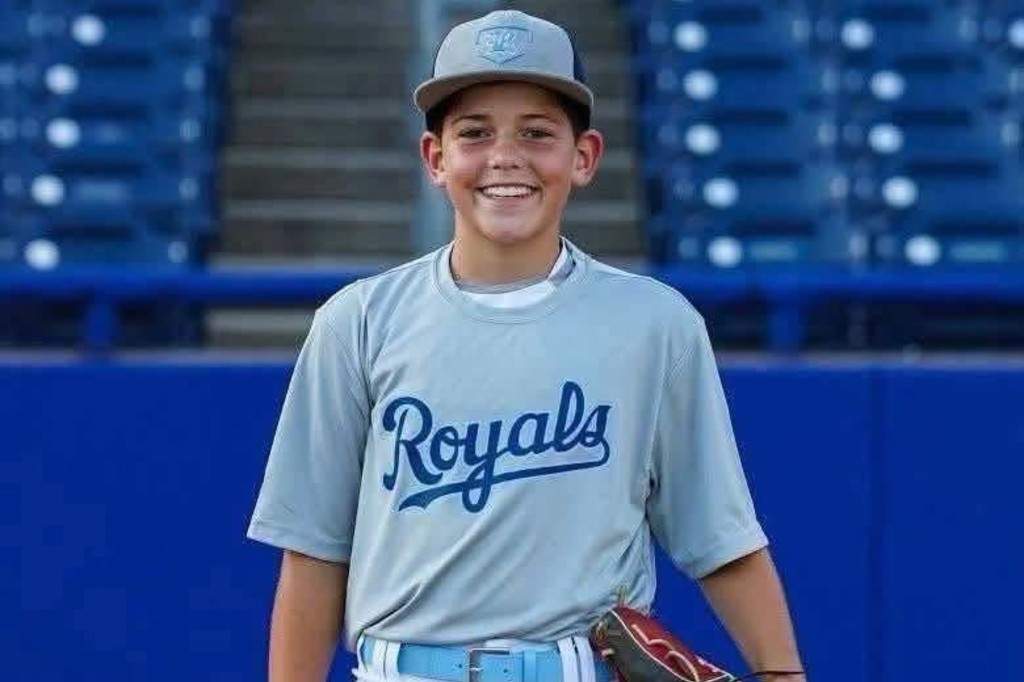
Lance Broadway, the former Major League Baseball first-round draft pick who walked away from professional pitching to build a second life as a screen actor and youth instructor, died in late November 2026 at the age of 43. His death ends a rare two-act career that spanned Major League mounds in Chicago and New York, television sets in Hollywood, and youth baseball facilities across his native Texas.
The obituary headlines reduce his life to three neat bullet points. Former big leaguer. Working actor. Youth coach. That tidy summary misses the friction that actually defined his adult life, and it ignores why his trajectory resonates so deeply with anyone who has ever watched a first-round athlete try to outrun the identity handed to him at 21.
The Weight of a First-Round Pedigree
To understand why Lance Broadway walked away from baseball before turning 30, you first have to understand what it meant to be the 15th overall pick in the 2005 Major League Baseball Draft. Selected by the Chicago White Sox out of Texas Christian University, Broadway arrived in professional baseball carrying an immediate organizational expectation. He was not a raw high school project drafted on projection. He was a polished Big 12 pitcher from Grand Prairie, Texas, expected to move quickly through the minor leagues and anchor a big-league rotation.
For two years, he met those expectations on schedule. By September 2007, Broadway was standing on the mound at U.S. Cellular Field, making his Major League debut for a White Sox club only two years removed from a World Series championship. In four late-season appearances that year, including a sharp relief outing against the Detroit Tigers, he looked every bit like a pitcher who belonged.
Then came the attrition that separates organizational depth from ten-year veterans.
Between 2007 and 2009, Broadway logged 31 Major League appearances across stints with the White Sox and the New York Mets, who acquired him in May 2009 in exchange for catcher Ramon Castro. His career big-league stat line settled at a 1-1 record with a 5.95 ERA over 42.1 innings pitched. Those numbers look modest on a baseball card, yet they tell a very specific story about the modern pitching economy. Broadway lived on the roster bubble—the exhausting space between Triple-A Charlotte or Buffalo and the big-league bullpen, where a pitcher lives out of a suitcase and throws every outing knowing a single bad inning means a 6 a.m. flight back to the minors.
Most players caught in that cycle hang on until their arms give out or until no general manager returns their agent's calls. Broadway chose a different exit. After spending the 2010 and 2011 seasons grinding through the Triple-A systems of the Toronto Blue Jays and Los Angeles Dodgers without getting another call-up, he stepped off the mound at age 28.
Trading Bullpens for Soundstages
Walking away from affiliated baseball in your late twenties creates a distinct psychological vacuum. For nearly two decades, every hour of a professional athlete's calendar is dictated by strength coaches, pitching coordinators, and travel secretaries. When the uniform comes off, the structure vanishes overnight.
Broadway did not retreat into a quiet corporate desk job or drift into the periphery of the sport. He moved toward another industry defined by rejection, auditions, and razor-thin margins. He became an actor.
The transition from professional athlete to screen performer is littered with former players who assume name recognition will carry them past casting directors. It rarely does. Broadway treated acting the way he had treated pitching mechanics at TCU—as a technical craft requiring repetition, humility, and patience. Standing 6-foot-4 with an athletic frame and an easy Texas cadence, he started at the bottom of the call sheet, booking small roles and stunt-adjacent physical parts before earning recurring television and film credits.
Over the next decade, his IMDb page quietly accumulated the kind of steady, working-actor resume that most SAG-AFTRA members spend years chasing. He appeared in major studio features including Olympus Has Fallen and Now You See Me, and logged television appearances on procedural staples like Chicago Fire, NCIS: New Orleans, CSI: Crime Scene Investigation, and The Vampire Diaries. He was never chasing tabloid celebrity or leading-man vanity projects. He was building a sustainable second trade, showing up on set prepared, hitting his marks, and earning the respect of crews who care far more about professionalism than past athletic glory.
Why Former Pros Return to Youth Coaching
Even as his acting work took him to Los Angeles, Atlanta, and New Orleans, Broadway kept pulling himself back toward the game he had left behind. He returned to North Texas and poured his time into coaching youth baseball, working directly with young pitchers and hitters navigating the exact pressures he had survived two decades earlier.
Anyone who has spent time around elite youth baseball academies knows the landscape has changed dramatically since Broadway starred at South Grand Prairie High School in the late 1990s. Today's youth sports ecosystem is dominated by showcase circuits, radar-gun obsession, and private pitching labs that treat 13-year-olds like miniature Major League assets. Parents spend thousands of dollars chasing travel-ball trophies and early college commitments, often burning out young arms before they ever reach varsity high school competition.
Former big leaguers who step into that environment generally fall into two camps. One group lends its name to a facility banner, collects fees, and leaves the daily instruction to younger staffers. The other group gets into the dirt, throws batting practice until their shoulders ache, and tries to teach kids how to handle failure without tying their self-worth to a box score.
Broadway belonged firmly to the second camp. Having experienced both the rush of a first-round draft bonus and the humbling reality of being designated for assignment, he understood something most showcase promoters prefer to ignore: baseball is designed to break your heart, and the players who survive it are the ones who build an identity bigger than their mechanics. Tributes from former players, parents, and fellow coaches following news of his death repeatedly pointed to the same qualities—patience in the cages, genuine investment in kids who were not the top prospects on the roster, and an absence of ego rare among former first-round picks.
The Unfinished Second Act
Sudden deaths of former professional athletes in their early forties always trigger an immediate search for neat explanations. Public details surrounding the exact cause of Broadway's passing remain limited, and rushing to speculate where facts are absent serves no one. What remains unmistakable is the timing. At 43, Broadway was no longer a former ballplayer trying to figure out what came next. He had already solved the hardest riddle in professional sports.
Statistics from players' associations across major North American leagues consistently show that the sharpest personal and financial crises hit athletes three to five years after retirement, when the cheering stops and the routine disappears. Broadway navigated that cliff, reinvented himself in a notoriously unforgiving creative industry, and anchored himself in his home community as a mentor to the next generation.
A single baseball card from 2007 captures Lance Broadway in a White Sox uniform, staring toward home plate with the serious, focused expression of a 23-year-old trying to stick in the big leagues. The fuller portrait of his 43 years looks very different—a man who refused to let one career define the limits of his life, and who spent his final years making sure younger players knew they were more than the numbers on a scoreboard.