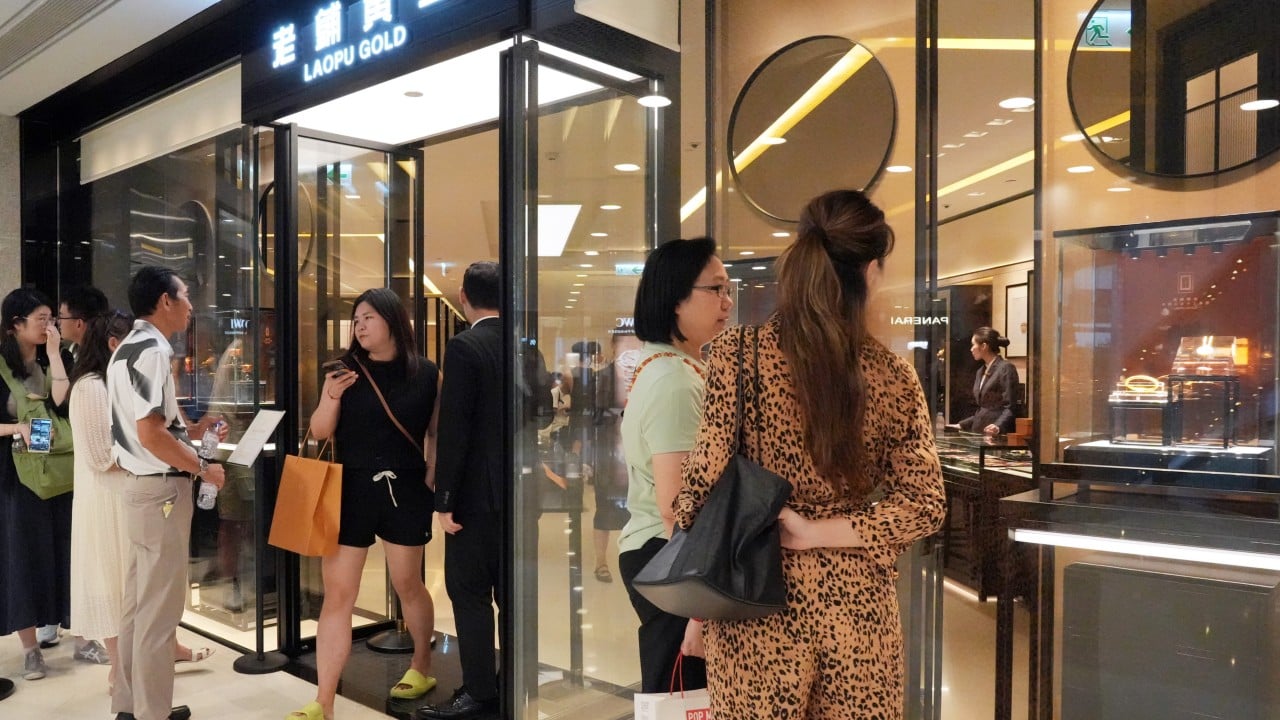
High-end retail expansion rarely happens by accident, especially in one of the world's most expensive commercial property markets. Beijing-based heritage jewelry brand Laopu Gold has made a bold play by leasing an entire mid-floor at One Exchange Square in Central. This move signals more than just a corporate relocation or an upgrade. It highlights how mainland luxury brands are aggressively cementing their physical presence in Hong Kong as a launchpad for global markets.
If you look at how traditional high-end retail behaves during economic shifts, pulling back is the standard playbook. Yet Laopu Gold is doing the exact opposite. By securing a full-floor corporate footprint right in the heart of Hong Kong's financial district, the company is betting heavily on its unique market position and the enduring appeal of handcrafted heritage gold. In other developments, take a look at: Why Trump Buying Russian Diesel is the Most Brutal Masterclass in Realpolitik You Refuse to Understand.
Inside the Central Tower Strategy
Central has always been the ultimate battleground for luxury brands. Rents are punishing, and competition for prime square footage is fierce. Grabbing an entire floor at One Exchange Square isn't just about getting extra desks for employees. It is a massive statement of intent.
When a specialized jeweler takes up an entire commercial floor in a premier skyscraper, they are signaling long-term operational commitment. Retail footprints like storefronts in IFC mall capture the immediate consumer spend, but a major corporate office lease in Central anchors the backend operations needed to drive international scaling. It tells landlords, investors, and competitors that the brand views Hong Kong as its permanent regional command center. The Wall Street Journal has provided coverage on this fascinating topic in extensive detail.
The strategy relies on a simple premise. High-net-worth buyers and international partners expect elite brands to occupy elite spaces. Being tucked away in a shared office block doesn't cut it when you are positioning yourself as a top-tier luxury player.
The Rise of Heritage Gold Demand
To understand why Laopu Gold can afford these aggressive real estate moves, you have to look at changing consumer tastes. Traditional shiny, thin gold pieces are taking a backseat to heavy, ancient-craftsmanship items that emphasize texture, culture, and substance.
Often dubbed by market watchers as the "Hermes of gold", the brand carved out a niche by blending historical Chinese artisanal techniques with modern design. Consumers aren't just paying for the weight of the metal. They are paying for intricate workmanship that mass-market competitors struggle to replicate efficiently.
This shift in consumer psychology has translated directly into explosive financial growth. Recent financial reports show stellar revenue and net income surges, giving the company the war chest required to lock down expensive prime real estate in Hong Kong without blinking.
Why Hong Kong Remains the Global Gateway
Many overseas brands treat Hong Kong as a declining retail hub, but mainland giants view it differently. Hong Kong remains the ultimate testing ground for taking a domestic Chinese concept and turning it into a global phenomenon.
International tourists, overseas investors, and wealthy diaspora consumers still frequent the city's luxury corridors. By planting a massive flag in Central, Laopu Gold ensures that global partners see them as an established international entity rather than a local mainland novelty.
The move also aligns with a broader trend of Chinese consumer brands pushing past their domestic borders. Companies like Songmont and Bosideng are proving that eastern aesthetics can capture global wallets if backed by the right presentation and location.
What This Means for Commercial Real Estate
The massive lease at One Exchange Square also throws a lifeline to Hong Kong's office leasing market, which has faced turbulence over recent years. Financial district landlords have been eager to secure creditworthy tenants capable of taking down large blocks of space.
Mainland consumer discretionary firms are filling the vacuum left by traditional multinational financial institutions that have downsized their footprints. This structural shift is reshaping the tenant mix in prime buildings across Central and Admiralty.
Commercial real estate analysts are watching closely to see if other high-performing Chinese luxury retailers follow suit. If brands keep posting strong earnings, expect more full-floor transactions in top-tier towers.
Securing a major floor in Central is a high-stakes gamble on continued luxury demand. If consumer appetite for heritage gold holds steady, the move will look like a masterclass in aggressive brand positioning. If tastes shift, that massive overhead will become an expensive lesson in overexpansion. For now, the bet is locked in, and the message to the luxury world is unmistakable.