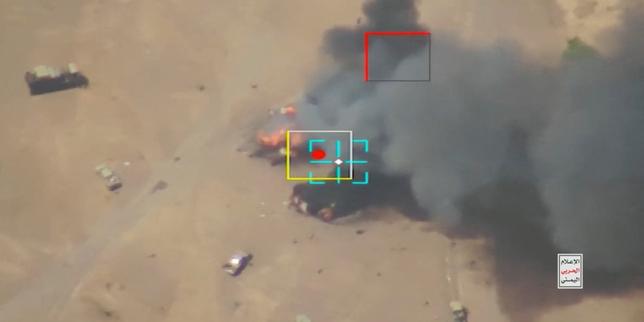
Air defense sirens wailing across Riyadh aren't just background noise; they're a stark reminder that the fragile calm in the Middle East can shatter overnight. When the Saudi-led coalition announced the successful interception of ballistic missiles and explosive drones targeting the capital, Mecca, Medina, and the economic powerhouse of the Eastern Province, it signaled a dangerous escalation. This isn't a minor border skirmish anymore. It's a calculated campaign testing the limits of regional missile shields.
If you've been following the Yemini conflict casually, you might think recent years brought lasting peace. That illusion is officially gone. Renewed military friction erupted fiercely when Houthi forces advanced toward the strategic Bab el-Mandeb Strait, a vital maritime chokepoint. In response, the Saudi military ramped up airstrikes inside Yemen. The Houthis didn't back down. Instead, they answered with long-range projectile salvos, aiming straight for Saudi infrastructure.
The Real Target Isn't Just Concrete
When missiles fly toward Riyadh's financial district or threaten energy facilities in the Eastern Province, the objective goes beyond physical destruction. It's about psychological warfare and economic disruption. H
Why the Houthi Missile Interceptions Keep Saudi Air Defense on High Alert
news
Air defense systems across the Middle East don't get much rest these days. When Saudi forces intercept incoming ballistic threats and explosive drones launched from Yemen, it's rarely a surprise to military analysts. Yet, each successful interception highlights a tense, high-stakes security puzzle that rarely makes the front pages until something slips through the net.
Let's look past the brief press releases and examine what is actually happening on the ground and in the upper atmosphere.
The Reality of Modern Air Defense
Intercepting a ballistic missile or a loitering munition isn't like shooting clay pigeons. It requires split-second radar tracking, complex interceptor geometry, and immense financial backing. Saudi Arabia relies heavily on advanced surface-to-air missile systems, including the Patriot battery network, to track and neutralize incoming vectors before they hit critical infrastructure or civilian population centers.
Each time the Saudi Ministry of Defense announces an interception over southern regions like Jizan or Asir, it points to a dual reality. First, the defense network works. Second, the threat remains persistent and technologically adaptable.
The Houthi movement in Yemen has evolved its military capabilities dramatically. Years ago, they relied on basic, unguided rockets. Today, their arsenal includes Iranian-designed cruise missiles, ballistic variants, and delta-wing drones designed to evade traditional radar sweeps by flying low and slow.
Why This Conflict Zone Refuses to Cool Down
Diplomacy has tried to secure a lasting peace in Yemen for years, but localized flare-ups and regional tensions keep the region volatile. The Houthi leadership often ties its military actions to broader geopolitical grievances, launching cross-border attacks to exert pressure during stalled negotiations or regional standoffs.
When a missile arcs toward Khamis Mushait or Abha International Airport, the objective isn't always mass casualties. Even an intercepted projectile triggers flight diversions, damages economic confidence, and forces Riyadh to spend millions on defensive ordinance. It’s an asymmetric attrition strategy.
[Incoming Projectile] -> [Radar Detection] -> [Battery Calculation] -> [Interceptor Launch] -> [Mid-Air Neutralization]
That sequence happens in seconds. Operators sitting in tactical command centers have to make life-or-death decisions without hesitation.
The Technological and Financial Burden
Let's talk numbers because nobody likes to mention the cost of modern defense. Firing a Patriot interceptor missile costs millions of dollars per shot. Meanwhile, a modified commercial drone used by insurgent groups can be built for a fraction of that price.
This financial imbalance is unsustainable over decades. That's why defense contractors and military strategists are racing to field directed-energy weapons, high-powered microwaves, and laser defense systems. Shooting down a cheap drone with a multi-million-dollar missile is a losing financial game, even if it protects lives in the immediate term.
Saudi Arabia knows this math better than most. The kingdom has spent tens of billions upgrading its military infrastructure to shield oil facilities, desalination plants, and urban centers.
What Comes Next for Regional Security
You won't find a clean, storybook ending to this security crisis anytime soon. Real stability requires a functioning, unified government in Yemen that can disarm non-state actors, which remains a distant dream. Until a comprehensive political settlement takes root in Sana'a and Riyadh, air defense sirens will remain part of the daily soundtrack in the kingdom's southern provinces.
Keep an eye on how regional intelligence sharing evolves. Intelligence cooperation between Gulf states and international partners remains the ultimate frontline defense, stopping shipments of missile components long before they ever reach a launchpad in Yemen.