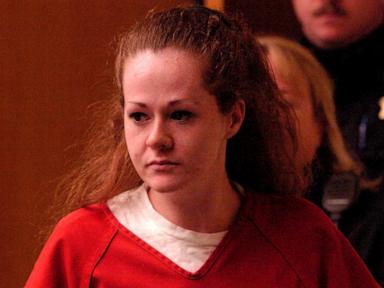
Surviving a botched execution leaves deep marks, and the ongoing legal battle surrounding Christa Pike brings rare medical and constitutional issues into the spotlight. Following a failed lethal injection attempt in Tennessee, her legal team has provided updates regarding her physical state and lingering cognitive hurdles.
Pike, who spent decades on death row after her conviction for a 1995 murder, survived a harrowing ordeal when the execution protocol failed. While her physical recovery has surprised many observers, serious questions remain about her long-term well-being and the legal fallout of the state's actions.
The Physical Recovery and Immediate Aftermath
After spending days unconscious and on a ventilator following the failed procedure, Pike eventually regained consciousness. Her lawyers noted that she has shown remarkable resilience physically, moving from intensive hospital care back to the Deborah K. Johnson Rehabilitation Center.
Initial reports from her legal representatives detailed severe physical trauma, including chemical burns and blisters on her arms where intravenous lines struggled to administer the pentobarbital. Despite those severe injuries, she regained movement, started walking with assistance, and was discharged out of the external hospital.
Lingering Cognitive Challenges
Physical survival is only part of the equation. Attorneys have emphasized that Pike faces persistent cognitive challenges stemming from the ordeal. The severe physiological stress of the failed execution, combined with massive doses of powerful sedatives, left her dealing with confusion and mental fatigue.
Medical experts and defense lawyers point out that surviving such intense systemic shock often leaves lasting neurological footprints. While she can speak and interact, the exact extent of her cognitive recovery remains unclear, adding another layer of complexity to an already unprecedented legal case.
The Ongoing Legal and Ethical Battles
The situation has triggered intense friction between Pike's defense team and state officials. Her lawyers argue that subjecting her to another execution attempt would be cruel and unusual punishment given the torture of the first botched procedure. They have pushed for clemency, asking the governor to commute her sentence to life in prison.
At the same time, a battle over transparency is playing out in court. Judges ordered the state to preserve evidence from the execution chamber, including syringes and leftover drugs, but state attorneys have fought to block independent defense testing out of fear that suppliers could be exposed. Additional legal motions contest her placement in isolation within the prison infirmary, keeping the spotlight fixed on her daily treatment and rights.
The focus now centers on how the courts will weigh a botched execution against the state's ongoing desire to carry out the sentence, leaving a deeply controversial case far from resolved.