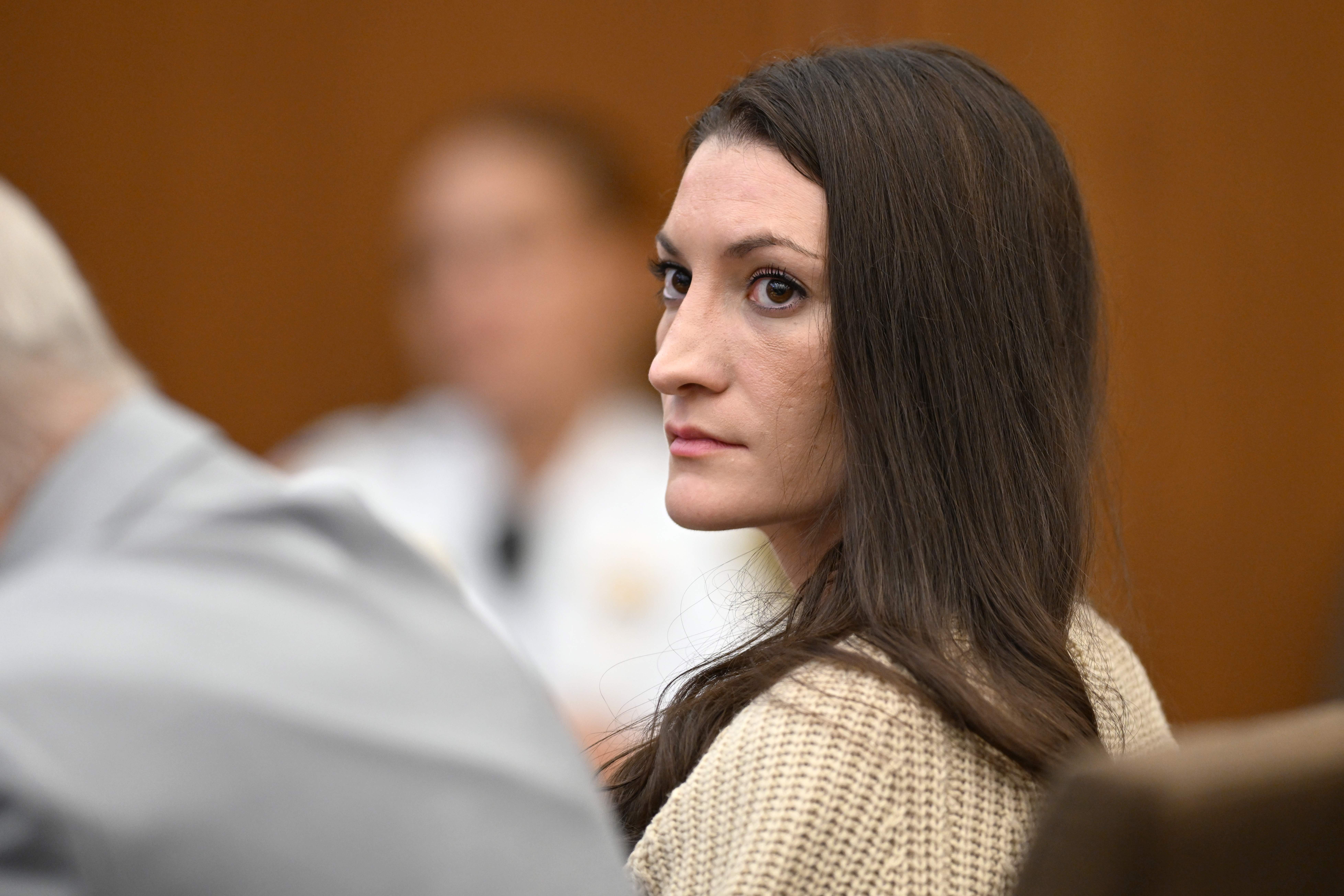
The courtroom in Plymouth, Massachusetts, has become a mirror for a broken system. On August 21, 2026, the defense officially rested its case in the murder trial of Lindsay Clancy. After nearly a month of gut-wrenching testimony, the focus now shifts to rebuttals and the final weigh-in by a jury tasked with deciding the fate of a woman who killed her three children.
Clancy doesn't deny the act. She acknowledges she strangled Callan, Dawson, and Cora in January 2023 before attempting to take her own life, an act that left her paralyzed. The battle here isn't about who did it. It’s about what happened to her mind. Was it a calculated murder, or was she a victim of severe postpartum psychosis that effectively erased her ability to understand the world?
The Defense Case for Postpartum Psychosis
The defense’s strategy has centered on the argument that Clancy, a former labor and delivery nurse, was experiencing a profound mental health crisis that had been repeatedly missed or mismanaged. Her lawyer, Kevin Reddington, has painted a picture of a mother desperate for help. He argues she was suffering from postpartum psychosis, bipolar disorder, and the effects of a "cocktail" of over-prescribed psychiatric medications.
To humanize this, the defense brought in testimony that hit hard. Her mother, Paula Musgrove, recounted a terrifying moment in December 2022 when Clancy admitted to her and her husband, Patrick, that she was having thoughts of harming her children. That detail alone changes the narrative from a sudden, unprovoked act to a long, slow decline that people witnessed but couldn't fix.
Dr. Phillip Resnick, a forensic psychiatrist who also testified in the Andrea Yates case, offered perhaps the most chilling perspective. He described Clancy as being like a "puppet" whose strings were being pulled by a psychotic delusion. He argued that she genuinely believed she was saving her children from a world of suffering. It’s an "altruistic" filicide theory—the idea that she killed them because she thought it was the only way to protect them.
The Prosecution View
Prosecutors aren't buying the insanity defense. They have maintained a consistent, aggressive stance: this was premeditated. They point to the day of the killings as evidence of a plan. They argue that Clancy intentionally sent her husband, Patrick, on errands to get him out of the house.
The prosecution’s rebuttal witnesses, including forensic psychiatrist Dr. Avram Mack, have worked to dismantle the psychosis narrative. Mack testified that while Clancy was undoubtedly suffering from a major depressive episode, he found no evidence of the mania or psychosis required to meet the legal standard for a "lack of criminal responsibility." He suggested that, even in her state, she retained the ability to distinguish right from wrong and control her impulses.
The Public Outcry and the Danger of Online Sleuths
Outside the courthouse, the scene is just as intense. Hundreds of supporters, many wearing pink, have rallied to support Clancy, citing a desperate need for a better mental health system for mothers. Their message is simple: she was crying out for help, and the medical system failed her.
But there's a darker side to the public attention. The "forensic fandom" that has emerged on platforms like TikTok and social media is a dangerous development. People are pushing wild conspiracy theories—some even claiming her ex-husband, Patrick, was the one who did it.
These theories don't just ignore the evidence; they are harmful. When you treat a tragedy like a true-crime puzzle, you ignore the reality of postpartum illness. You turn a mother’s suffering into "content." Experts warn that this kind of narrative actually makes it harder for other women to come forward. If you fear you’ll be labeled a monster or have your suffering turned into a conspiracy theory, you stay silent. That silence is the real killer.
Understanding the Stakes
If the jury finds Clancy not guilty by reason of insanity, she will be committed to a state psychiatric hospital. If they convict her of first-degree murder, she faces life in prison without parole.
This trial has forced a conversation that most people would rather avoid. We like to think that mothers are inherently wired for care, and that maternal violence is a moral failing rather than a medical emergency. When a mother kills her children, our immediate instinct is to look for the "evil" in her. It’s much harder to accept that a person could be so profoundly sick that their own brain—the very thing meant to protect their offspring—turned into a weapon.
Where We Go From Here
If you’re watching this trial, don't get caught up in the celebrity-style fascination. Look at the systemic failures being documented. Look at the way medications were managed, the way psychiatric symptoms were dismissed, and the way a mother’s admission of "I'm not okay" was treated.
The next time someone in your life expresses feeling "numb" or "terrified" of their own thoughts, don't just suggest a nap. Push for a serious medical evaluation. Demand that their providers listen to the full scope of their symptoms, including thoughts of harm. We need to normalize the reality that maternal mental health is a legitimate health emergency, not just a phase or a "bad mood."
The verdict will eventually be read. It will provide a legal conclusion to a horrific tragedy. But the questions raised by the Lindsay Clancy case—about our responsibility to the mentally ill and our dismissive attitude toward postpartum health—will remain long after the courtroom doors close. Watch the process, but keep your eyes on the human failure behind the headlines.