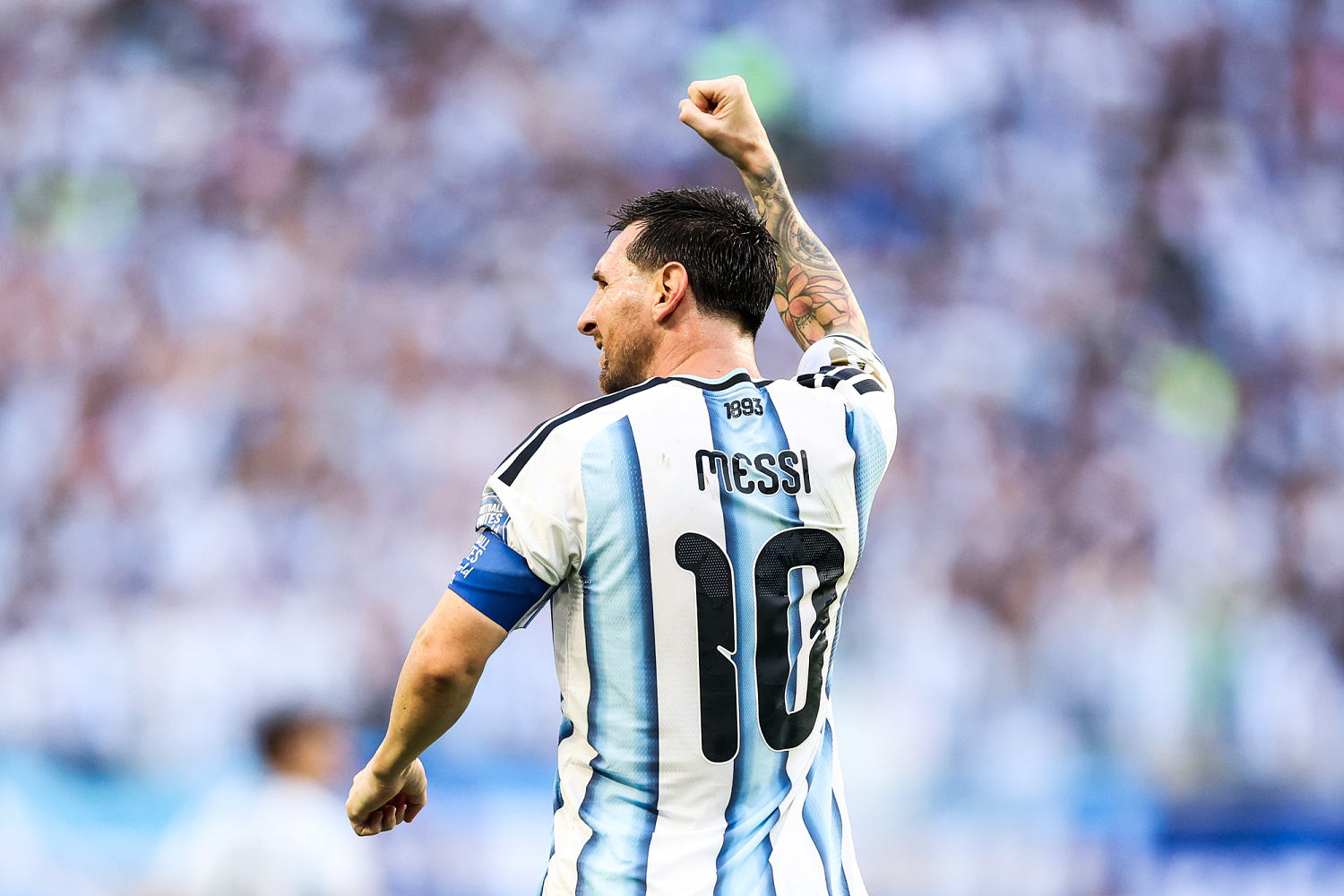
The era of Lionel Messi wearing the light blue and white stripes of Argentina has officially drawn to a close. For nearly two decades, the football world held its breath every time he pulled on that jersey, waiting to see if the greatest player to ever grace a pitch could finally conquer the international demons that haunted him.
When Messi dropped his retirement announcement, it felt like an emotional gut-punch, even if everyone knew deep down that the final whistle was coming. Coming just weeks after Argentina's fierce run to the 2026 World Cup final and the painful passing of his father Jorge, the timing feels heavy with finality. Let's break down why this decision matters, what it means for the squad moving forward, and how a career defined by resilience ultimately reshaped modern football. Don't forget to check out our recent post on this related article.
The Weight of the Blue and White Shirt
For years, critics loved to claim that Messi only cared about club glory. They pointed to his endless collection of trophies with Barcelona and later Inter Miami while ignoring the invisible anchor he carried every single time he played for his home country. You could see the anguish etched across his face during the long years of final losses and media pressure.
That narrative shattered completely in Qatar. When Messi hoisted the 2022 FIFA World Cup trophy, he didn't just end a decades-long drought for Argentina; he lifted an entire nation's psychological weight off his shoulders. He followed it up with consecutive Copa America titles and another grueling, brilliant run to the 2026 World Cup final against Spain. To read more about the context here, The Athletic offers an in-depth breakdown.
By the time he wrote his goodbye letter—initially drafted in July and solidified after personal family loss—he had nothing left to prove. As he put it himself, he simply has nothing more to give. When an athlete who gave everything admits his tank is empty, you don't ask for more. You just say thank you.
What Changes for Argentina Now
Transitions are messy, especially when you are replacing a demigod. Argentina now faces the daunting reality of playing without their emotional compass and creative engine.
Yet, the foundations are solid. Messi himself pointed out that a wave of brilliant young players is stepping up. The culture that Lionel Scaloni built over the last several years isn't going to vanish overnight. It has been hardened by the exact kind of grit and determination that Messi embodied.
- The team no longer has a guaranteed outlet for individual magic in the 90th minute.
- Younger tactical leaders must take over the locker room atmosphere.
- The pressure on upcoming attacking prospects will skyrocket immediately.
The Real Legacy Beyond the Trophies
Statistically, the numbers speak for themselves. With 203 appearances and 124 goals, Messi leaves as Argentina's most-capped player and all-time leading scorer. But numbers miss the human element of his international journey.
Remember when he actually retired back in 2016 after losing the Copa America final? Back then, it felt like a tragic collapse. Looking back, it was just a messy chapter in a much longer, cinematic redemption arc. That temporary walkout taught fans a valuable lesson about persistence. He came back, absorbed the pressure, and turned heartbreak into a dynasty.
Now, he transitions into a role every fan understands: sitting in the stands, cheering for the badge, and watching from the outside.
The pitch will feel a bit emptier without him orchestrating the attack. But his chapter with Argentina ended exactly how it needed to—not in total despair, but wrapped in pride, peace, and eternal glory.