Desperation makes people do wild things. When you're completely broke, facing eviction, or drowning in debt, your brain stops filtering risks properly. You just need cash. Immediately.
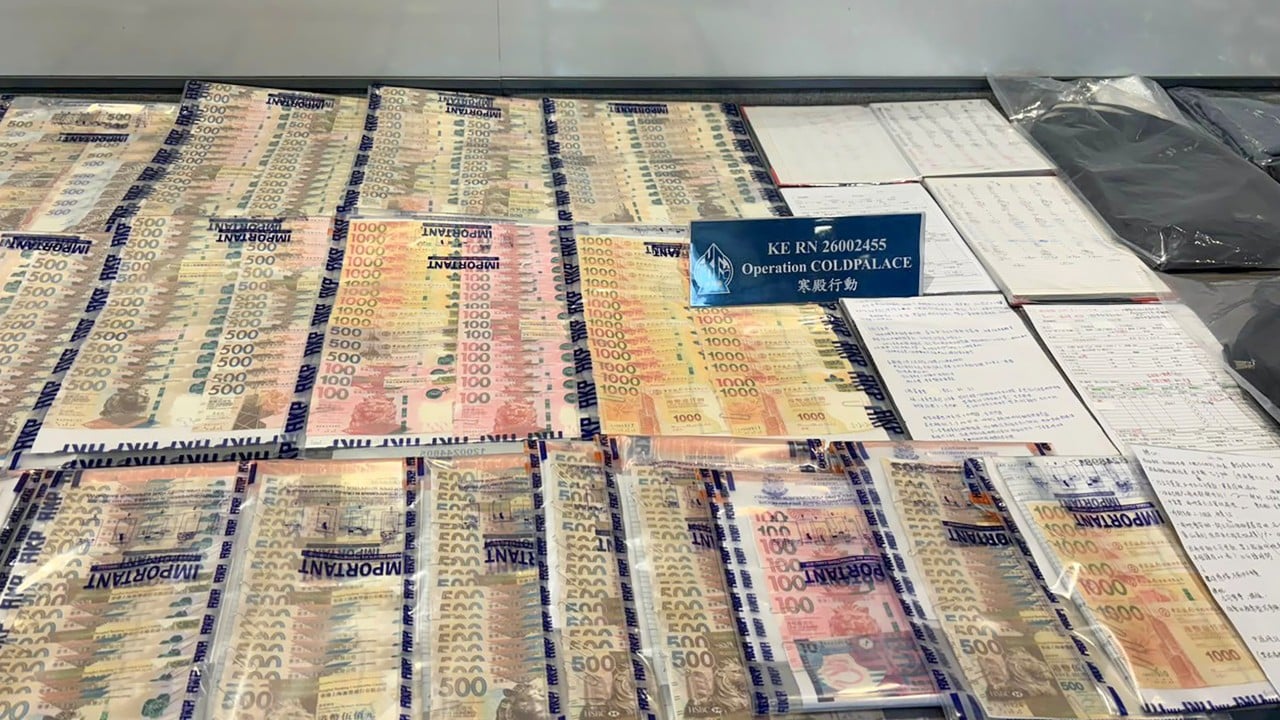
That's exactly what a massive criminal syndicate counted on before Hong Kong police crashed their party. Law enforcement recently arrested 29 people tied to a sophisticated loan shark ring that didn't just bend the rules—they obliterated them. They trapped desperate borrowers with interest rates hitting an astronomical 3,000 percent.
Think about that math for a second. If you borrow just $1,000, a 3,000 percent annual rate means you owe $30,000 in interest alone over a year. It's financial execution. You don't pay it back; you just become a permanent piggy bank for criminals.
Understanding how these networks operate is crucial because they don't look like the old-school movie thugs hanging out on street corners anymore. They look like legitimate businesses.
The Mirage of the Corporate Call Center
The biggest mistake people make is assuming illegal lenders always look shady from the start. This specific syndicate ran a highly organized operation. They didn't operate out of dark alleys; they built a fully functioning call center.
The ring members posed as representatives from licensed, legitimate finance companies. Cold calling thousands of individuals, they targeted people who already had terrible credit scores or existing debts. By using slick scripts and professional phone manners, they convinced stressed individuals that they were finally getting a lifeline.
Instead, victims signed up for a trap. Once a borrower showed interest, the syndicate tacked on massive administrative fees, deducted upfront costs from the principal loan, and manipulated the repayment terms. The actual cash hitting the victim's bank account was a fraction of the agreed amount, while the interest rate ballooned into thousands of percent.
The Anatomy of an Illegal Debt Trap
Illegal lenders use specific psychological tactics to keep you under their thumb. Knowing these red flags can save you from financial ruin.
- Upfront Deductions: If you borrow $5,000 but they only hand you $3,500 because of "processing fees," you're dealing with a predatory lender.
- Vague Documentation: Legitimate lenders give you exact percentages, fixed payment schedules, and clear terms. Sharks keep things verbal or send messy, confusing digital contracts.
- Guaranteed Approval with No Checks: Real finance companies look at your income or credit history. When someone promises cash regardless of your financial disaster, the risk isn't missing; it's factored into a brutal interest rate.
When the payments inevitably fall behind, the professional corporate facade disappears instantly. The syndicate shifts from polite call center workers to aggressive harassers, using intimidation, relentless phone spam, and threats against family members to force compliance.
Spotting Legitimate Help When You're Trapped
Honestly, the hardest part of escaping a debt spiral is knowing where to turn without getting burned again. If you or someone you know needs fast capital, you have to bypass random cold calls entirely.
First, verify the registration. Every region has an official registry of licensed money lenders. If a company calls you out of the blue, demand their license number and look it up on a government database before giving away a single piece of personal data.
Second, consider non-profit debt counseling. Organizations worldwide offer free, confidential restructuring advice. They can negotiate directly with real banks to freeze interest or lower payments, giving you breathing room without resorting to predatory lenders.
The 29 arrests in Hong Kong prove that authorities are cracking down on these modern call-center syndicates, but new ones pop up daily. Staying safe means realizing that if a loan offer feels incredibly easy during a tough time, it's probably going to cost you everything later. Don't take the bait on cold calls, check every license, and protect your data.