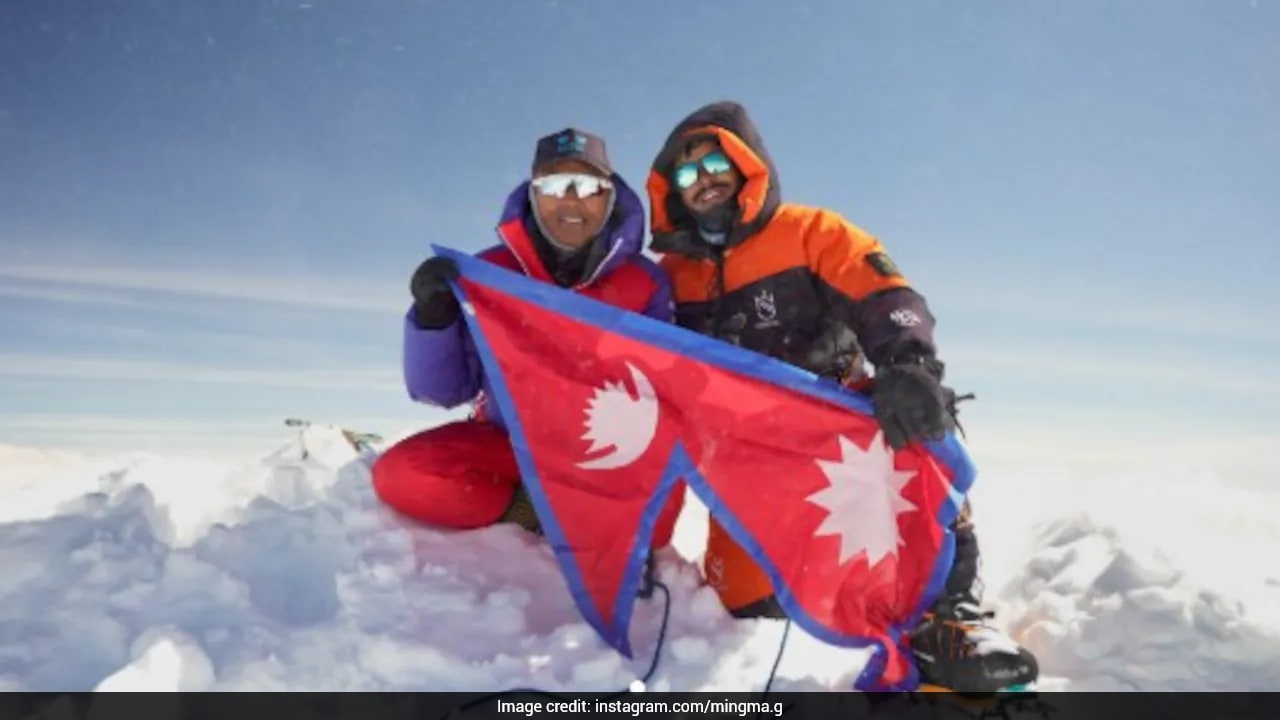
High-altitude mountaineering operations operate under strict physical constraints where risk equations change exponentially above 5,000 meters. When an avalanche struck Broad Peak in the Karakoram range, sweeping away an international expedition including renowned mountaineer Nirmal Purja, the incident triggered an extraordinarily complex recovery framework. Analyzing the subsequent mission led by mountaineer Mingma G and local ground teams reveals the hard variables that dictate whether bodies can be successfully repatriated from the death zone.
The Physics of High-Altitude Extraction
Recovering human remains from extreme elevations involves navigating three primary physical bottlenecks: atmospheric density, terrain angle, and secondary hazard probability.
Atmospheric pressure at 5,000 to 5,700 meters reduces human aerobic capacity to roughly half of sea-level efficiency. Mechanized extraction via helicopter faces absolute performance limits. Rotary-wing aircraft lose lift capacity as air density drops, making direct high-altitude hoists hazardous or impossible when wind shear and localized updrafts destabilize the airframe. Consequently, recovery protocols must rely on human-powered ground transport for the initial phases of the descent.
The terrain profile on Broad Peak compounds these mechanical limits. Steep, glaciated slopes and loose moraine create constant risks of secondary avalanches and rockfall. Rescuers cannot simply haul weight downward; every meter requires anchors, fixed ropes, and step-by-step physical lowering through technical terrain to reach safer staging areas like Camp 1 or the lower Concordia basin.
The Multi-Phase Operational Architecture
To manage these extreme risks, elite coordination teams deploy a structured, sequential operational model rather than ad-hoc rescue attempts.
Phase one prioritizes hazard mapping and asset positioning. Drone reconnaissance and tracking telemetry locate targets beneath snowpacks or along slide paths. In the Broad Peak operation, teams utilized aerial tech to identify positions near Camp 1 before committing personnel to the zone.
Phase two centers on ground team deployment. Experienced climbers and high-altitude workers navigate the technical zones to physically unearth and secure the remains. In this operation, local and international specialists—including teams coordinated through the Alpine Club of Pakistan and civilian expedition leaders—moved bodies from higher exposure points down to flatter, accessible intermediate altitudes.
Phase three involves final evacuation. Once remains are manually transported below the high-risk technical zones to designated staging points, military or specialized transport assets execute the final airlift to regional medical facilities in Skardu.
Risk Mitigation and Resource Constraints
High-altitude body recovery is fundamentally constrained by time windows and weather volatility. Meteorological conditions in the Karakoram can deteriorate within minutes, grounding support aircraft and trapping ground crews in sub-zero environments. The decision by expedition leaders to pause or defer ground operations during fresh snowfall or active avalanche warnings reflects a calculated risk-reward balance designed to prevent secondary casualties among the rescue personnel.
Repatriation efforts depend heavily on voluntary resource reallocation. When disasters of this magnitude occur, neighboring expeditions frequently abandon commercial summit bids to redirect manpower, oxygen supplies, and fixing gear toward the recovery effort. This mobilization highlights the informal mutual aid networks that substitute for institutional infrastructure in high-mountain regions.
Execute standard multi-agency coordination protocols by aligning diplomatic channels between the affected nations, military aviation commands, and local alpine clubs to streamline clearance paperwork, minimize transit delays for repatriated remains, and establish standardized safety baselines for future high-altitude recovery operations.