The cabin air always smells the same at the end of a nightmare. It is a stale mixture of recycled oxygen, residual panic sweat, and the faint, metallic tang of fear lingering on the upholstery. When the door finally opens, the rush of outside air feels almost violent against skin that has spent hours trapped in a pressurized cylinder of uncertainty.
For the passengers stepping down the mobile staircase onto the tarmac, the ground beneath their shoes is the first tangible proof that time has resumed. Up until that moment, time had fractured. It had frozen at the moment of the initial command, stretched thin during the endless hours of waiting in the dimmest hours of the night, and then snapped back into a dizzying rush of flashing lights and shouts. Meanwhile, you can read other stories here: The Badge and the Shadow How Bolivia Just Shattered Its Own Silence.
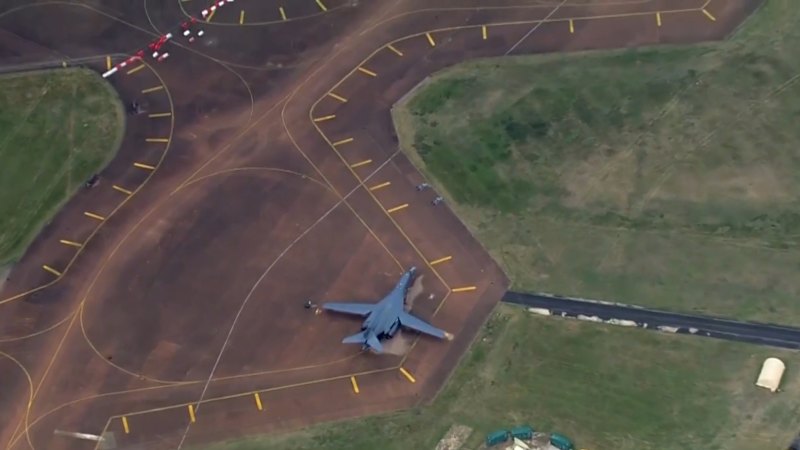
This is the geometry of survival. It is not cinematic. There is no swelling orchestral score, no slow-motion stride across the runway. There is only the awkward shuffle of stiff legs, the white-knuckled grip on a carry-on strap, and the sudden, blinding flash of a dozen press cameras waiting at the perimeter.
When a nation's leader steps forward to meet those passengers, the event is often cataloged by history as a political photo-op. The handshakes are broadcast. The statements are drafted for the evening news. But standing there at the foot of the stairs, the choreography of power collides with the raw vulnerability of human shock. To understand the bigger picture, we recommend the recent article by TIME.
Consider what happens inside the human mind when a routine flight dissolves into a hostage situation. The brain shifts gears with terrifying speed. The mundane task of reading a magazine or dozing off with a neck pillow is instantly obliterated by the primal realization that your life is no longer in your own hands. You become a bargaining chip. You become a silhouette behind a closed window. You become a headline waiting to be written.
Hours tick away in whispers. Every shift in engine noise, every muffled exchange through a reinforced cockpit door, becomes an eternity. In those moments, external geography ceases to matter. The entire world shrinks to the width of an aisle and the depth of your next breath.
When the ordeal finally breaks—whether through negotiation, tactical resolution, or sudden surrender—the transition back to safety is jarring. You are expected to transform instantly from a survivor into a witness, and then almost immediately into a statistic.
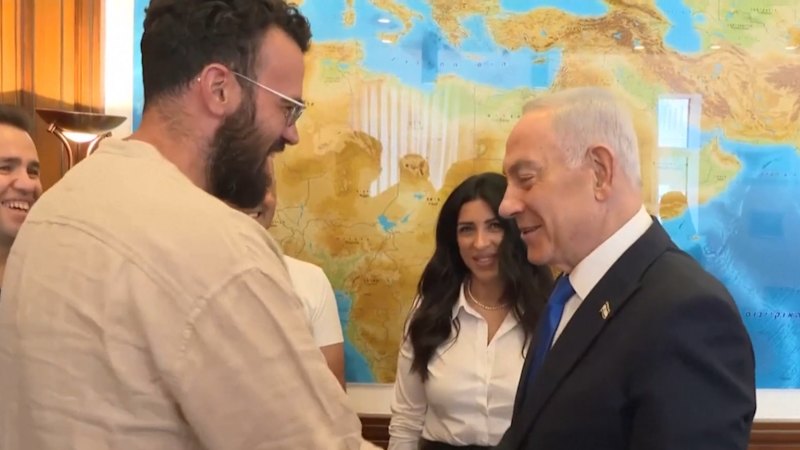
The Prime Minister’s arrival at the tarmac is meant to signal that the state has wrapped its arms around its own. To the cameras, it is a display of resolve. To the weary travelers stepping off the plane, it is often a surreal encounter. They are blinking against the glare, clutching passports that suddenly feel heavier than before, grappling with the strange realization that the world they left behind hours ago kept spinning without them.
There are no words that adequately bridge that gap. A leader can offer a handshake, an embrace, a muttered phrase of gratitude for endurance. But the true weight of the moment rests in the silence between the spoken pleasantries. It is the heavy, resonant silence of people who stared across an abyss and somehow found their way back to solid ground.
Long after the cameras are packed away and the motorcades dissolve into the city traffic, the physical journey ends, but the internal journey continues. The suitcase is unpacked. The clothes are washed. Yet the memory of that cabin door opening to a wall of bright light remains—a permanent dividing line between the life that was planned for that day, and the life that was miraculously restored.