Altitude plays tricks on time. At thirty-eight thousand feet, hours stretch like thin taffy, measured only by the hum of the Pratt and Whitney engines and the low, collective drone of three hundred strangers sharing a pressurized tube of recycled air. You forget, up there, that you are suspended over an indifferent void. You drink your lukewarm tomato juice. You watch a movie with one headphone pressed against your ear. You trust.
Then the air changes.
It is never a movie explosion. Real terror in the sky rarely arrives with cinematic fanfare. Instead, it is a subtle tilt of the wing that feels too sharp, a sudden hushed conference between two pilots in the cockpit, or the abrupt illumination of the cabin signs telling you to return to your seat long before descent should have begun.
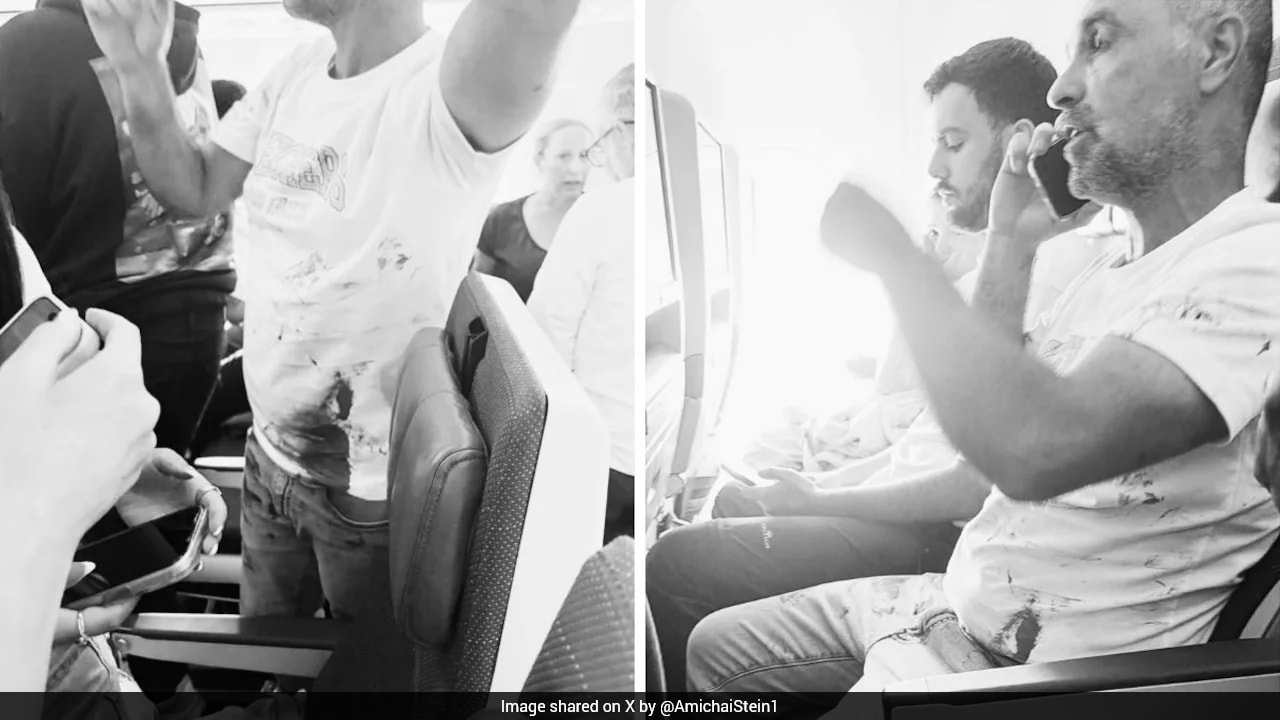
Consider a routine flight on a carrier like flydubai, slicing through the midnight skies over the Middle East. The cabin is dim. Sleep is settling over the rows. People are dreaming of family reunions, business deals closing in the morning, or just the sweet relief of a hotel pillow.
And then, the whisper begins.
It starts in row thirty-two. A passenger leaning over a tray table, catching a fragment of a phrase from a flight attendant's strained voice. Hijack scare. Two words that carry the weight of a lead anchor.
Panic does not erupt like a volcano. It creeps. It is the sudden, collective intake of breath across a hundred rows. It is the white-knuckle grip on a plastic armrest. It is the frantic calculation running through every parent's mind: Did I text them goodbye?
When a threat materializes six miles above the earth, your relationship with the world below changes instantly. The cities sprawling beneath you—lit up like strings of cheap costume jewelry—suddenly look impossibly distant, unreachable, and fragile. You realize with terrifying clarity that no one is coming to save you in the next five minutes. You are entirely alone with the machine, the crew, and the unknown.
In those moments, the human mind splits into two distinct channels. Part of you is hyper-rational, analyzing the pitch of the engines, listening for any stutter in the turbine. Another part is catastrophizing, writing the eulogy, wondering if the descent angle feels too steep, or if the runway lights rushing up through the cloud cover are the last things you will ever see.
Flight crews are trained for this invisible war. Behind the reinforced cockpit door, pilots are wrestling with a storm of protocol, air traffic control directives, security protocols on the ground, and the raw mechanics of flying a heavy aircraft with compromised safety margins. They do not have the luxury of panic. Their hands move across switches with cold, practiced precision. Every alarm is silenced not by magic, but by muscle memory forged in simulators where every nightmare scenario has already been played out a thousand times.
Imagine the cabin crew walking the aisles. Their faces are masks of professional calm, but their eyes give them away. They move with quiet urgency, ensuring trays are stowed, belts are pulled bone-tight, and heads are braced. They are the shock absorbers for human terror. They smile when they want to scream. They breathe steady so others can borrow their oxygen.
Then comes the moment of truth.
The wheels leave the stratosphere behind and slam into the tarmac with a violent, screeching jolt of friction and rubber.
For a fraction of a second, there is absolute, deafening silence. The engines roar in reverse thrust, the spoilers flip up on the wings to kill the lift, and the aircraft decelerates with bone-jarring force. The nose dips.
We are on the ground.
And then, something extraordinary happens. It is not polite applause. It is an eruption.
Passengers—minutes ago frozen in the rigor mortis of mortal dread—begin to clap. Someone hoots. A ragged cheer ripples through the cabin, swelling into a chaotic chorus of laughter, weeping, and high-fives across the aisles. Total strangers grab each other by the shoulders. Phones come out, not to record, but to frantically dial loved ones with hands that won't stop shaking.
That applause is not just for the pilots who touched the metal safely to the earth. It is an exorcism. It is the sound of three hundred human beings exhaling all at once after holding their breath for eternity.
The doors slide open. The heavy, warm scent of airport jet fuel pours into the cabin, smelling sweeter than any perfume on earth. As you file out into the terminal, dragging your carry-on, the fluorescent lights of the arrival hall seem ridiculously bright, almost offensive in their ordinary banqueting of life.
Outside, the world goes on. Cars honk. Taxis idle at the curb. People sip bad coffee from cardboard cups. They have no idea what you just survived up there in the dark.
You walk through the sliding glass doors into the night air, feeling the solid, unyielding pavement beneath your shoes, forever changed by the simple, miraculous weight of gravity.