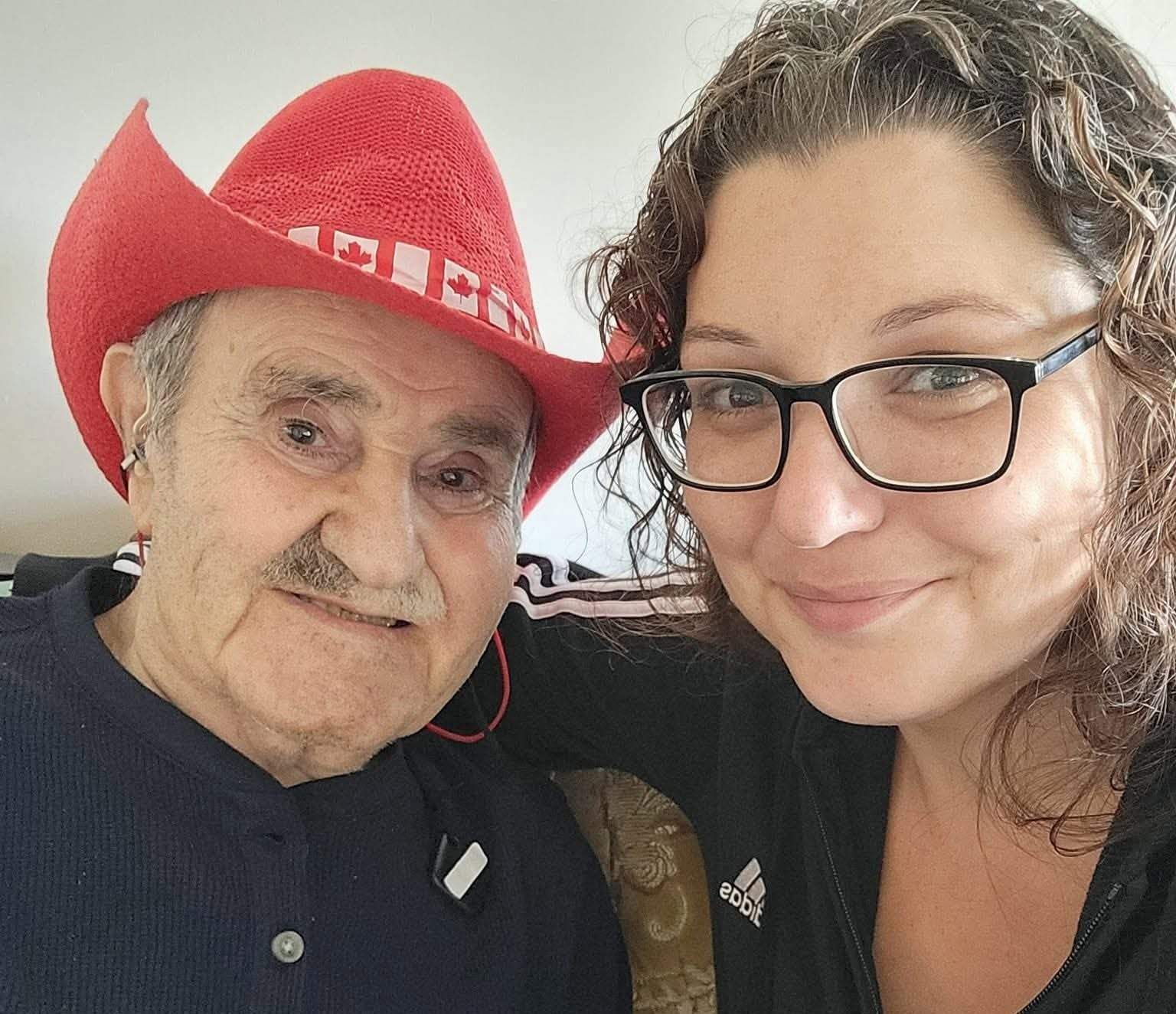
Local news obituaries usually blur together after a while. Someone lived a long life, worked a steady job, loved their family, and passed away peacefully. Then you see a headline like "One of Okanagan’s most colourful characters dies at 96," and suddenly everyone in the valley stops scrolling.
Why does that specific phrasing grab people by the collar? Because the Okanagan Valley in British Columbia wasn't built by corporate committees or standardized suburban planners. It was shaped by stubborn eccentrics, orchardists who refused to quit after killing frosts, bootleggers, amateur historians, and loud-mouthed community fixtures who didn't care what anyone thought of them. When one of those original figures dies in their late nineties, we aren't just mourning a person. We're watching the final living link to a much weirder, grittier British Columbia snap in half.
Here is the honest truth about regional history that most modern coverage completely misses. You can't preserve the soul of a place inside a heritage museum display case.
The Vanishing Breed of Okanagan Originals
Think about what the Okanagan looked like 70 or 80 years ago. Before the massive lakeside wineries, the luxury condo towers in Kelowna, and the summer traffic jams on Highway 97, this valley was an isolated agricultural corridor. Getting from Vernon to Penticton meant navigating winding, unforgiving roads along Okanagan Lake. People had to rely on their neighbors, and they had to entertain themselves.
That isolation bred fierce individuality. In small communities across the interior—from Osoyoos up through Summerland, Peachland, and Armstrong—being a "colourful character" wasn't a marketing gimmick. It was simply how you survived monotony and hardship.
I've spent years reading through small-town archives and listening to longtime residents talk about the valley's golden era. The people who get remembered decades later are rarely the wealthiest landowners or the quietest taxpayers. They're the ones who showed up to town council meetings with strong opinions, ran quirky roadside stands, rescued stray animals, told tall tales at the local diner, or kept meticulous scrapbooks of local lore when nobody else cared.
When someone reaches 96 in the Okanagan, their memory spans almost an entire century of radical transformation. They remember when horses still pulled orchard sprayers. They remember the opening of the floating bridge in 1958, which changed Kelowna forever. They watched quiet fruit-packing towns turn into booming retirement and tourism hubs.
What Makes Someone a True Community Fixture
People toss around the phrase "colourful character" pretty loosely today. Usually, it just means someone wears bright hats or tells decent jokes at the coffee shop. Real local legends operate on an entirely different level.
Based on how communities across the BC Interior actually remember their most beloved elders, three traits consistently separate genuine originals from ordinary retirees.
- Unfiltered honesty in public spaces. They didn't speak in corporate PR language. If a local policy was foolish, they said so loudly at the legion hall or in a letter to the editor of the local paper.
- Deep roots paired with total curiosity. Even after living in the same valley for eight or nine decades, they still paid attention to newcomers, local sports, changing weather patterns, and neighborhood gossip.
- Stubborn self-reliance. People born in the late 1920s or early 1930s grew up during the Great Depression and came of age during World War II. They fixed their own equipment, grew their own food, and didn't expect anyone to hand them an easy ride.
It's a sharp contrast to modern neighborhood culture. Today, plenty of folks live on a cul-de-sac for ten years without learning the names of the people next door. A true community character made it impossible for you to stay a stranger. They cornered you at the hardware store, asked who your parents were, and told you three stories before you could reach your truck.
Why Modern Local Journalism Struggles With Legacy Stories
If you look closely at how regional outlets report on the passing of a 96-year-old local icon, a pattern jumps out right away. The headlines promise color and personality, yet the articles often feel rushed. Because newsrooms across Canada have shrunk dramatically over the past decade, reporters rarely have three days to sit at a kitchen table sorting through shoeboxes of faded Polaroids and newspaper clippings.
That creates a massive blind spot. Without a specific name or verified archival record in front of you—and we should never guess or invent biographical details when a source reference leaves them blank—the broader cultural story gets flattened into generic praise.
Readers want specifics. They want to know which café that person sat in every morning at 7 a.m. They want to know what bizarre hobby filled their garage, or which local festival they helped launch in 1964. When those granular details aren't captured while the person is still alive, they vanish the moment the funeral service ends.
The Danger of Waiting Until the Obituary
Most families make the exact same mistake with their oldest relatives. They assume there will always be another Sunday dinner, another holiday visit, or another quiet afternoon to ask about the old days.
Then a sudden illness hits, or a fall happens at 95 or 96, and the window slams shut. You end up trying to piece together nine decades of a wild, unconventional life from three blurry photos and a handful of secondhand anecdotes from cousins who only heard half the story.
How the Okanagan Changed Around Its Oldest Residents
To really appreciate what a 96-year-old Okanagan resident witnessed, look at the sheer scale of demographic shift in the region. According to historical census data from Statistics Canada, Kelowna's population sat well under 10,000 people in the early 1950s. Today, the central Okanagan metropolitan area is well past 220,000 residents.
Imagine standing in the middle of that change for nearly a century.
- The Orchard Economy Shift. In the mid-twentieth century, apples, peaches, and cherries defined the valley's rhythm. Packing houses were the heartbeat of every town. Over the last forty years, thousands of acres of traditional orchards were pulled out to make room for vineyards and residential subdivisions.
- The Infrastructure Boom. Before the William R. Bennett Bridge and its floating predecessor, crossing Okanagan Lake meant waiting on ferries. Longtime locals remember when driving to Vancouver via the Hope-Princeton Highway felt like a major expedition rather than a routine weekend trip.
- The Cultural Identity Shift. The Okanagan went from a working-class agricultural valley to one of Canada's premier lifestyle destinations.
Surviving all of that while keeping your original eccentricities intact takes serious grit. Many longtime residents felt priced out or culturally displaced as the valley grew wealthier and more polished. The ones who stayed put—and kept acting exactly like themselves regardless of how fancy the neighborhood became—earned a special kind of respect. They were living proof that the valley had a gritty, working-class soul long before wine tours became a status symbol.
What You Can Do Right Now to Save Local Stories
Reading about the death of a 96-year-old community legend shouldn't just make you feel nostalgic for five minutes before you move on to the next headline. It should push you to capture the stories sitting right in front of you today.
If you have a grandparent, an elderly neighbor, or a longtime regular at your local coffee shop who has lived in your town for decades, stop putting off the conversation. You don't need professional podcast gear or a journalism degree to preserve their voice.
Pull out your phone, open the voice memo app, and place it on the table between you. Ask direct, concrete questions instead of broad ones. Don't ask, "What was life like back then?" Ask, "What did Main Street look like when you were twenty?" or "Who was the wildest person you ever worked with?" or "What is the biggest mistake this town ever made?"
Write down the names of the places, businesses, and neighbors they mention while they are sitting right there to spell them for you. Donate copies of old local photos to your regional museum or municipal archives—places like the Kelowna Museums Society or local historical societies across BC actively rely on community submissions to keep regional history accurate.
Record the stories while the people who lived them can still laugh at the punchlines.