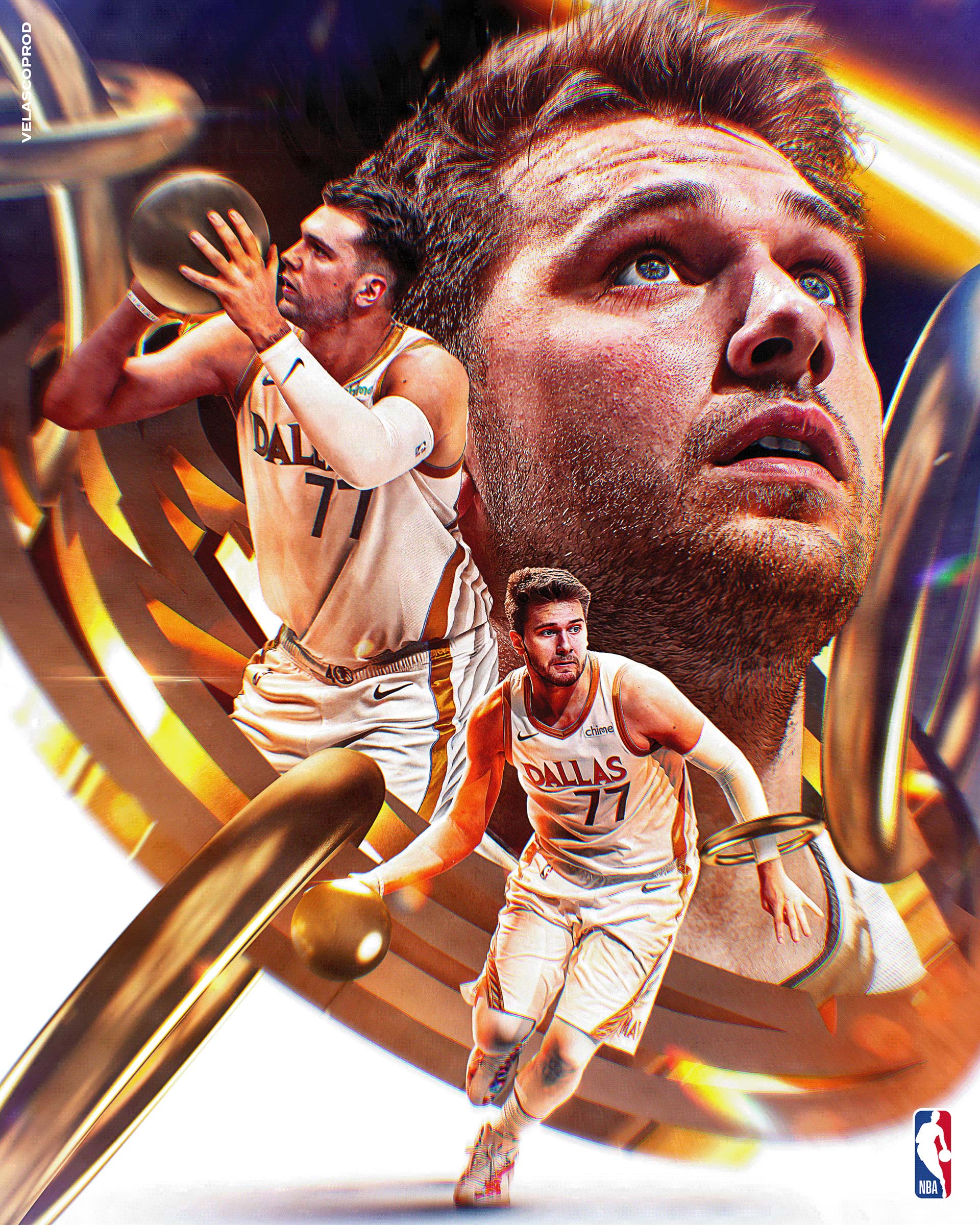
Luka Doncic is currently pacing toward a mandatory one-game suspension that could derail the Dallas Mavericks' postseason positioning. With 15 technical fouls already on his ledger, the Slovenian superstar is a single whistle away from the league-mandated threshold of 16. This isn't just a player losing his cool in the heat of a playoff race; it is a systemic collision between the NBA’s officiating standards and the emotional architecture of its most ball-dominant stars. When Doncic crosses that line, the Mavericks lose their engine, and the league loses its product.
The math is unforgiving. Under NBA operations rules, once a player hits 16 technical fouls in a single season, they receive an automatic one-game ban without pay. Following that, every two additional technicals trigger another one-game suspension. For a team like Dallas, fighting for every inch of seeding in a congested Western Conference, losing Doncic for even 48 minutes is a self-inflicted wound that the front office cannot heal with trades or tactical shifts.
The Mechanics of the Technical Foul Trap
The technical foul used to be a tool for maintaining basic order. Today, it has morphed into a subjective weapon used to police "tone" and "posture." For Doncic, the issue isn't physical violence or flagrant contact. It is the persistent, unrelenting dialogue with the officiating crew.
Doncic leads the league in "touches per game," which also means he leads the league in opportunities for perceived missed calls. Every drive to the rim that doesn't result in a whistle becomes a point of contention. The NBA’s "Respect for the Game" rules, tightened over the last decade, specifically target the exact behaviors Doncic displays: waving arms in dismissal, prolonged eye contact with refs, and the "theatrical" reaction to non-calls.
What the box score doesn't show is the cumulative fatigue of these interactions. Referees are human. When a player chirps for 40 minutes, the threshold for that 16th technical drops significantly. We are seeing a breakdown in the working relationship between the league’s elite talent and the people paid to monitor them.
Why the Mavericks Cannot Fix the Problem
The Dallas Mavericks organization finds itself in a precarious bind. You cannot tell a generational talent to change the very fire that makes him a top-five player in the world, yet you cannot afford his absence. The coaching staff has tried various "cooling off" strategies, including designated teammates whose sole job is to pull Luka away from officials.
It hasn't worked.
The reason is simple: Doncic’s game is built on emotion. He feeds on the perceived slight. When he feels he is being fouled without consequence, his production often spikes, but his volatility follows the same trajectory. This creates a ceiling on how much the team can actually intervene. If they stifle his passion, they might stifle his triple-double output.
The Financial and Competitive Fallout
A suspension isn't just a missed game; it's a massive financial hit and a competitive disaster. Based on his current supermax contract, a one-game suspension costs Doncic hundreds of thousands of dollars in lost salary. More importantly, the Mavericks' winning percentage drops by nearly 20% when Doncic is off the floor.
In a season where the difference between the fourth seed and the play-in tournament is often separated by two or three games, one technical foul becomes a season-altering event.
The Referees Perspective
Internal league memos have consistently doubled down on the need to curb player dissent. The officials argue that allowing stars like Doncic or Draymond Green to bark incessantly undermines the authority of the crew and creates a toxic environment for younger officials entering the league.
There is a growing sentiment among veteran crew chiefs that the "Luka Problem" is a test case. If the league allows its biggest stars to dictate the emotional terms of the game, they lose control of the broadcast. The technical foul is the only leverage they have left.
However, this creates a "star whistle" paradox. Fans don't pay to see officials; they pay to see Doncic. When the league benches its best players for verbal dissent, it creates a friction point with the very audience that drives its revenue.
The Psychological Burden of the 16th Whistle
Living on the edge of a suspension changes how a player defends. If Doncic is sitting on 15 technicals, he cannot afford to contest a call or show frustration during a crucial defensive transition. This creates a "soft" version of a player who is usually an alpha-level competitor.
Opposing teams know this.
Smart defenders are now actively trying to bait Doncic into that 16th whistle. They bump him after the play, they talk trash, and they exaggerate contact, hoping to trigger the specific emotional response that leads to a technical. It is a tactical psychological war.
Comparisons to the Rasheed Wallace Era
To understand where this is going, we have to look back at the 2000-2001 season when Rasheed Wallace set the record with 41 technical fouls. The league revamped the rules specifically because of him. The current 16-foul limit was designed as a deterrent, but for players like Doncic, it has become an inevitable milestone rather than a warning.
The difference is that Wallace was a physical enforcer. Doncic is a primary playmaker. When Wallace sat, the Blazers lost a defender. When Doncic sits, the Mavericks lose their entire offensive identity.
The Myth of the "Clean" Playoff Slate
A common misconception among casual fans is that technical fouls "reset" for the playoffs. This is only partially true. While the regular-season count disappears, the postseason has its own, much harsher scale.
- 7 technical fouls in the playoffs trigger a suspension.
- The intensity of playoff basketball makes hitting that number significantly easier.
By failing to control his temper in the regular season, Doncic is essentially practicing bad habits that will haunt him in a seven-game series. If he cannot navigate a Tuesday night game in February without erupting, he stands little chance of surviving the pressure of a Western Conference Final where every call feels like a life-or-death scenario.
The Role of the NBA Office
Adam Silver and the league office are watching this closely. There is a fine line between "passionate play" and "disrespectful conduct." The league has no interest in suspending its marquee stars, but it has an even greater interest in protecting the "integrity" of its officiating staff.
The data suggests that technical fouls are up across the board this year. Some analysts point to the increased gambling integration, where every missed call is scrutinized by millions of people with money on the line. Others point to a generational gap between a younger, more expressive player base and a veteran officiating core that expects a more traditional level of deference.
Strategic Adjustments for Dallas
If the Mavericks want to survive the "Technical Foul Tightrope," they need to change their approach. Relying on Doncic to suddenly become a stoic is a losing strategy.
- Increased Bench Depth Usage: Dallas must prepare for the "Doncic-less" game now, rather than reacting when the suspension finally hits.
- Veteran Intervention: The team needs a veteran presence—someone Doncic actually respects—to act as a buffer. In the past, players like Dirk Nowitzki held that gravity. Currently, the Mavs lack that specific locker room check-and-balance.
- Film Study on Officiating Habits: Just as players study defensive tendencies, Doncic needs to study the "trigger points" of specific officiating crews. Some refs allow talk; others have a zero-tolerance policy.
The reality remains that Doncic is the most targeted player in the league for technicals because he is the most vocal. Until he realizes that his voice is hurting his team's record more than the "bad calls" are, the suspension is not a matter of "if," but "when."
Dallas is currently in a sprint toward the finish line, but their star player is running with a weight around his ankles. Every time he turns to an official to complain about a drive to the bucket, he is gambling with the team's entire season. The 16th technical isn't just a statistic; it's a looming catastrophic failure of discipline that could define the Mavs' year.
Doncic needs to decide if winning the argument is worth losing the game.
Check the schedule for the next back-to-back set; that is likely where the suspension will hurt the most.