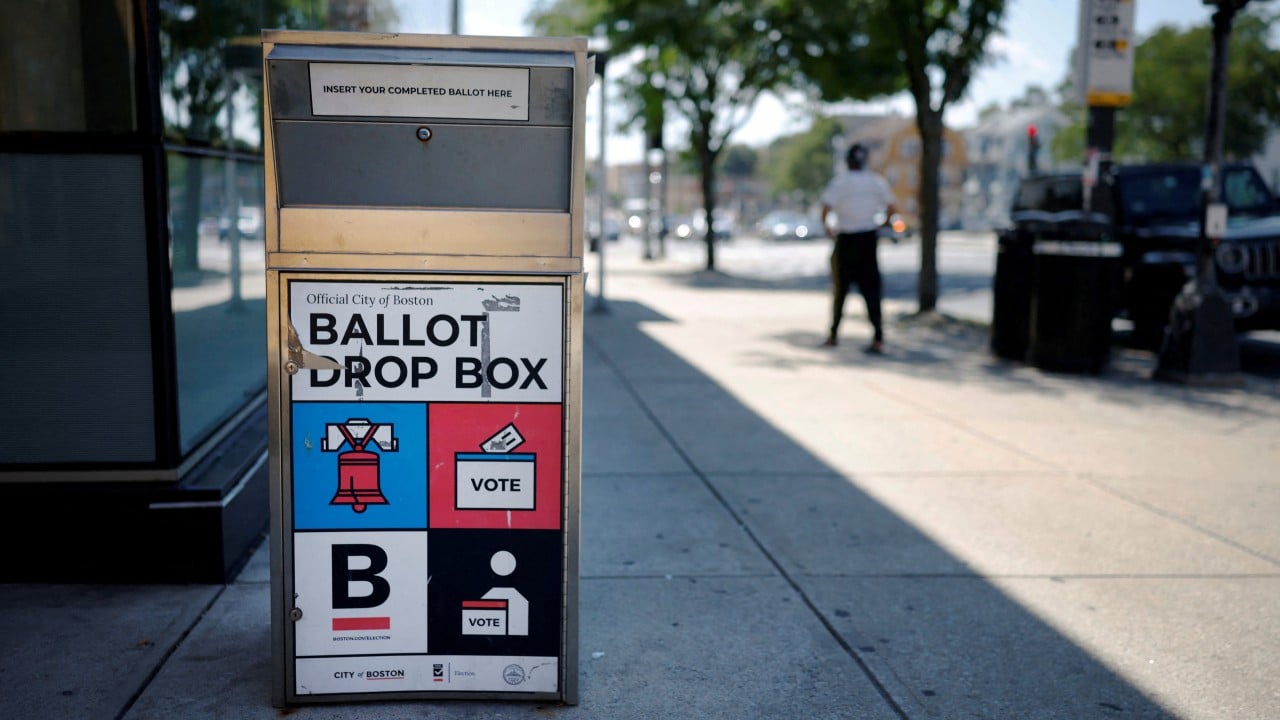
Panic sells. Every cycle, the media industrial complex dusts off the exact same playbook: new administrative tweaks to postal ballots are framed as an existential threat to democracy. The lazy consensus insists that every shift in postal voting timelines, signature verification thresholds, or drop-box restrictions spells inevitable chaos for the midterms.
It is a lazy, hysterical narrative built by people who have never run a logistics operation in their lives. Recently making waves lately: The Exile Frequency.
Let us look at the actual machinery. When rules change, friction happens. Friction is not a system failure; it is the natural byproduct of adaptation. For decades, I have watched political operatives hyperventilate over mail-in procedures as if every envelope were a ticking time bomb. The truth is much more mundane, and far more aggressive: postal voting rules do not break elections. They expose the bureaucratic incompetence that was already there.
The Myth of the Fragile Ballot Additional information into this topic are explored by NBC News.
The conventional argument claims that tighter deadlines and stricter ID requirements for mail-in ballots disenfranchise voters and paralyze election administration. This premise collapses under basic scrutiny.
Take signature matching. Critics cry foul, claiming local clerks are suddenly arbiters of handwriting analysis. But signature verification is not new. It has been standard operating procedure in vote-by-mail states like Oregon and Washington for decades. The error is not the rule itself; the error is expecting municipal governments to scale up complex verification protocols overnight without training staff.
When new rules take effect, they force a reckoning. Instead of treating postal ballots as an infinite, frictionless loophole, campaigns and parties must build actual ground operations. They have to chase ballots earlier. They have to educate voters on cure periods. They have to treat mail-in voting like the logistical marathon it actually is, rather than a passive afterthought handled by the postal service.
Why Friction Forces Competence
Imagine a scenario where every single mail-in ballot arrived instantly, unquestioned, and was processed with zero friction. It sounds utopian to the political naive. To anyone who understands security and systems design, it sounds like a nightmare scenario ripe for systemic abuse and administrative collapse.
Friction forces compliance. When states implement tighter windows for ballot requests or restrict drop boxes, political parties adapt or lose.
- Early Mobilization: Campaigns stop waiting for October surprise weeks and start harvesting votes in August.
- Voter Literacy: Grassroots organizations are forced to educate constituents on deadlines rather than relying on last-minute ad blitzes.
- Auditable Trails: Stricter rules create paper trails that are harder to dispute because every single step requires an explicit action.
The lazy narrative treats voters as helpless children who cannot comprehend a calendar. The reality is that voters are rational actors. Give them a tighter deadline, and they will adjust their behavior. They do it for tax filings, mortgage applications, and flight check-ins. They can do it for a ballot.
The Real Vulnerability Nobody Talks About
The obsession with postal rule changes is a distraction. The real systemic risk to midterm elections is not a shift in mail-in timelines. It is the hollowed-out state of local election offices.
For years, I have watched counties run their multi-million dollar democratic operations with software left over from the Bush administration and staff working out of damp basements. We spend billions on television ads telling people their vote matters, yet we penny-pinch on the actual infrastructure required to process those votes securely.
When new rules land on the desk of an underfunded county clerk who hasn't had a weekend off in a month, mistakes happen. Those mistakes get weaponized by cable news pundits into proof of a rigged system. It is a manufactured feedback loop.
Stop blaming the rules. Start funding the machinery.
The Uncomfortable Prescription
If you want to fix election administration, stop treating every administrative tweak as a constitutional crisis. Accept that rules will change, systems will strain, and the organizations that adapt fastest will win.
The whining about midterm disruption is just cover for lazy operational strategy. The fix is not returning to some mythical era of frictionless voting. The fix is treating elections like high-stakes operations that require modern logistics, rigorous training, and zero patience for administrative whining.
Adapt or lose. The envelope doesn't care about your feelings.


